
USAIN BOLT | FAST, FIERCE AND FOREVER JAMAICAN
USAIN BOLT | FAST, FIERCE AND FOREVER JAMAICAN
To the world, he’s a record-breaking sprinter. To the Caribbean, he’s something more: a symbol of joy, authenticity and what’s possible when you run not just for glory, but for home.
Words by Natasha Were.
For the boy who grew up poor in rural Jamaica and went on to become one of the world’s greatest athletes, life has changed beyond anything he could have imagined. But Usain Bolt’s story is not merely one of rags-to-riches sporting success. In May 2025, he was appointed the Global Ambassador for Tourism in Jamaica, officially recognising his tireless dedication to championing his country and his people.
King of Kingston
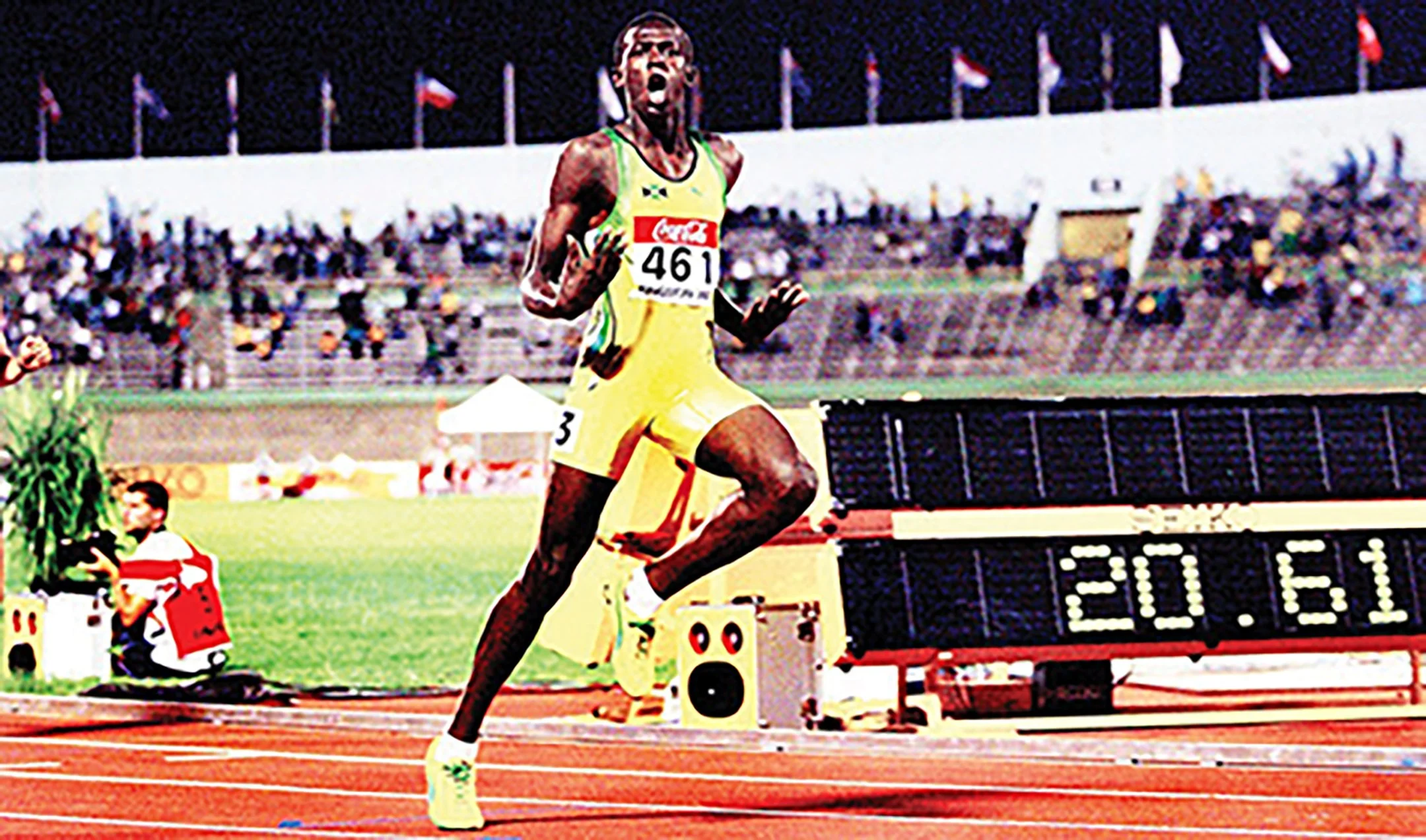
When asked about the proudest moment of his athletics career, Bolt doesn’t talk about Beijing, or London, or Rio. He recalls the World Junior Championships back in 2002 which were held in Kingston that year. Aged 15 and a complete unknown, he was so nervous he put his shoes on the wrong feet. But then he ran – like lightning – to become the youngest ever 200m champion.
For Bolt, that race wasn’t so much about the victory as it was about doing it in front of his home crowd, hearing them chant his name, then roar as he crossed the finish line. His pride in representing his country – and having his people support him in return – has been the driving force behind everything he has done since that first major race.
Fuelled by Failure
Although blessed with speed, swagger and a spectacularly apt surname, it wasn’t an effortless cruise to the top from there. Two years later, the lanky teen strutted into the Athens Olympics, all raw talent and sky-high ambition. But pride, as they say, comes before a fall and he didn’t even make it through the first round of heats.
It was a brutal wake-up call for the athlete who had taken a decidedly casual approach to training up until then. At that level, innate ability, he quickly learned, will only get you so far.
“When you’re competing at a professional level, everyone has natural talent,” he reflects. “So when you’re up against peers who train year-round, it’s the one who works the hardest who gets to the top.”
That loss drove home a painful truth: if he wanted to succeed, talent alone wouldn’t cut it – he had to train like it mattered.
No pretence: Usain, unfiltered
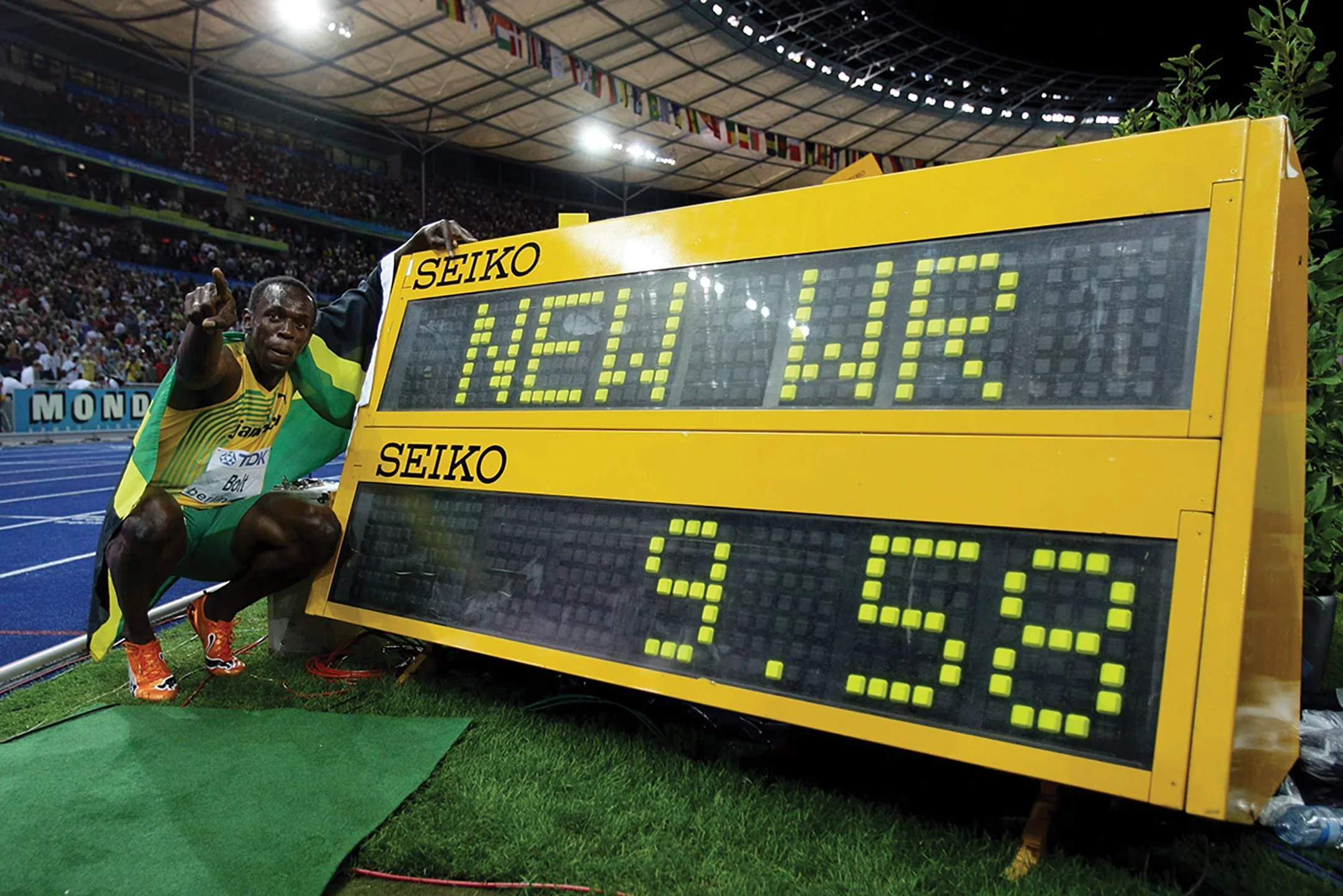
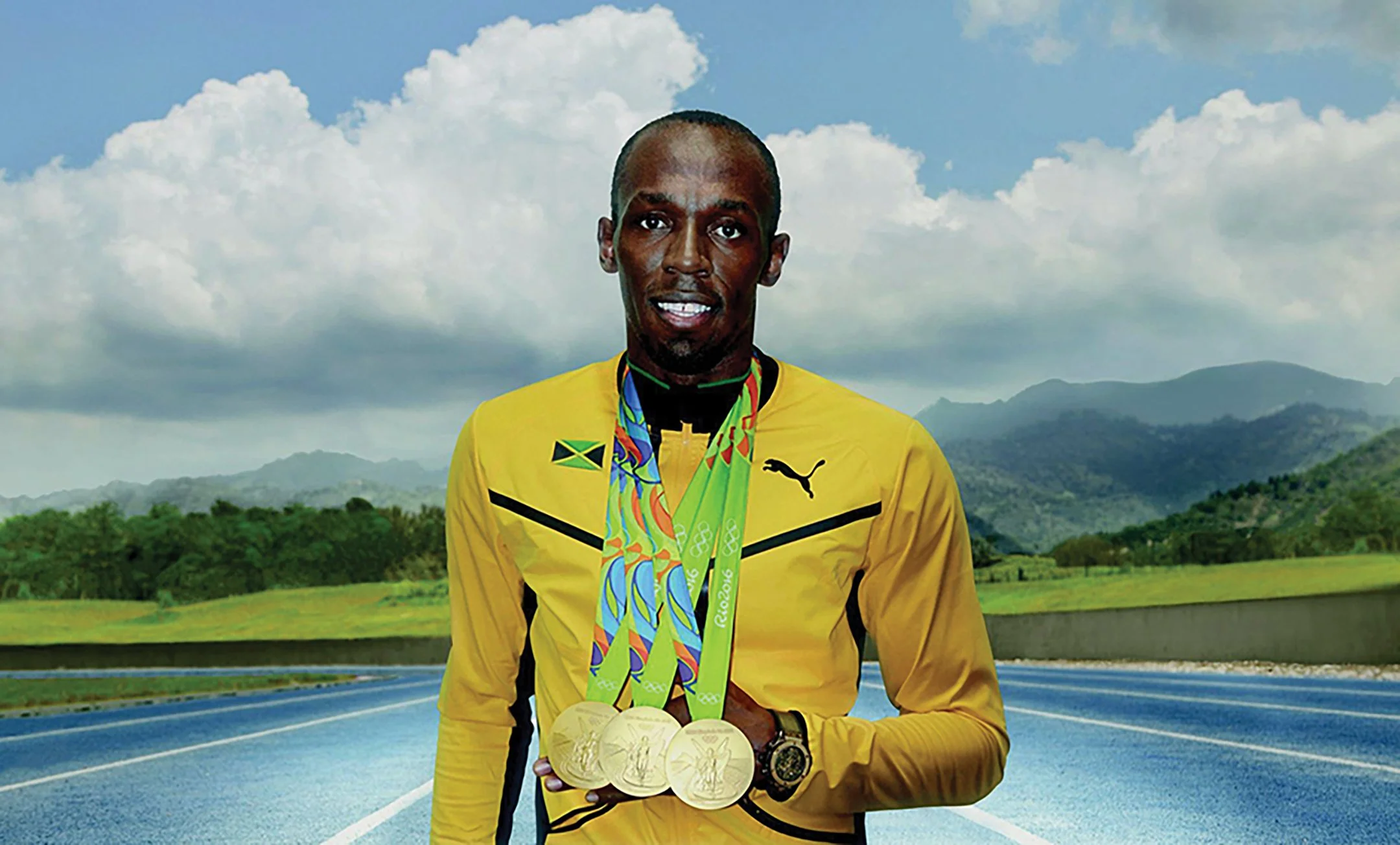
Once he committed fully to his training, Bolt’s prowess on the track was astounding. Between 2008 and 2016 he amassed nine Olympic gold medals and his record time in the 100m and 200m sprint has yet to be broken. But in addition to his spectacular speed, it was his natural charisma that made him stand out.
While other sprinters crouched, tense and focused before the start of a race, Bolt would be utterly relaxed, looking like he was just having a bit of fun. And as he shot across the finish line, grinning and pulling his signature lightning pose, he brought a lightness to a sport that had become almost clinical, measured in milliseconds and drug tests. He was a breath of fresh air and a powerful reminder of the simple joy of running fast and free.
On and off the track, Bolt has always been genuinely, unapologetically himself. Whereas other athletes appear to live almost monastic lives, Bolt never made any secret of his weakness for chicken nuggets and his grandma’s yams, or the fact that he found training gruelling and repetitive. And while the press frequently made a meal of his penchant for parties and late nights, his coach, Glen Mills actually endorsed it. He realised that for Bolt, a good night out wasn’t detrimental – it was essential to allow him to let off steam. To those who question the wisdom of his late night antics, the sprinter shrugs it off easily. That’s just life in Jamaica.
Building a Legend
The easy smile and relaxed demeanour belie a steely mindset, however, because as any elite athlete will tell you, winning takes mental as well as physical strength.
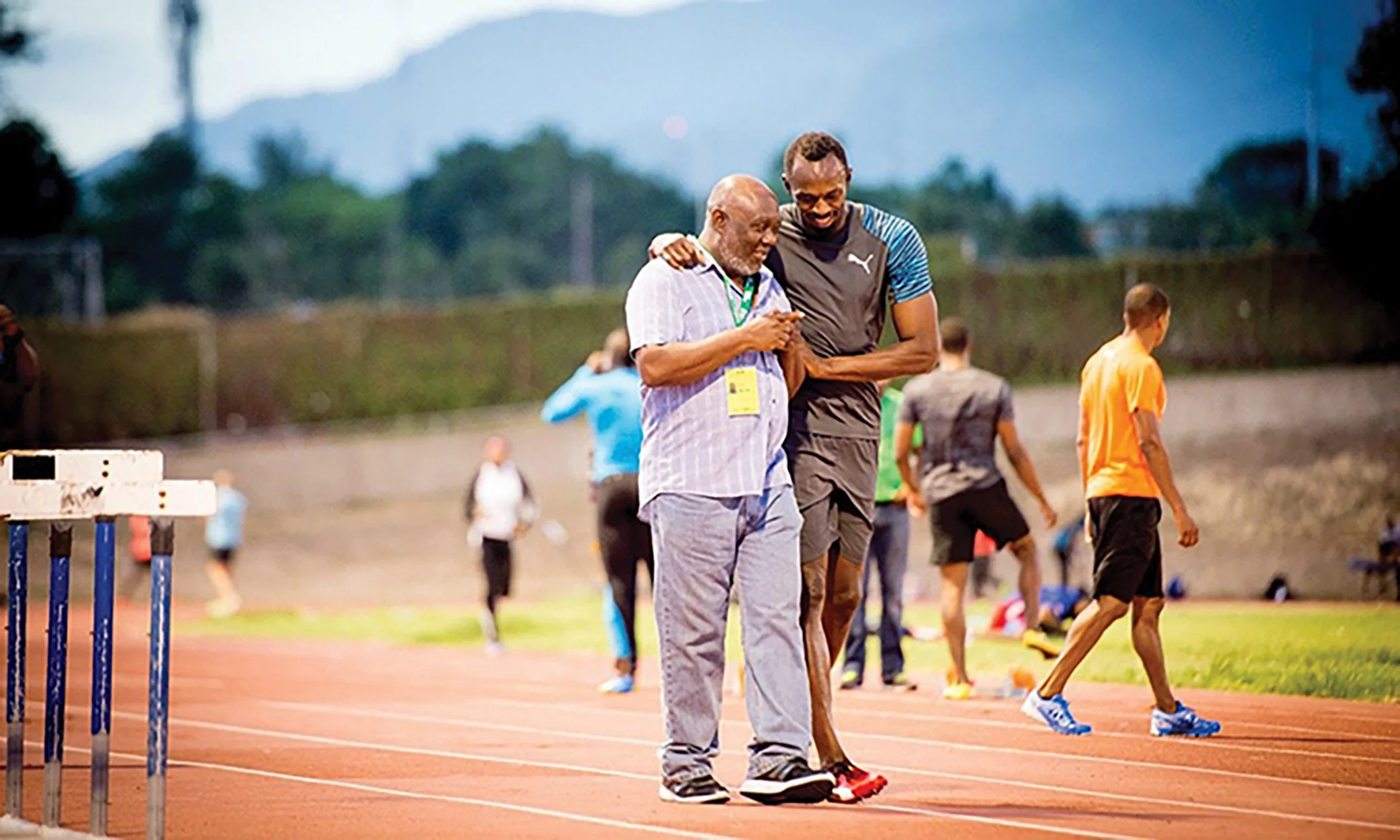
One of the most important lessons he learned, thanks to Coach Glen Mills, was this: that you have to learn to lose before you can win.
“At some point,” the world’s fastest man explains, “you will lose, and when that happens you have to be honest and ask yourself why you lost. You have to analyse your performance and identify what you could have done differently. It is only when you learn to look at the loss and improve on the details, that you set yourself up to win.”
Being crystal clear about what you are aiming for is also crucial. While to the casual observer Bolt may have appeared to simply sweep into the sprinting world and win every race going, it was all part of his strategy.
“If you want to be great – a legend – you have to do something no one else has done before. So I set myself a goal of winning three Olympics back-to-back,” he says. “When I achieved that, that was it for me. I always said that was when I would stop.”
Jamaica First
While he retired from athletics in 2017, Bolt hasn’t retreated from the spotlight. But he has changed lanes. Freed from the rigours of training, he has been able to indulge some of his many other passions, from business ventures to philanthropy, always with Jamaica at the centre.
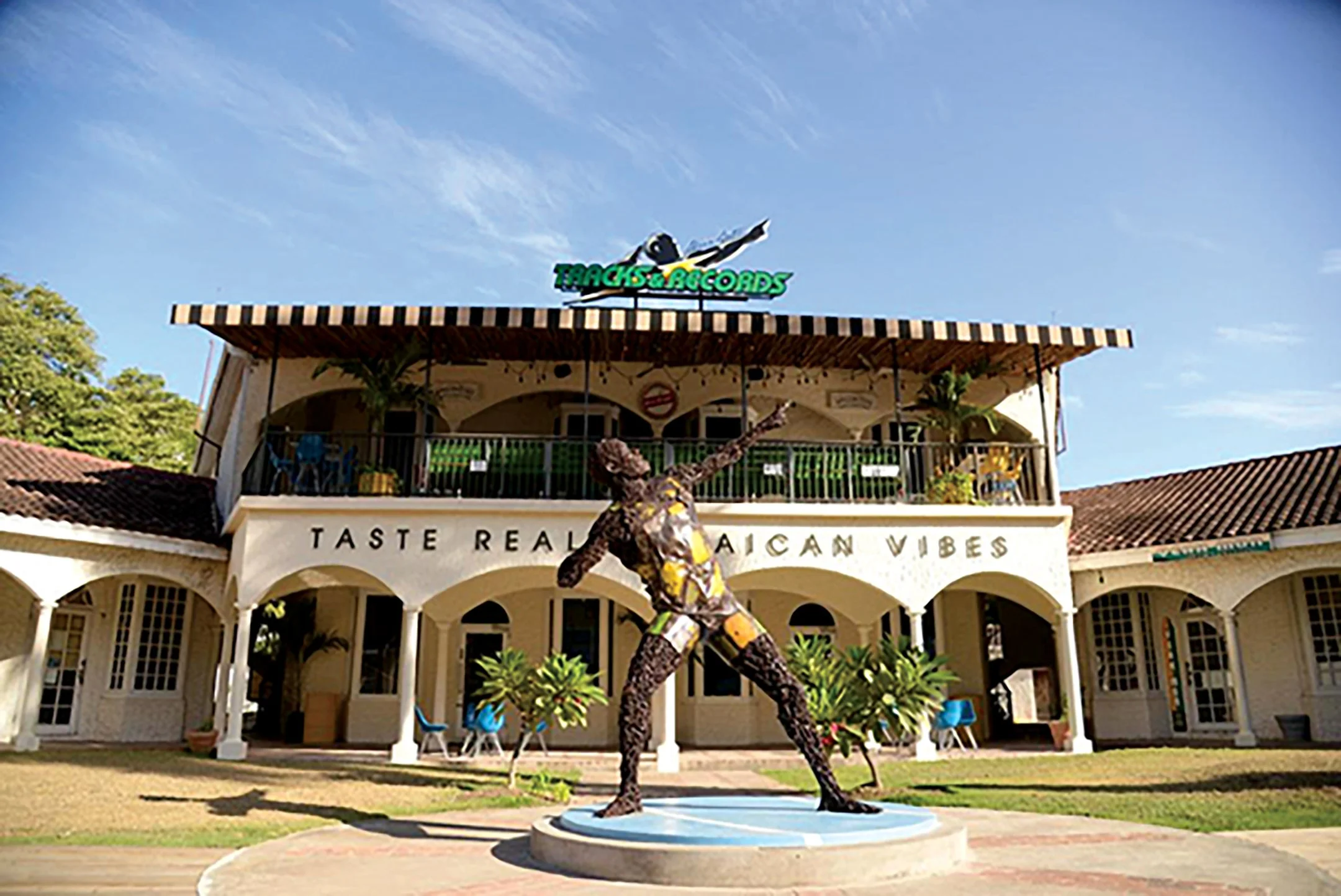
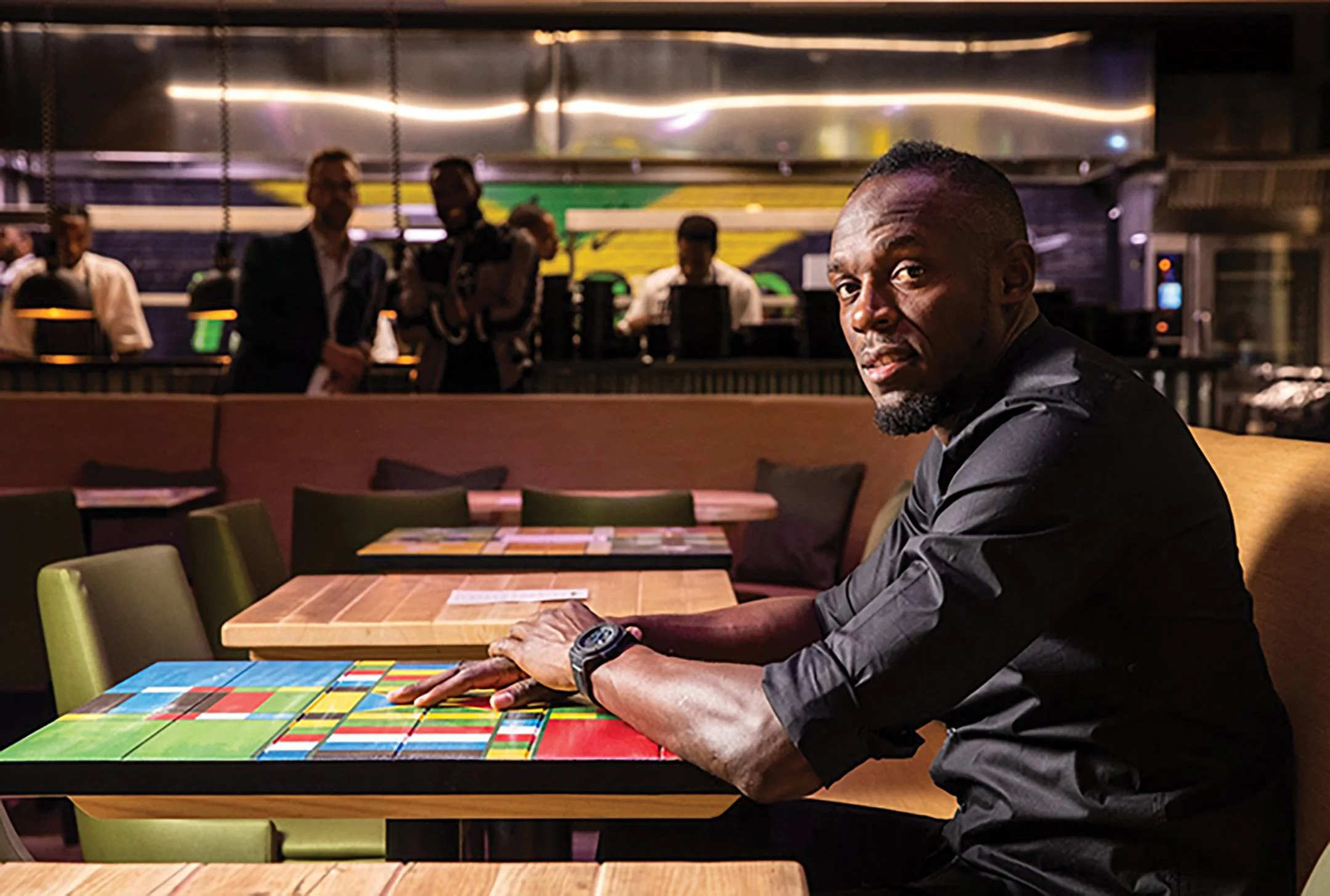
His Tracks & Records restaurant chain celebrates Jamaican cuisine and culture in stylish venues designed to attract an international clientele. His contract with Puma remains one of the longest-running in sports history – but it includes a signature clause: all advertisements featuring Bolt must be filmed in Jamaica, by Jamaican crews.
Music runs in his veins, as it does for any true Jamaican and in 2019 he founded his own record label 9.58 Records (named after his 100m record time) with the explicit aim of nurturing local emerging and established talent. In addition to producing various dancehall EPs featuring Jamaican artists, he has also produced his own album, Country Yutes, a mix of reggae, dancehall, afrobeats and ballads.
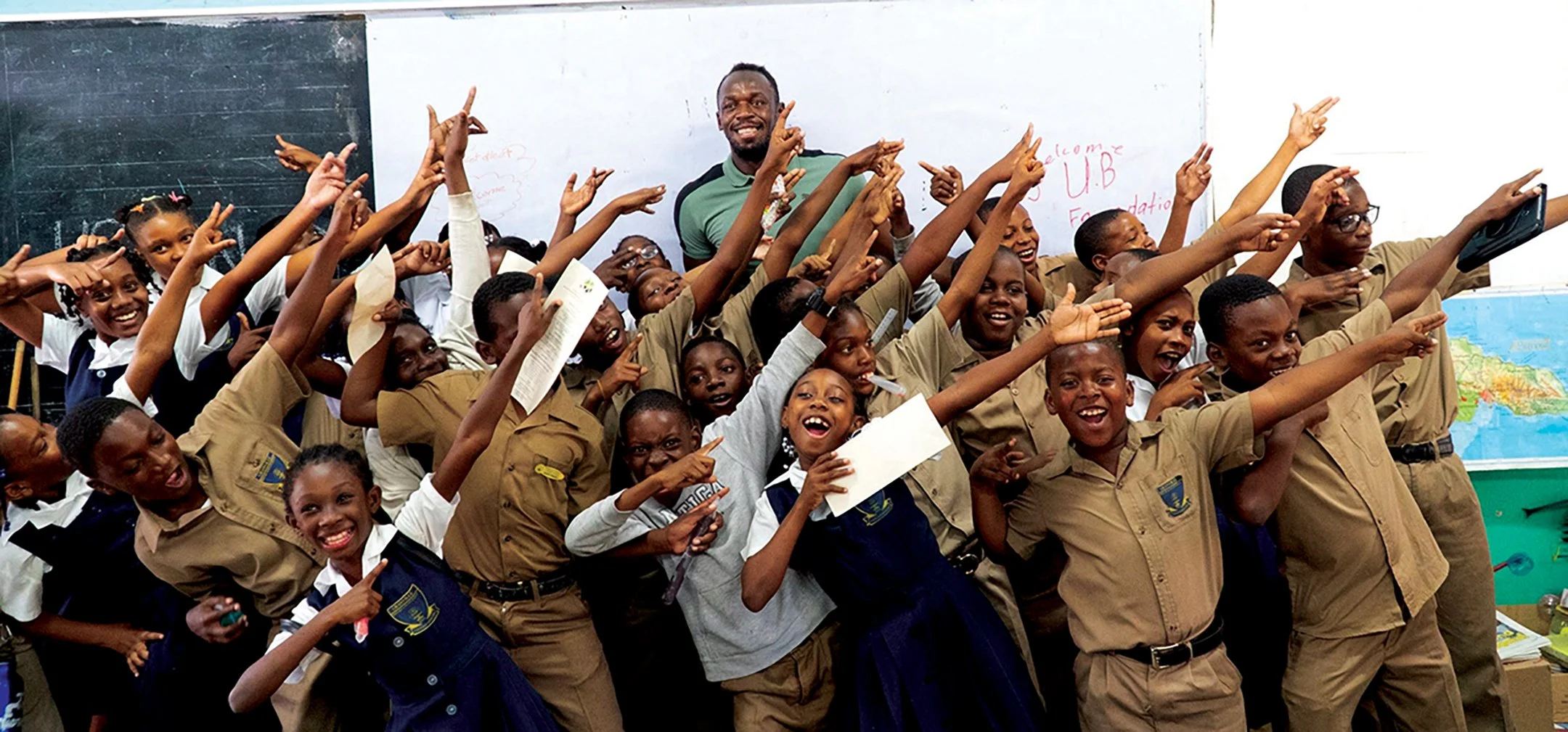
Yet it is the Usain Bolt Foundation, founded in 2010, that is the ultimate expression of his dedication to his homeland. Focused on education and youth development through sport, in 2025 alone, the Foundation contributed over JMD6 million to support young athletes competing in the ISSA athletics championships, ensuring that raw talent isn’t squandered for lack of opportunity or resources.
The Foundation’s support extends well beyond sports and has included the donation of 150 laptops to rural schools during the pandemic and community development, especially in his hometown of Sherwood Content, where it has helped to bring electricity, sewage systems, running water and a community centre to the town. Through both his appointment as Global Ambassador for Tourism and his Foundation, Bolt is ensuring his legacy will be more than his athletic and entrepreneurial achievements: it will be a host of opportunities created for others.
Joy, the Ultimate Export
Although he has raced in front of crowds of tens of thousands, signed multi-million dollar endorsement deals and been celebrated around the world, for Usain Bolt, Jamaica is, and always will be, home. Being around friends and family, shooting the breeze and playing dominoes, he says, is the happiest he will ever be. His new role as tourism ambassador isn’t a job – it’s simply making official what he has always done: showing the world that Jamaica’s greatest export isn’t rum or reggae, but joy itself.