THE VALUE OF SHARED SPACE: ENGINEERING COMMUNITY IN CAYMAN
THE VALUE OF SHARED SPACE: ENGINEERING COMMUNITY IN CAYMAN
FOR MORE INFORMATION ON REED CONSULTING ENGINEERS AND THEIR PROJECTS, CLICK: www.reedconsultingengineers.com
Cayman is changing, not just in what is being built, but in how the islands are experienced. Beyond new homes, hotels and developments, a different transformation is taking place. Increasingly, investment is shifting towards the spaces between buildings: the parks, waterfronts and civic areas that shape how people live, gather and connect.
These are largely government-led strategic investments. They are not driven by individual ownership, but by collective value. They are redefining what it means to build well in Cayman. Because the measure of a place is no longer simply what you own; it is also the shared spaces you have access to.
FROM BUILDINGS TO PLACES
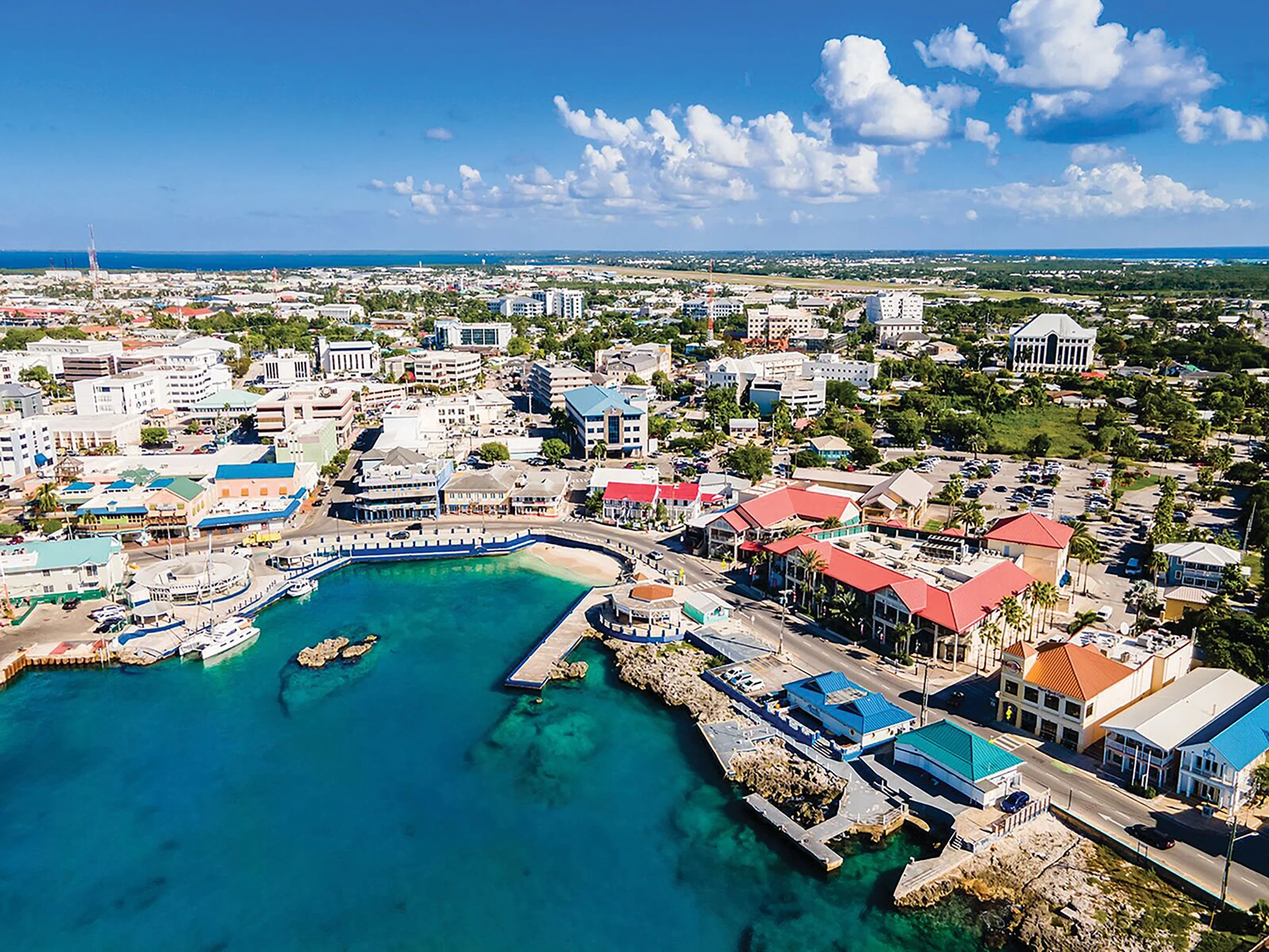
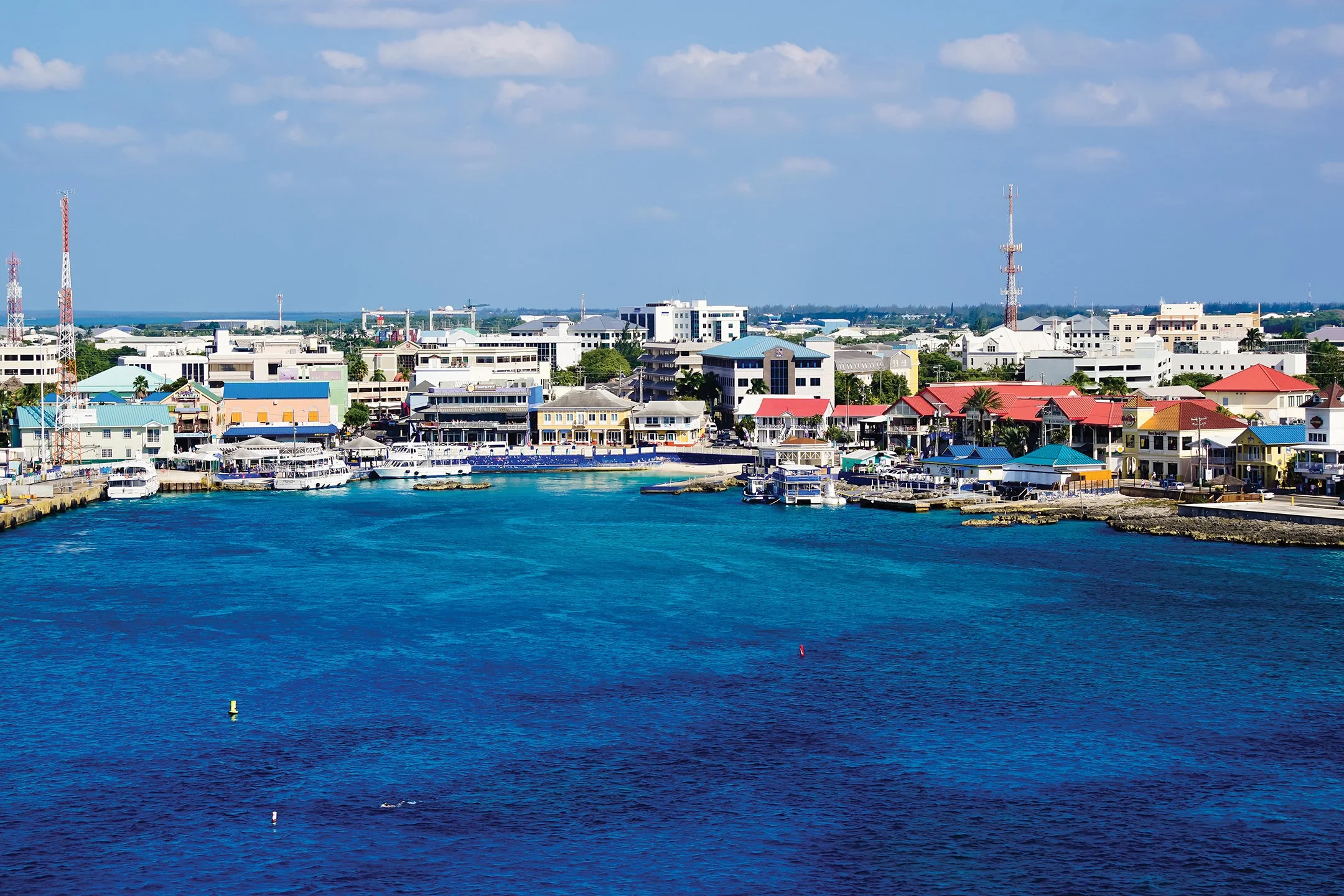
For many years, development in Cayman has been largely site-focused: individual plots, individual buildings and individual outcomes. What is emerging now is something more integrated. The revitalisation of George Town shows the promise of this vision, and the future should continue to lean in this direction. Rather than continued urban sprawl, the city centre can become increasingly appealing as a place to live, supporting local businesses and everyday activity.
This is not an aesthetic shift; it is a functional one. It is about creating a capital that works not just for business or tourism, but for everyday life.
This shift also enables a different development pattern. As public spaces become more usable, resilient and attractive, development set back from the immediate waterfront becomes more viable and desirable. Value is no longer tied solely to frontage, but to access to parks, walkability and shared infrastructure that supports daily life.
At present, the cost of construction often drives development towards high-rise waterfront units that are out of reach for much of the population. By contrast, making inland areas more liveable and connected has the potential to rebalance this dynamic, opening up more accessible forms of housing and reducing pressure on the coastline.
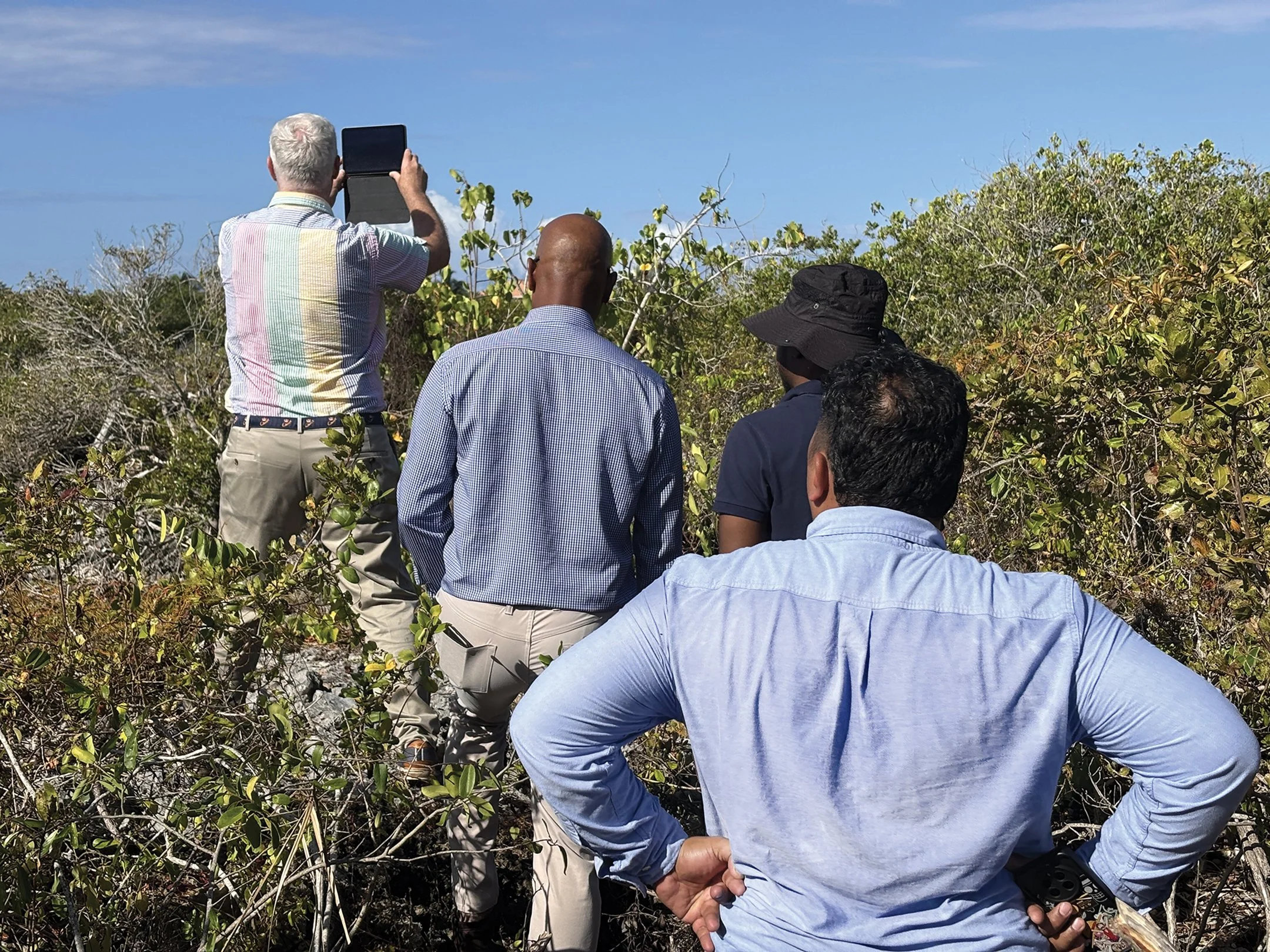
Delivering that shift, however, is complex. The real challenge lies in execution. This hinges on involved engineering throughout the whole lifecycle: pre-design, detailed surveys, stakeholder engagement, construction administration and closeout, all of which are essential to delivering successfully in live, constrained urban environments. Reed Consulting Engineers has been actively involved in coordinating infrastructure in these contexts, where existing utilities, drainage systems, road networks and adjacent properties must be resolved within tight constraints and with minimal tolerance for disruption.
PARKS THAT WORK
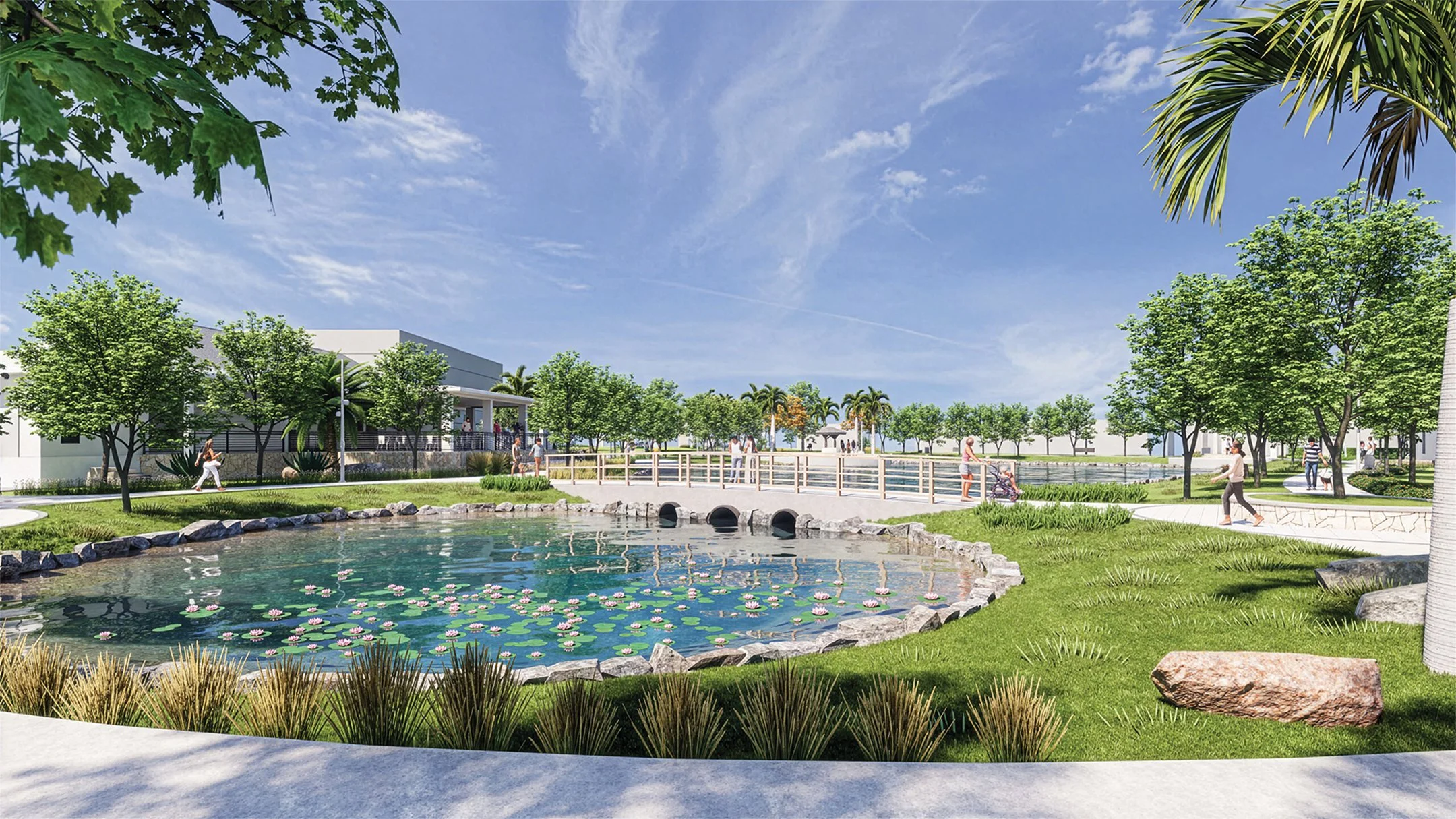
Projects such as Central Scranton Park illustrate this shift at a more local scale. What was once an underutilised site is being reshaped into a structured, multi-functional public space, one that accommodates recreation, community use and everyday gathering.
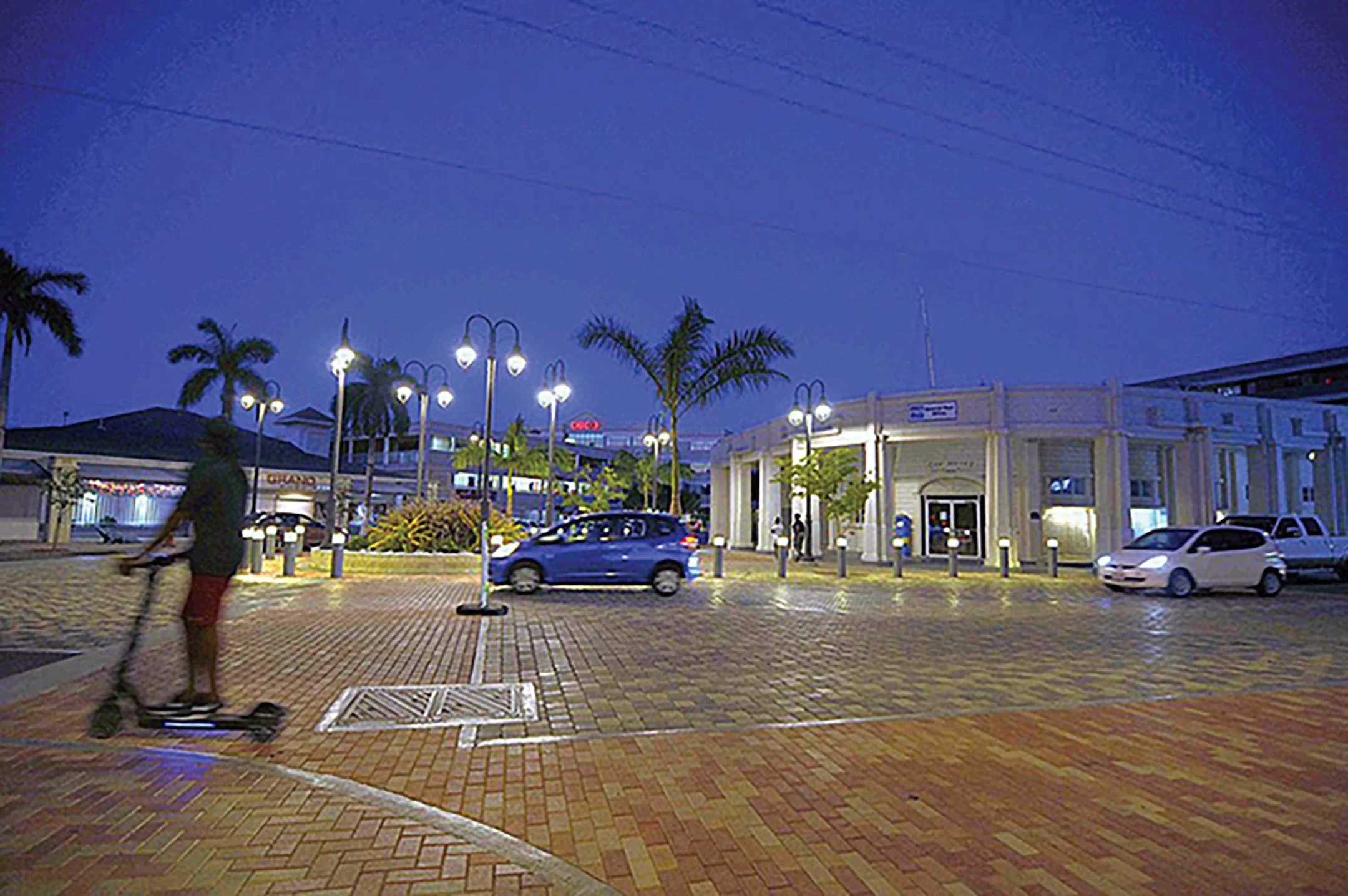
What appears, on the surface, to be an open space is, in reality, a coordinated engineering system. Drainage infrastructure manages intense rainfall. Electrical and lighting systems support safety, usability and nighttime activation. Irrigation and water services sustain landscaping in a demanding climate. Structural and material decisions account for durability, maintenance and long-term performance.
These systems are largely unseen, but they determine whether the space performs. Reed Consulting Engineers’ involvement in projects such as Central Scranton Park reflects this approach, where multidisciplinary coordination underpins usability and resilience.
The same applies across the islands, from beach access improvements to spaces like Watering Place in Cayman Brac. These are, at their core, community projects designed to bring people together across income levels, uses and daily routines.
THE RISE OF SHARED LIVING
At the same time, a parallel shift is taking place within private developments.
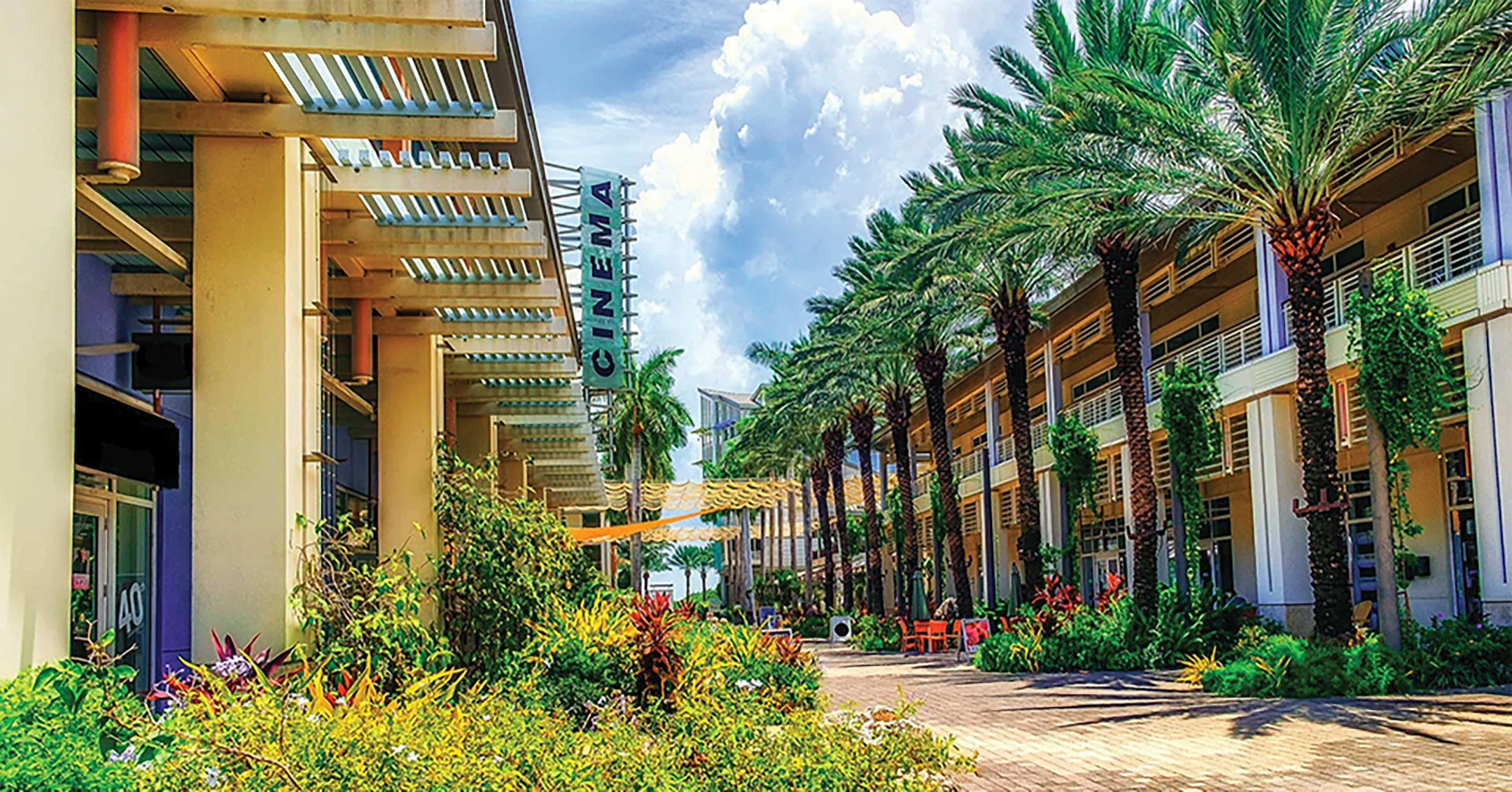
Higher-density, mixed-use developments that combine residential, hospitality and commercial uses are emerging in George Town, often set back from the immediate waterfront. These developments introduce a model of living defined not only by private space, but by shared amenities and stronger integration with the surrounding city.
This model supports a broader mix of housing – high-end, mid-market and more attainable options – within a single cohesive environment, if well executed. In doing so, it reflects a more balanced approach to growth, one that supports social cohesion and collaboration between all walks of life in the community.
Well-integrated mixed-use environments also have practical benefits. By reducing the need to travel between disconnected zones, they can ease traffic pressures and support more efficient use of infrastructure. Government initiatives, including the strategic use of public land and ongoing zoning reviews, continue to play an important role in enabling this transition.
ENGINEERING THE INVISIBLE
What connects all these projects, public and private, is that their success depends on the systems that cannot be seen.
Stormwater systems that prevent flooding. Safe and flexible electrical and lighting systems. Water, irrigation and mechanical systems that sustain both landscape and residents. Structural solutions that withstand coastal and environmental forces.
In a small island context, these decisions carry disproportionate impact. Good engineering, in this context, is invisible. And it is felt only in the absence of failure.
A DIFFERENT MEASURE OF VALUE
As Cayman continues to grow, the relationship between public investment and private development is tightening. Government-led projects are establishing the framework within which communities grow, while private developments are increasingly shaped by, and dependent on, that foundation.
The result is a more connected approach to building with meaningful social impact.
THE REAL LUXURY
There is a tendency to associate luxury with privacy, with what lies beyond gates, walls or property lines. But increasingly, the most valuable spaces in Cayman are the ones that are open: accessible waterfronts, parks that hold up after heavy rain and a town centre that supports life beyond working hours.
These are the spaces that define daily experience. They are engineered, coordinated and delivered through projects that bring people together.
This represents a broader shift towards a more liveable, sustainable and resilient Cayman. One that acknowledges a growing population and responds to the pressures that growth creates in a considered and integrated way.
FOR MORE INFORMATION ON REED CONSULTING ENGINEERS AND THEIR PROJECTS, CLICK: www.reedconsultingengineers.com