CARIBBEAN BRANDED RESIDENCES: WHY BUYERS, DEVELOPERS AND BRANDS ALL WIN
REAL REPORT | CARIBBEAN BRANDED RESIDENCES: WHY BUYERS, DEVELOPERS AND BRANDS ALL WIN
Words by Fleur Peck, Managing Director, Blue Point Consultants Ltd., www.bluepointproperty.com
The world’s wealthiest have never been more mobile. According to the Henley & Partners Private Wealth Migration Report and Knight Frank Wealth Report 2025, approximately 142,000 millionaires relocated internationally last year, representing the largest recorded movement of private wealth to date. Over the same period, the global population of ultra high net worth individuals grew by 9.3%, pointing to continued cross border capital flows in the years ahead.
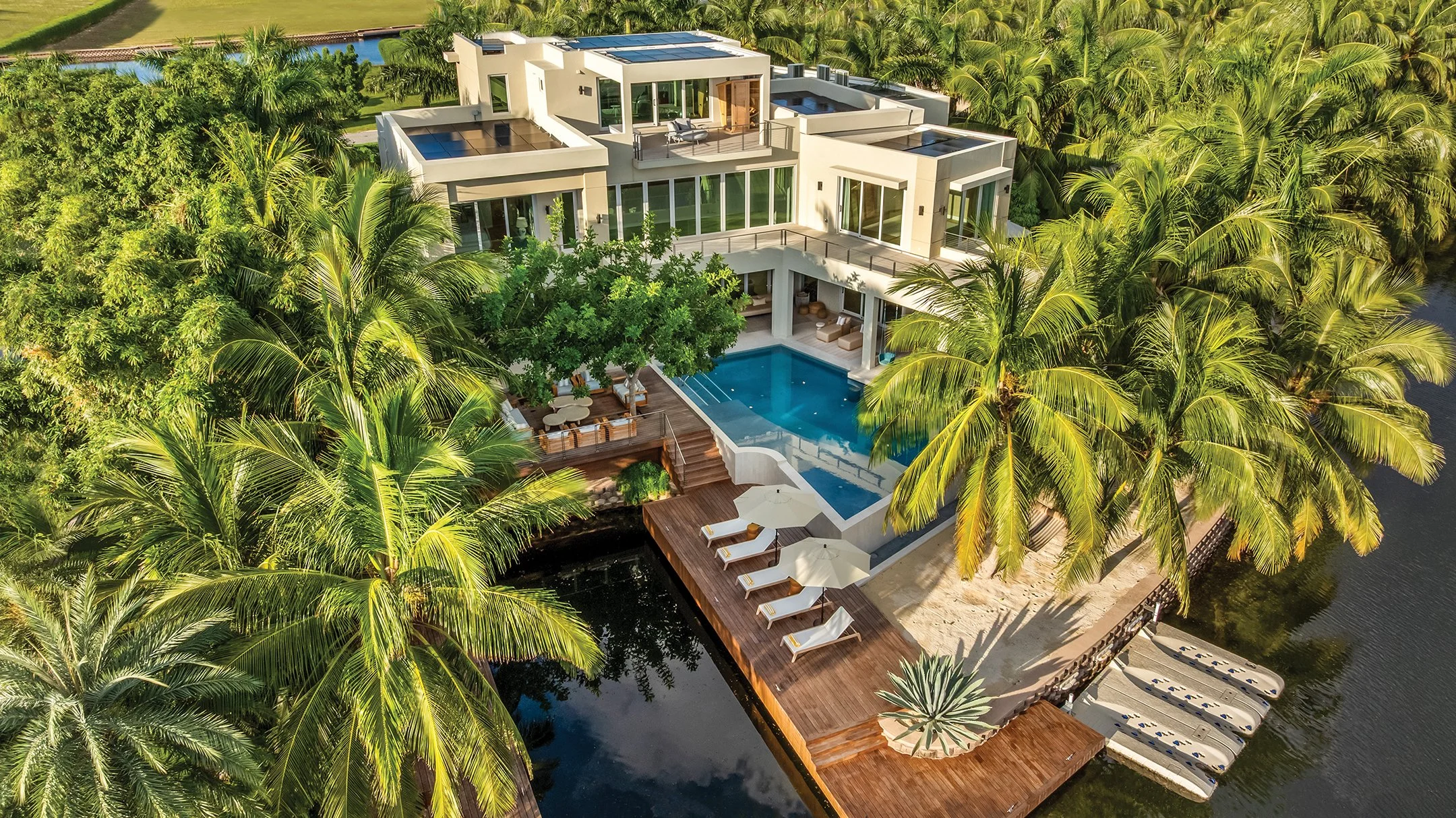
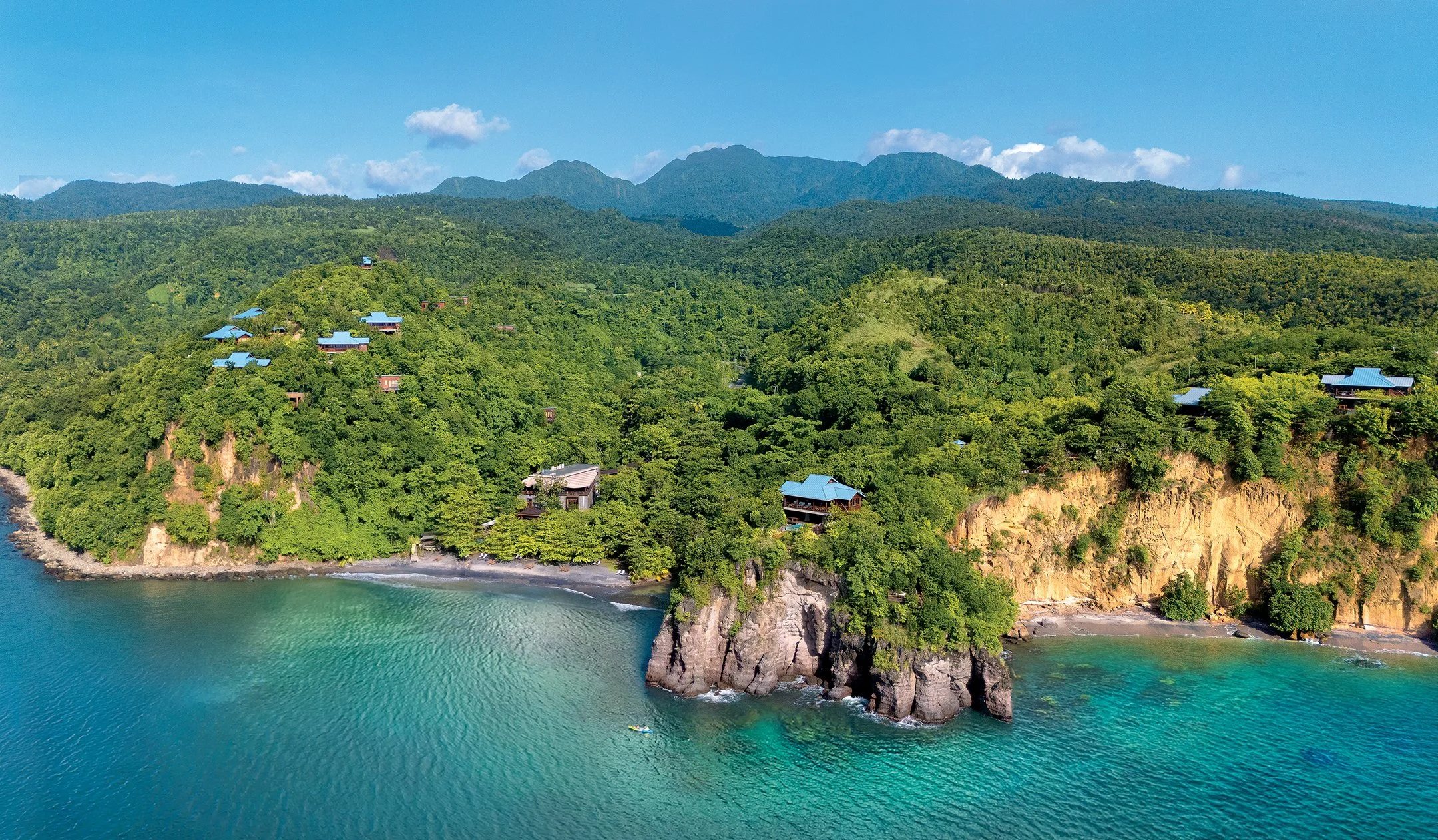
This increasingly mobile global elite, often holding multiple residences across jurisdictions, is driving demand for branded residences, defined as residential developments delivered in partnership with established hospitality or lifestyle brands. Over the past decade, this segment of the global luxury real estate market has grown by well over 150%. While the United States, Dubai, Mexico and Thailand remain established centres, the Caribbean is emerging as a market of growing significance. In 2025, there were 26 branded residences across the region, with projections indicating substantial expansion by 2030.
The appeal of this sector is frequently attributed to its alignment of interests, creating clear advantages for buyers, developers and brands alike.
For buyers, particularly those acquiring a second or third home in an unfamiliar jurisdiction, the appeal centres on trust and ease of ownership. Brand affiliation provides reassurance around build quality, service standards and long term management, reducing perceived risk both at acquisition and throughout ownership
This is reinforced by a fully serviced, turnkey model that typically includes property management, access to hotel style amenities and optional rental programmes. In the Caribbean, branded residences have regularly achieved rental yields in the region of 5-8% annually, depending on location and operator.
Branded residences also command a measurable pricing advantage. Premiums of 10-30% over comparable non branded properties are widely observed, with that uplift often sustained at resale, reflecting both product quality and brand equity.
For developers operating in an increasingly competitive and cost-conscious environment, branded residential projects offer both differentiation and a degree of risk mitigation. The association with a recognised brand enhances market positioning while supporting stronger buyer demand and pricing resilience.
Critically, the model facilitates earlier and more robust pre sales, generating upfront cash flow and providing tangible validation of demand. In a financing environment where lenders are more selective, this can materially improve access to capital and reduce reliance on debt. As a result, branded residential schemes are often better positioned to secure funding than standalone residential or hotel developments.
For global hospitality groups – and increasingly for brands in fashion, jewellery and automotive sectors – branded residences present a compelling route to expansion without the need for direct real estate ownership or significant capital deployment.
In addition to upfront licensing and branding fees, operators benefit from long term management agreements, creating recurring revenue streams tied to both service provision and ongoing operations.
In a market defined by mobile wealth and increasingly selective capital, branded residences align the interests of buyers, developers and brands in a way that supports both demand and delivery. For the Caribbean, still in the early stages of this growth cycle, the opportunity lies
in how effectively that alignment is maintained as the sector evolves.
To learn more, visit www.bluepointproperty.com