
OUTDOORS | WALK THIS WAY
CAYMAN ISLANDS
OUTDOORS | WALK THIS WAY | CAYMAN ISLANDS
Words by Hannah Reid, www.bushgirlmedicine.com
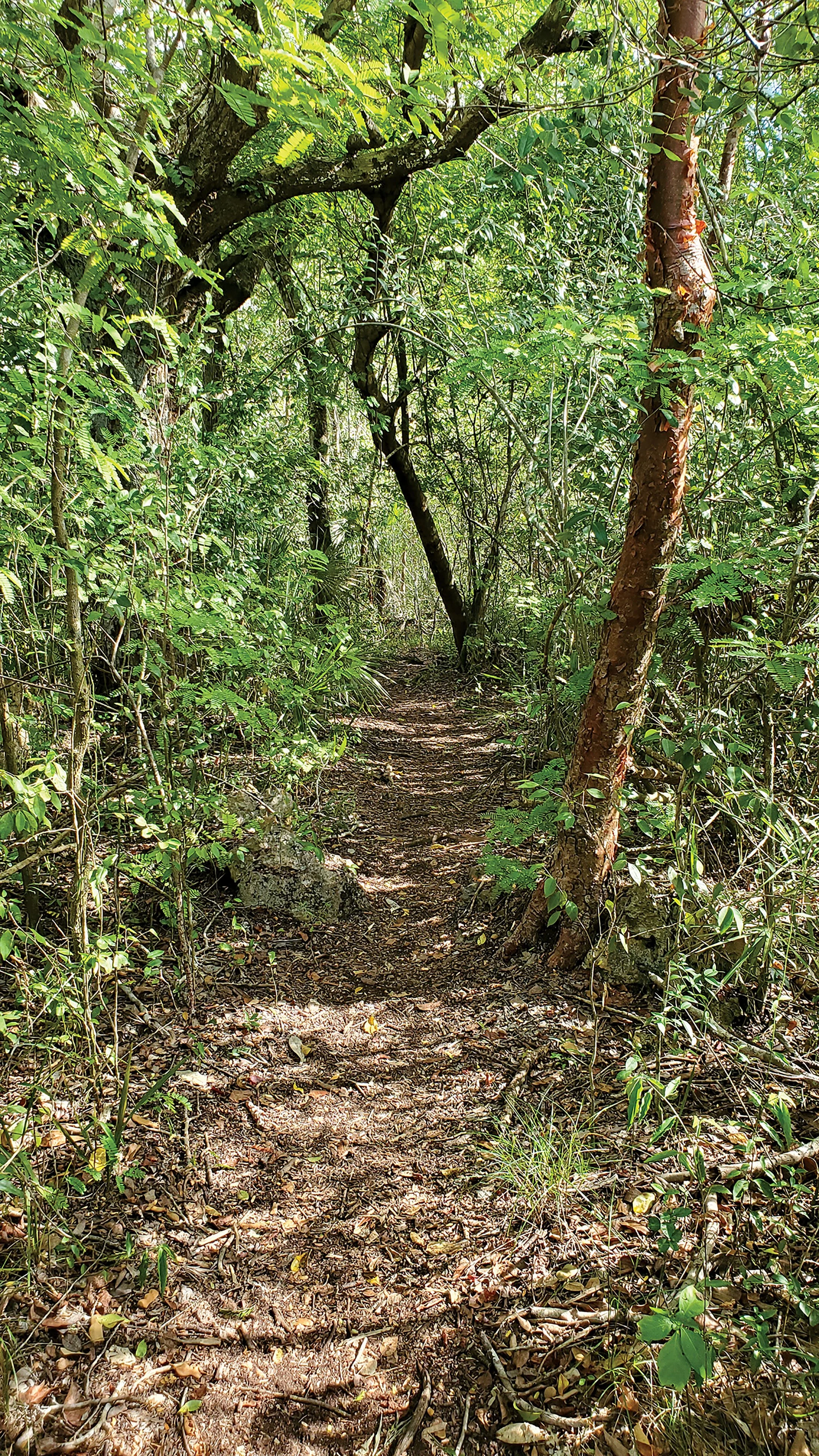
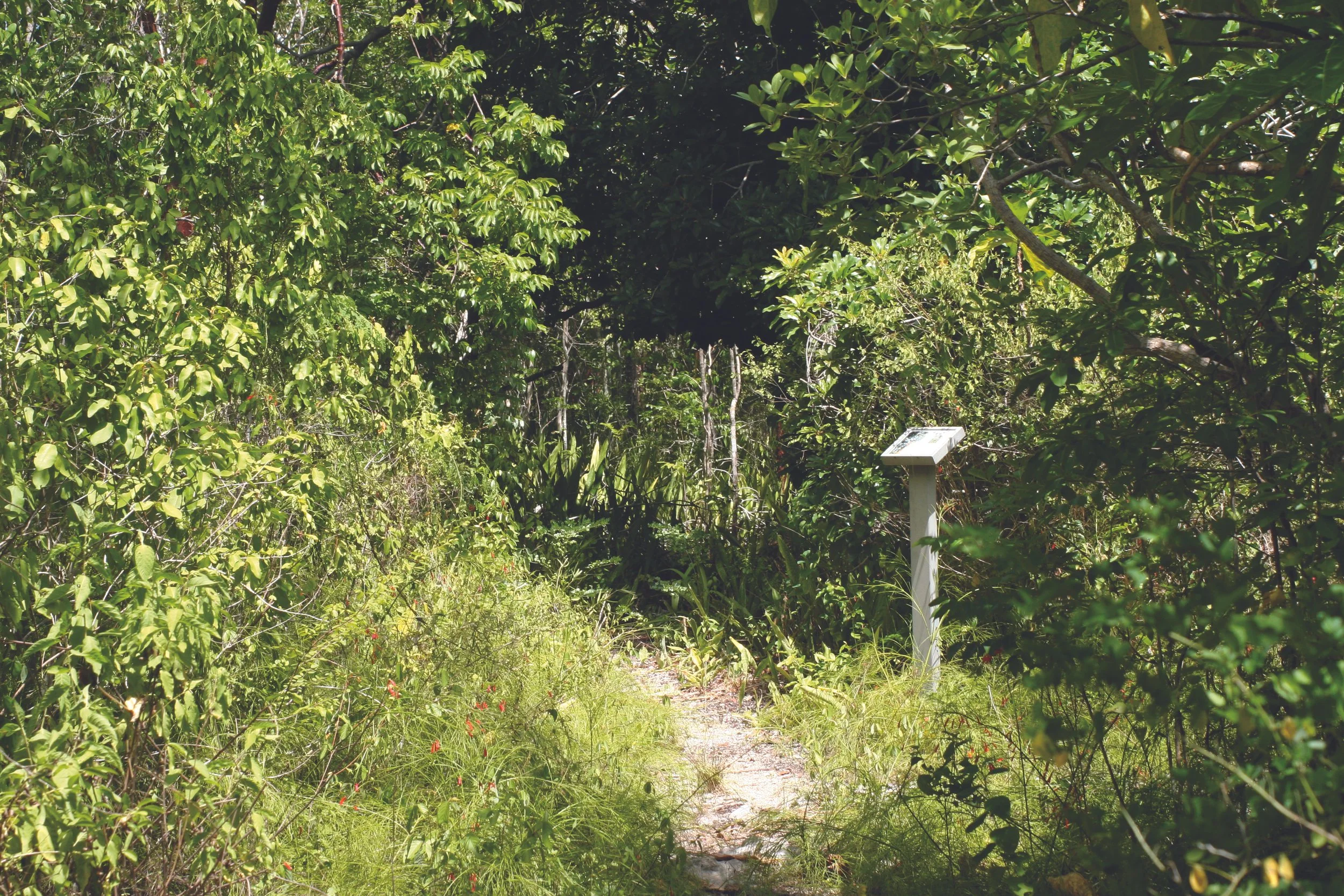
For me, hiking the Mastic Trail never gets old. A historic walking trail in Grand Cayman that connects Frank Sound to North Side, the Mastic Trail meanders through mangrove wetlands, rocky forests and grassy farmlands. I feel as though I have never walked the same trail twice – there is always something new to discover along the way. From migratory birds to endangered reptiles, the animals you may encounter vary with the seasons. So do the plants, a new part of the trail bursting into flower or fruit each time you visit.
Traversing ancient forests and wind-swept coastlines, the Cayman Islands is home to many such hiking trails and walking paths. Each offers unique glimpses into Cayman’s rich cultural history and incredible biodiversity.
Cayman’s trails are not just places to stretch your legs – they offer an opportunity to slow down, look closer and step into a deeper relationship with the natural beauty and cultural heritage of our islands.
MASTIC TRAIL, GRAND CAYMAN | LENGTH: 2.3 MILES ONE WAY
The historic Mastic Trail is a must-do for residents and visitors alike. Connecting a rich tapestry of habitats, it is a cultural landmark with a storied history that dates back well over a century. When you walk the Mastic Trail, you are walking in the footsteps of previous generations of Caymanians who relied on this path in the days before Cayman had many roads, much less cars!
Restored and officially reopened in 1995, a good portion of the trail is protected and maintained by the National Trust for the Cayman Islands which also offers guided tours.
Climbing to around 18 metres above sea level, the trail gets its name from the Mastic tree – specifically the Yellow Mastic (Sideroxylon foetidissimum). Once abundant, its wood was used in construction, shipbuilding and making furniture. But today, Yellow Mastic is critically endangered and one of the highlights of the trail is a towering example of this beautiful tree.
BARKERS NATIONAL PARK, GRAND CAYMAN | LENGTH: 1.2–2.5 MILES
Although you can opt to drive a car or ATV along the many dyke roads in Barkers National Park, exploring on foot gives you the opportunity to get up close and personal with some truly unique habitats and species.
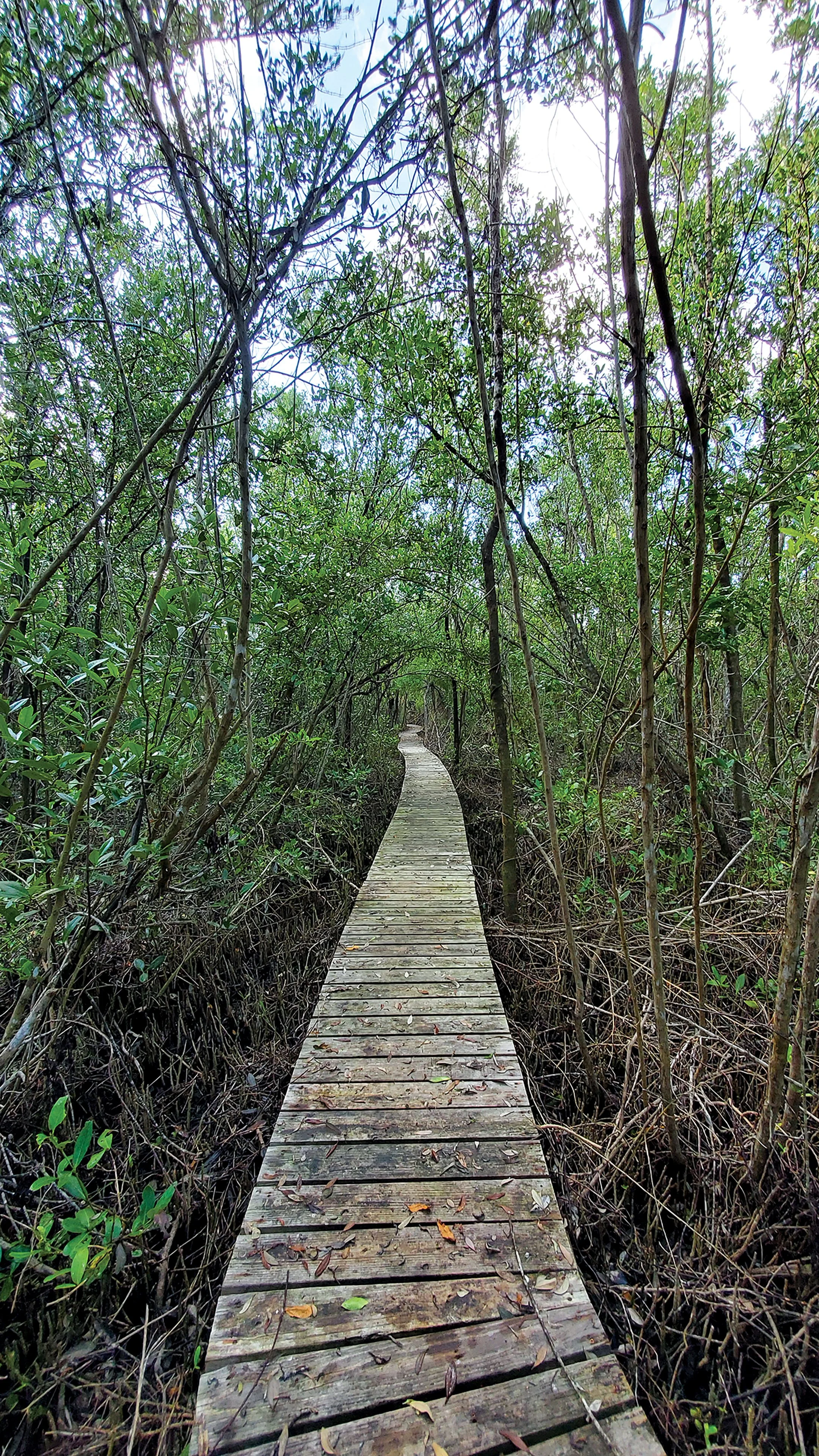
Mainly characterised by mangrove wetlands, there are portions of Barkers that include trees like Bitter Plum (Picrodendron baccatum) and Mahogany (Swietenia mahagoni) once used in shipbuilding, and the aptly-named Washwood (Jacquinia keyensis) which was used for washing clothes.
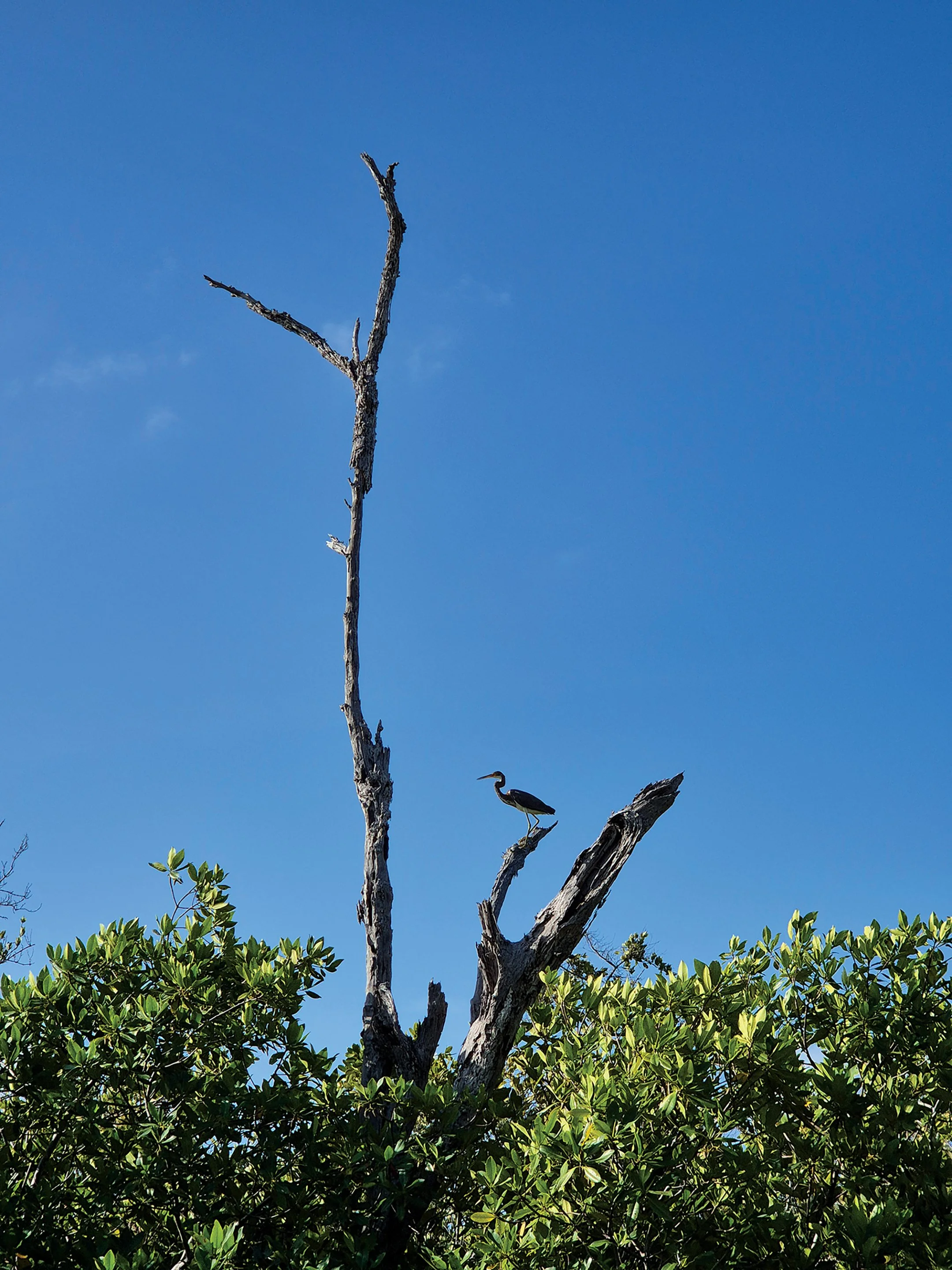
The wetland habitat makes Barkers an ideal stomping ground for birdwatchers, especially in the winter months when migratory visitors begin to arrive on our shores. Butterfly enthusiasts will also find Barkers exciting as it is one of the few places in the Cayman Islands that supports Glasswort (Salicornia perennis) – the larval foodplant of the endemic subspecies of the Pygmy Blue Butterfly, one of the smallest butterflies in the world.
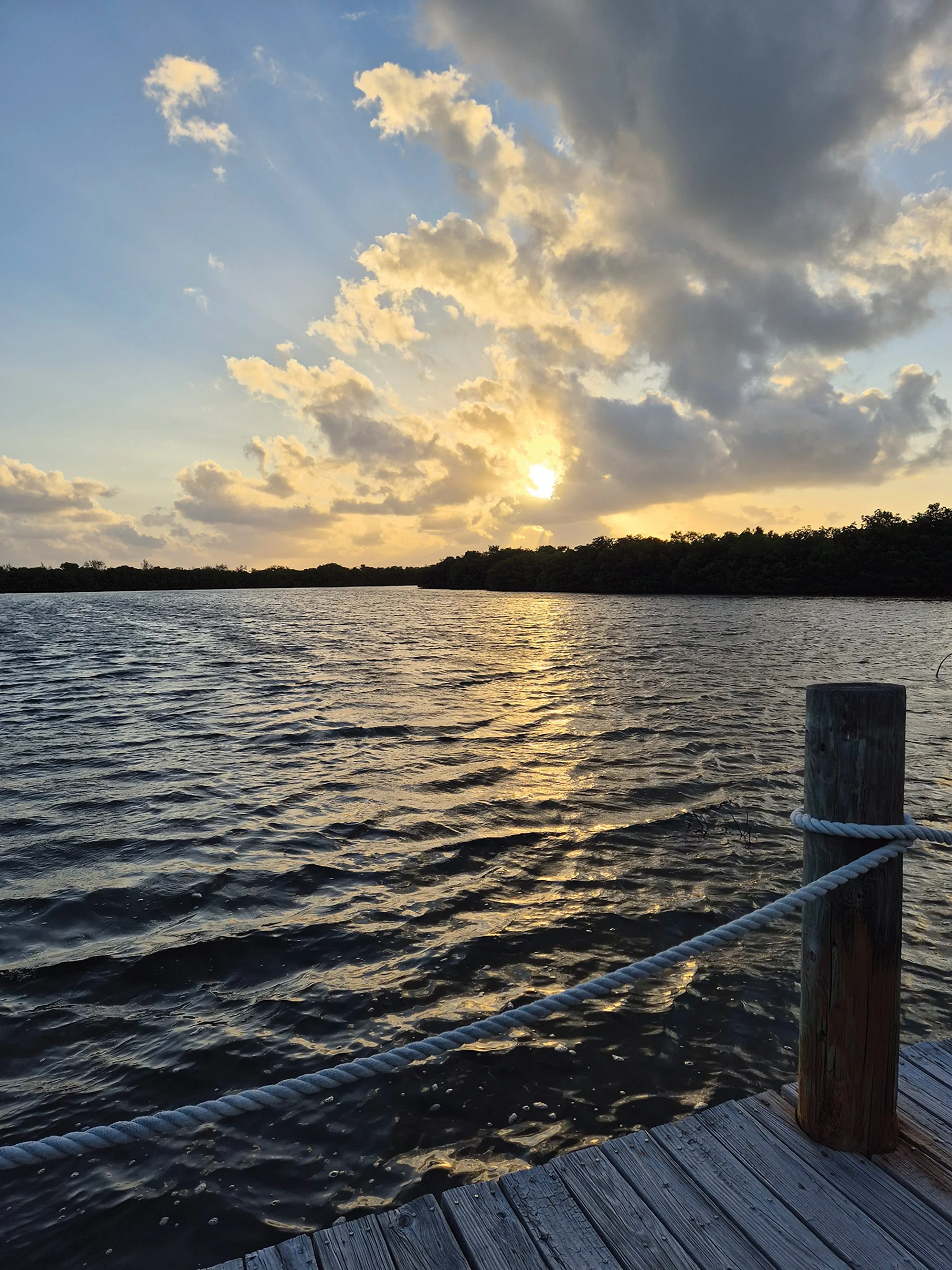
The short trail and wooden deck at Sea Pond also offer an ideal spot to admire the morning sun or take in the afternoon breeze.
CAYMAN BRAC PARROT RESERVE NATURE TRAIL, CAYMAN BRAC | LENGTH: ~1 MILE LOOP
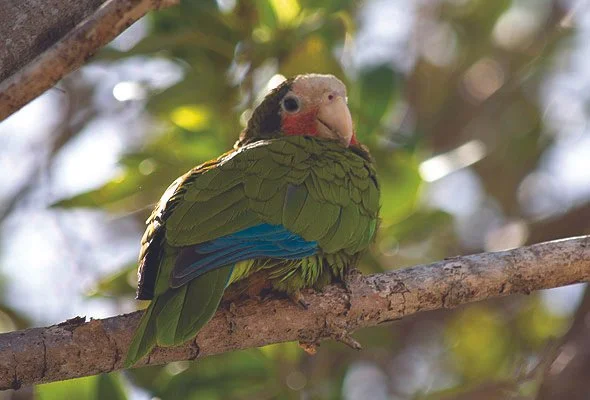
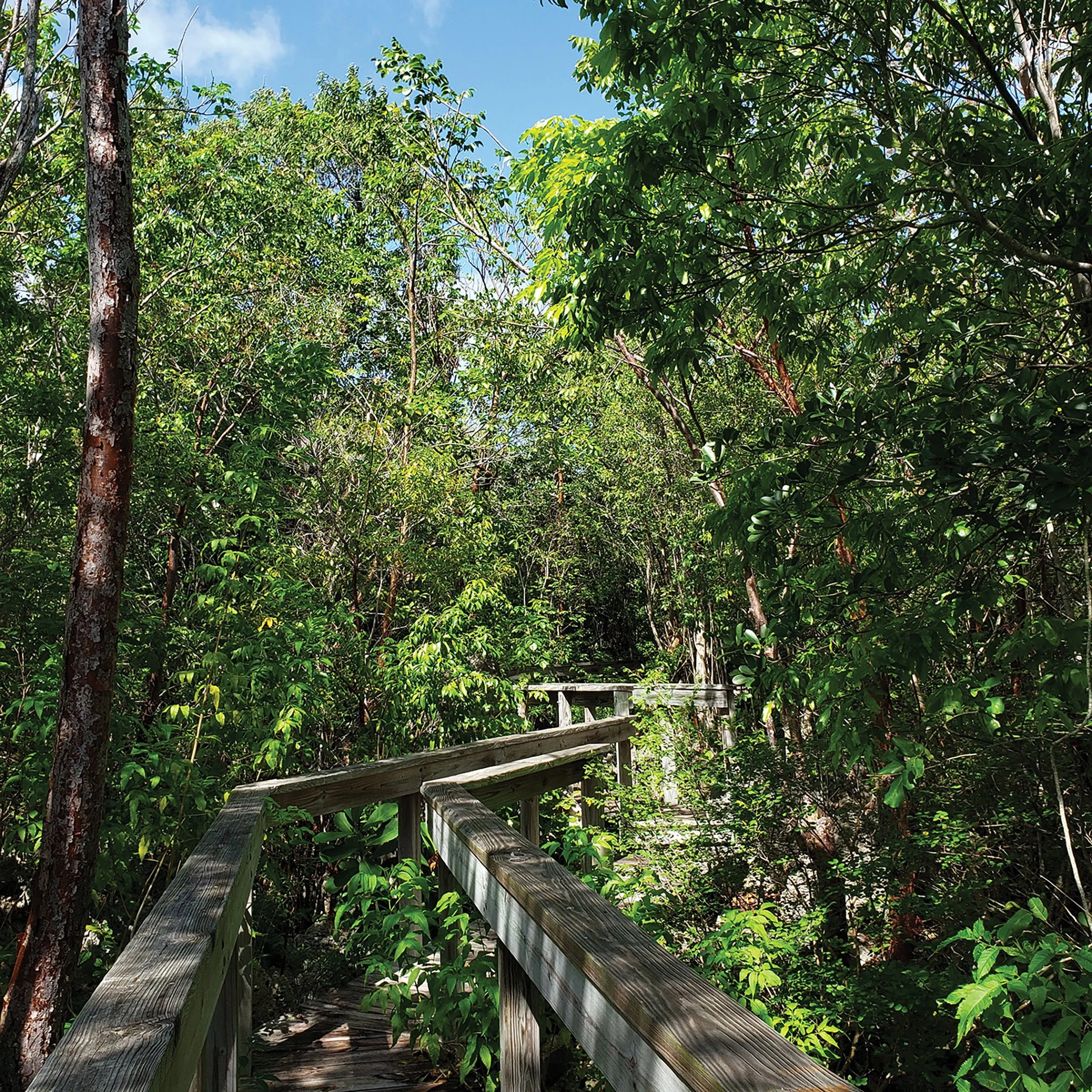
Nestled amongst 282 acres of land protected by the National Trust for the Cayman Islands, this mile-long loop trail features a mix of paths and boardwalks that lead you through the rocky, dry forests that the endemic Cayman Brac Parrots call home.
Although they may look similar to the Grand Cayman Parrot, the Cayman Brac Parrot is a unique subspecies. These parrots used to be found in Little Cayman as well until the 1932 Storm destroyed their habitat there. Now, these graceful birds are found only in Cayman Brac.
Along the way, you will pass through thickets of Red Birch (Bursera simaruba) trees which were used to make toy boats and spikey Corato (Agave caymanensis), an endemic agave that was used to make soap.
Wildlife abounds in this beautiful reserve, and you are likely to see a variety of birds, insects and reptiles along the route. In the winter months, keep your eyes and ears peeled for the sights and sounds of visiting birdlife.
SALT ROCKS NATURE TRAIL, LITTLE CAYMAN | LENGTH: ~1 MILE ONE WAY
Starting at the Salt Rock Dock, this mile-long trail leads you along a historic footpath that once connected Blossom Village to the dock.
Although today Little Cayman has a reputation for being a laid-back diver’s paradise, there was a time when this little island was a hub of activity – including phosphate mining. In the 1800s, mules pulled wooden carts laden with phosphate along rail tracks to the Salt Rock Dock for export, and you can still find pieces of the tracks rusting along the trail.
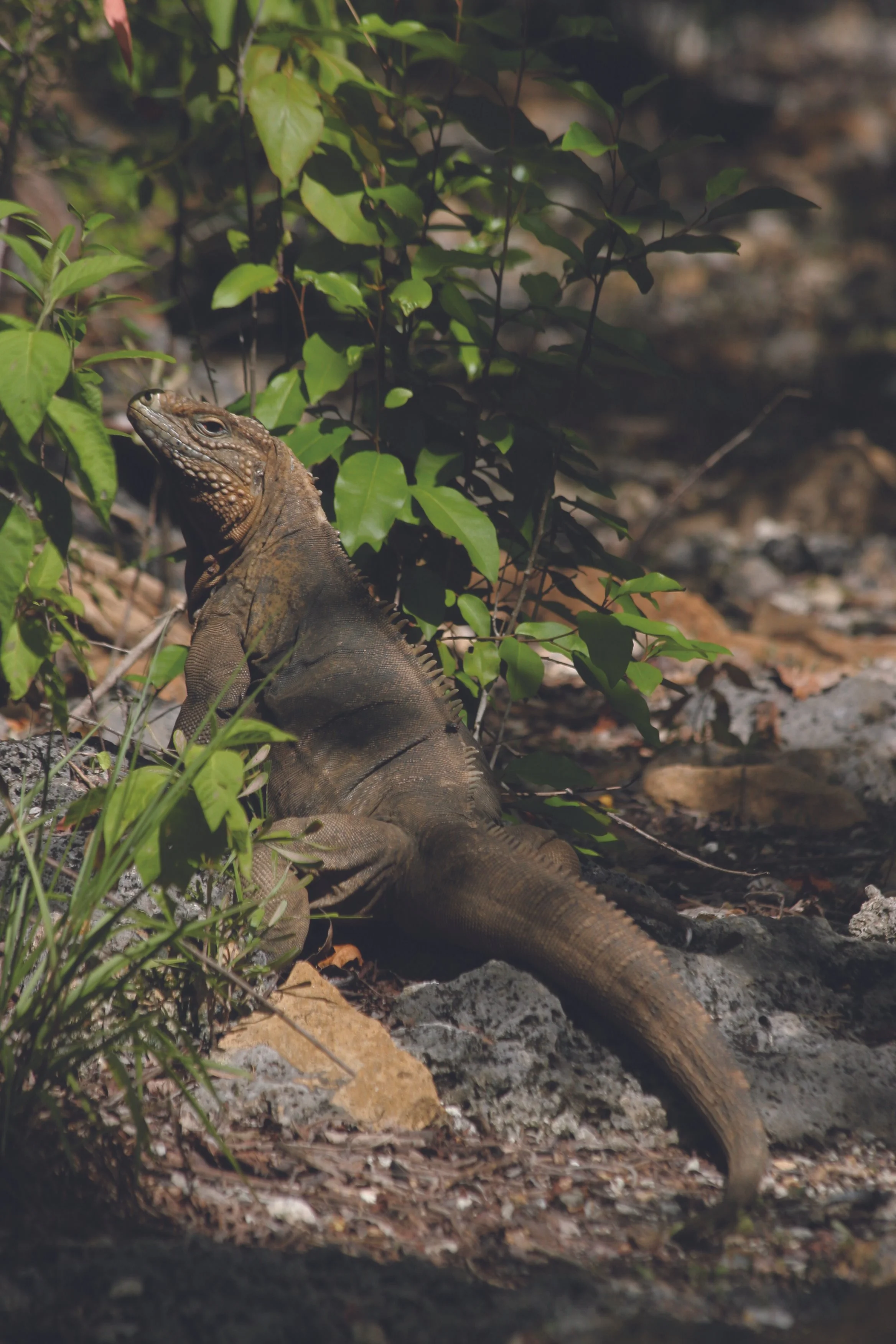
Beyond insights into Little Cayman’s hidden history, the Salt Rocks Nature Trail offers opportunities for birdwatching and catching a glimpse of the endemic Sister Islands Rock Iguana. You will probably also hear the rustle of Soldier Crabs and Land Crabs as they move through the underbrush.
The trail ends near the airport, a short walk from the Booby Pond Nature Reserve. Visit this site in the early evening to watch flocks of Red Footed Boobies and Man-o-War birds return from their daily fishing excursions to roost around the pond.
No matter which of the many hiking trails and nature walks you choose to explore in the Cayman Islands, always remember to wear the proper clothes and shoes and bring your reusable water bottle, sun protection and mosquito repellent. To get more out of the experience, go with a local guide who can tell you about the unique habitats, plants and animals that you encounter along the way. As always, when visiting environmentally and culturally significant areas, leave nothing but footprints and take only memories.
For more local outdoor life, flora and fauna, visit Bush Girl Medicine www.bushgirlmedicine.com
For more local outdoor life, flora and fauna, visit Bush Girl Medicine www.bushgirlmedicine.com