
OUTDOORS | WHY CAYMAN’S FUTURE MAY LIE IN ITS PAST
OUTDOORS | WHY CAYMAN’S FUTURE MAY LIE IN ITS PAST
Words and photos by Hannah Reid, www.bushgirlmedicine.com
Reactivating Traditional Environmental Knowledge
In the 1950s, when naturalist Archie Carr set out to learn whether sea turtles embarked on vast, annual breeding migrations, he found himself travelling to three remote Caribbean islands in search of the people who knew the animals best – the 'Cayman turtle men.' The intimate understanding the Caymanian turtle rangers had of their quarry is an example of traditional environmental knowledge. Caymanian traditional environmental knowledge evolved as early settlers interacted with the land, sea, plants and animals around them, learning what could harm them, heal them, nourish them, and shelter them.
Although dismissed by Western science for many years as little more than folklore, traditional environmental knowledge is increasingly acknowledged across a variety of fields as a source of important insights about the natural world and sustainable solutions to modern-day challenges.
As the Cayman Islands has grown more developed, our collective reliance on traditional environmental knowledge has lessened. But the importance of these ancestral wisdoms to survival on these islands has not.
RESILIENT DEVELOPMENTS
As we seek to ensure our homes and businesses can withstand the challenges of climate change, traditional Caymanian cottages offer lessons for building resiliency through design that works with the natural environment instead of against it.
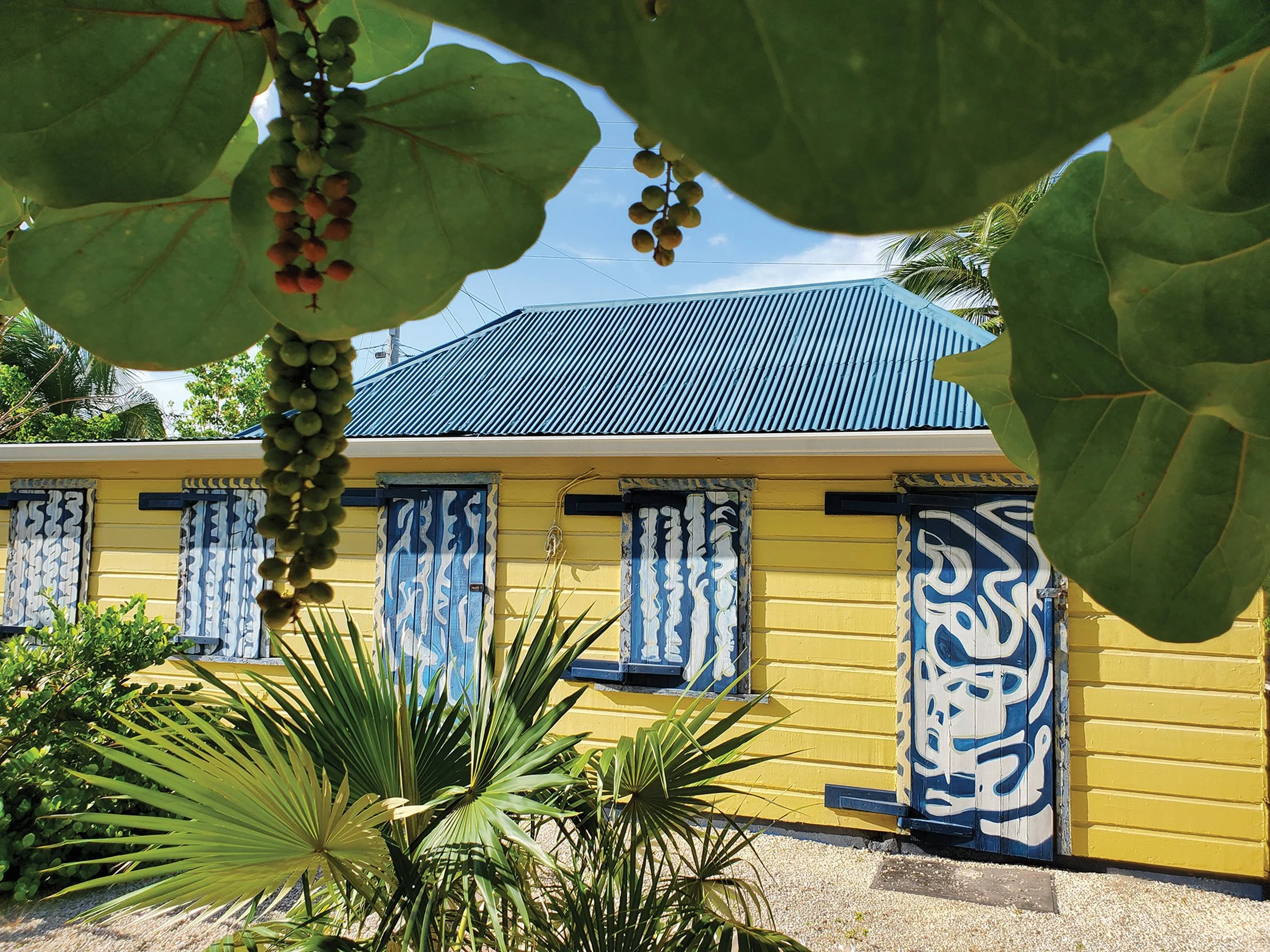
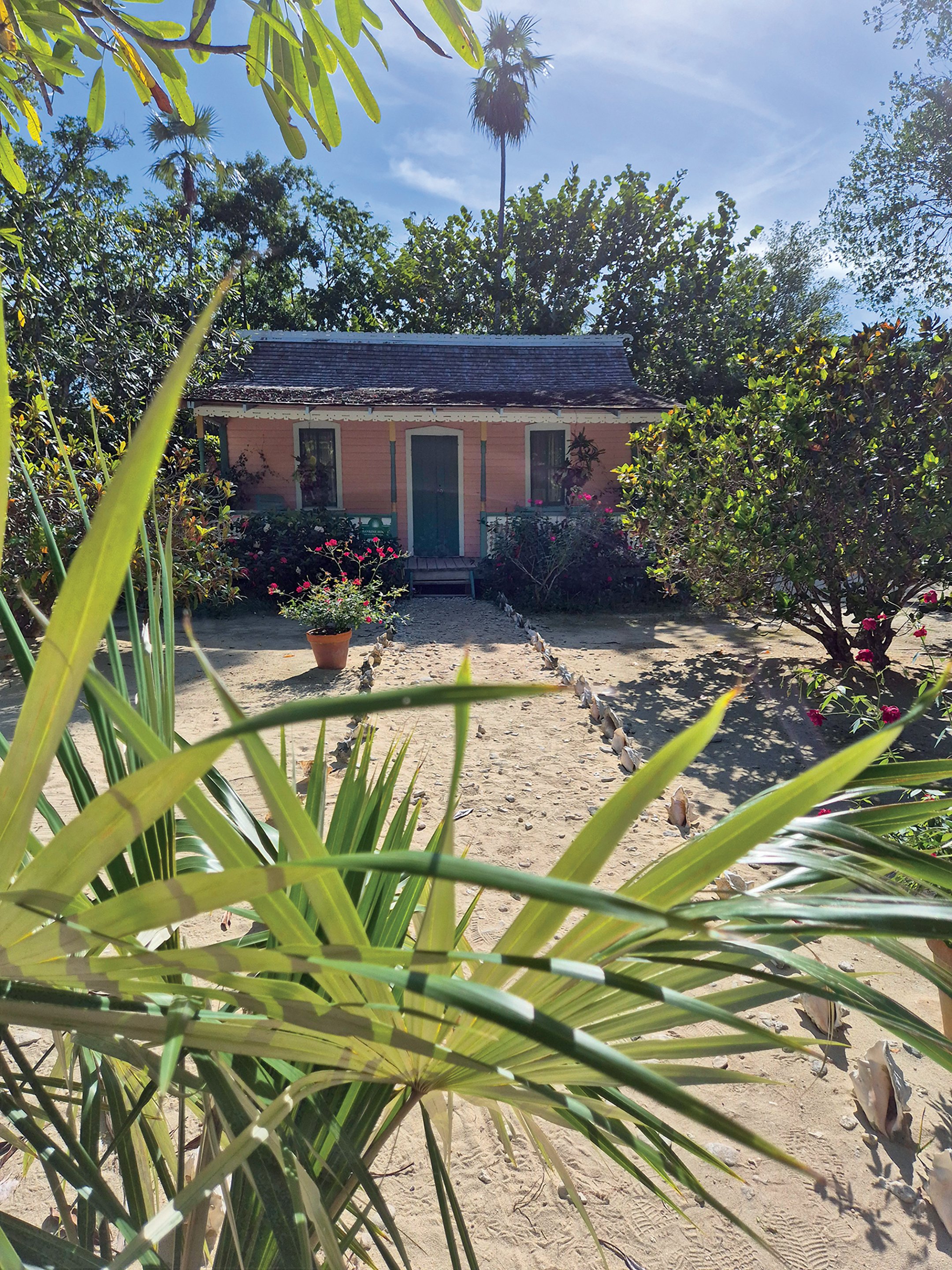
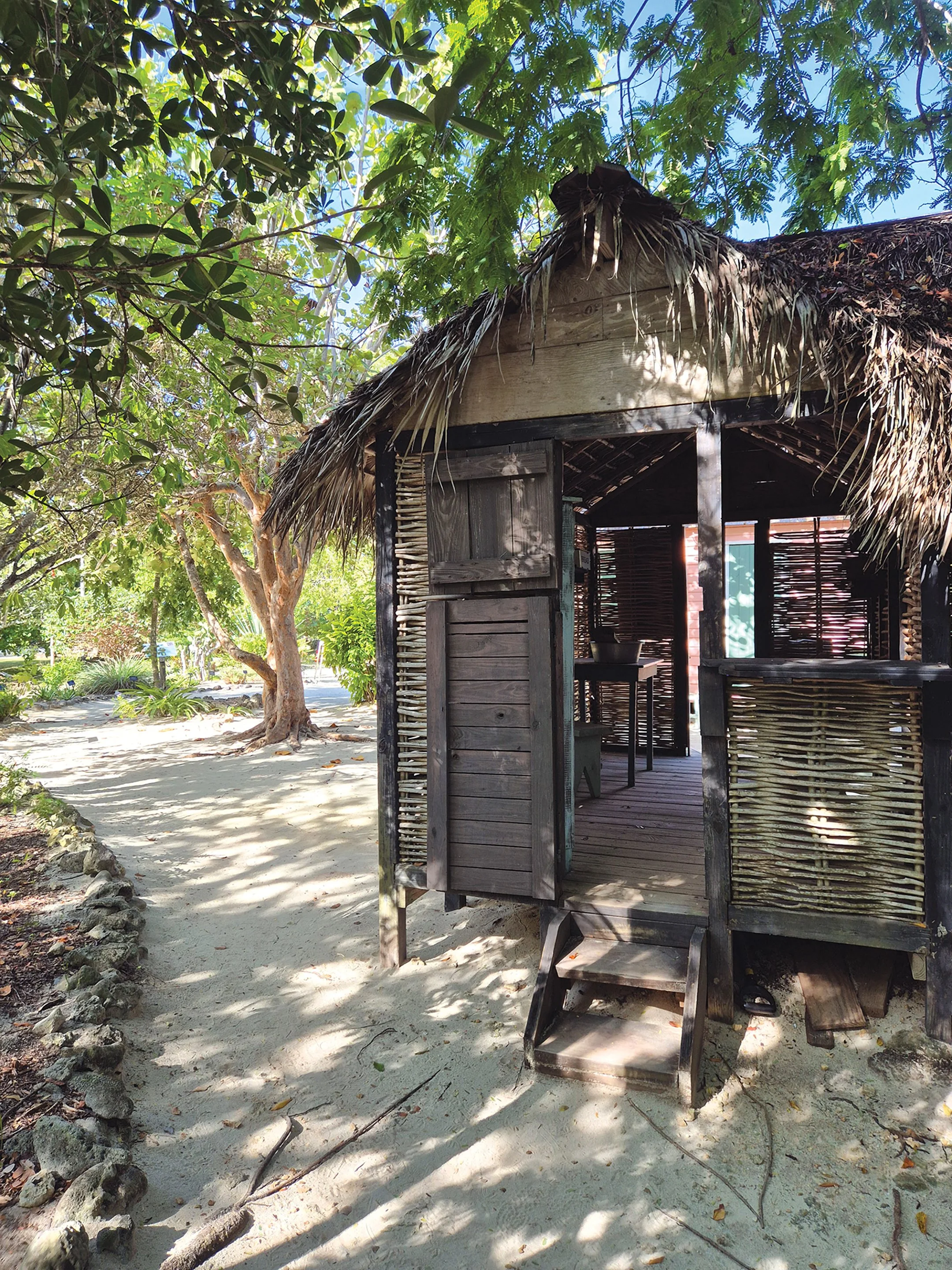
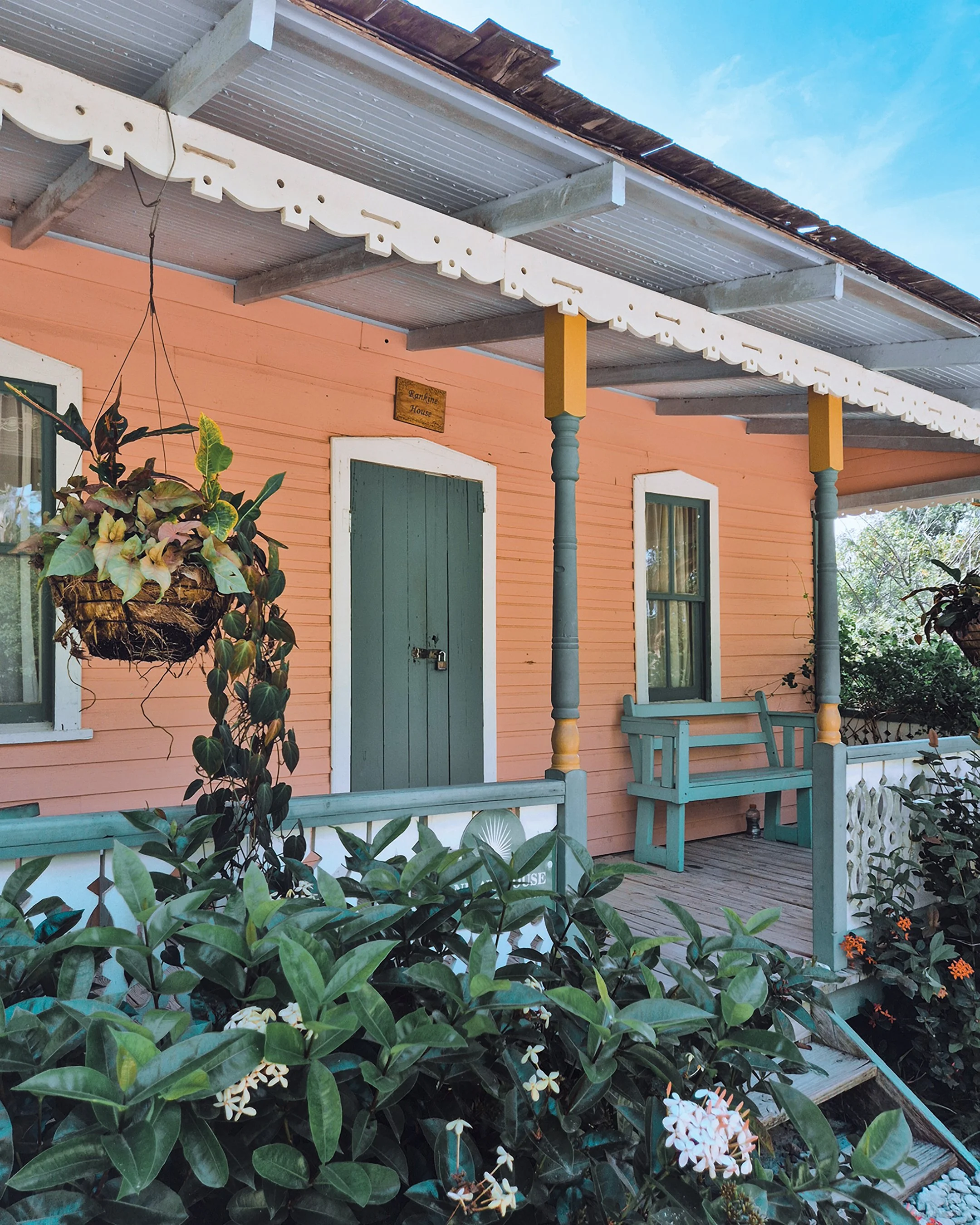
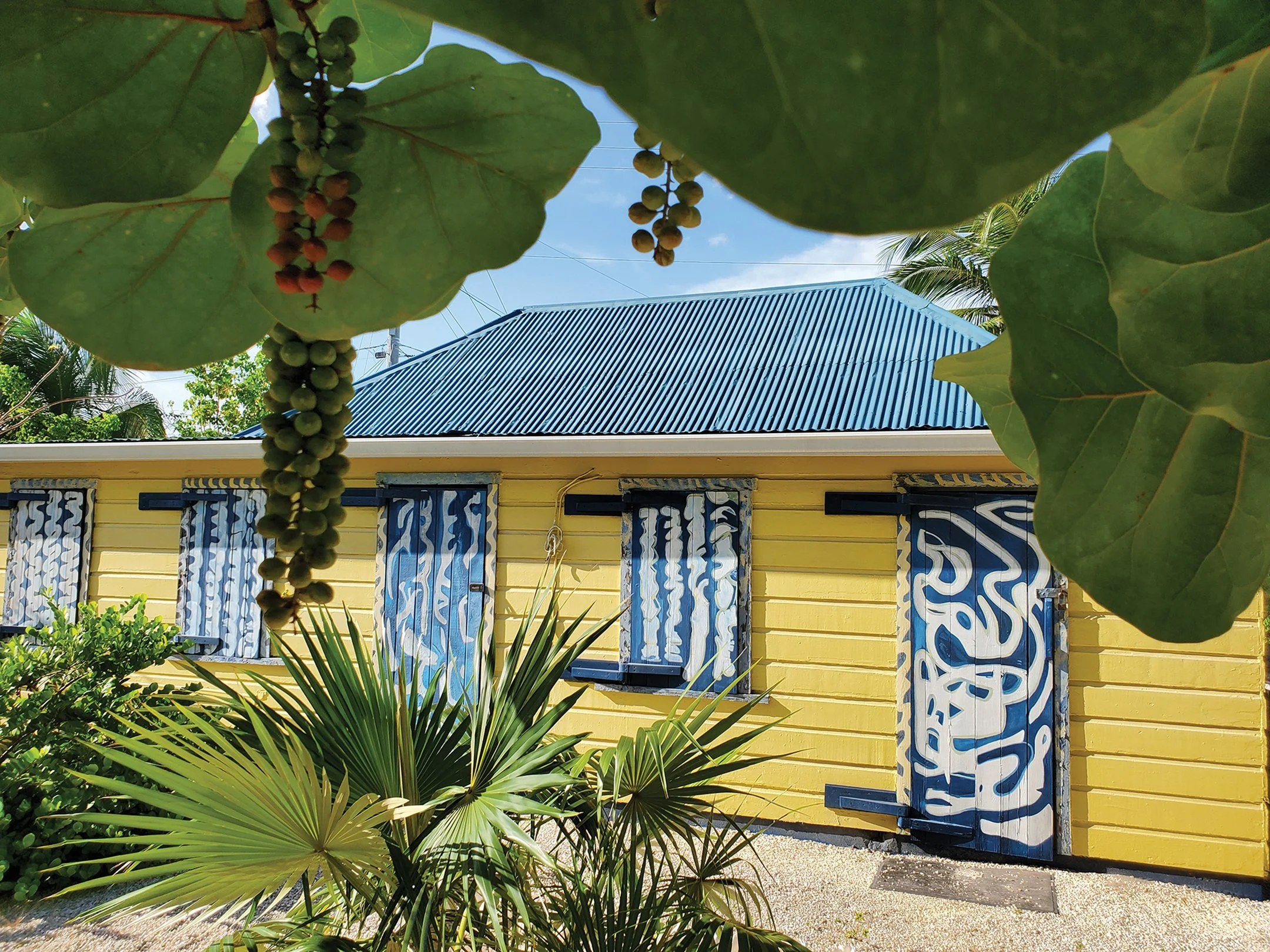
These small, sturdy homes embody traditional environmental knowledge in every aspect of their design. Homes were oriented to embrace the prevailing breeze and built away from the coastline, floors raised up on ironwood posts offered both natural cooling and protection from flooding, aerodynamic hip roofs covered with durable silver thatch repelled heavy rains and resisted high winds, and walls made from candlewood, cabbage or strawberry wattles combined strength with flexibility.
The features that define Cayman’s architectural heritage are inherently resilient and resource-efficient. Indeed, many historic Caymanian cottages still stand today, a testament to the ingenuity of their builders and the durability of their design. By taking Caymanian traditional environmental knowledge into where developments are situated and how they are built, modern buildings can combine the best of today’s technology with the common-sense solutions of the past.
SUSTAINABLE LANDSCAPING
As climate change affects local rainfall patterns, sustainable landscape design can draw inspiration from the xerophytic design of traditional Caymanian sand yards.
A quintessential feature of traditional homes, Caymanian sand yards combine elements from African and English gardens, showcasing a blend of medicinal plants, fruit trees and flowering shrubs. Out of necessity, these gardens are drought, salt, pest and heat tolerant.
Modern landscape design often results in thirsty and expensive gardens, which negatively impact biodiversity rather than supporting native species. By embracing native and endemic species for their aesthetic and utilitarian qualities, Caymanian sand yards offer lessons for integrating beauty, practicality and sustainability through naturally water-efficient, low-maintenance landscape design.
FOOD SECURITY
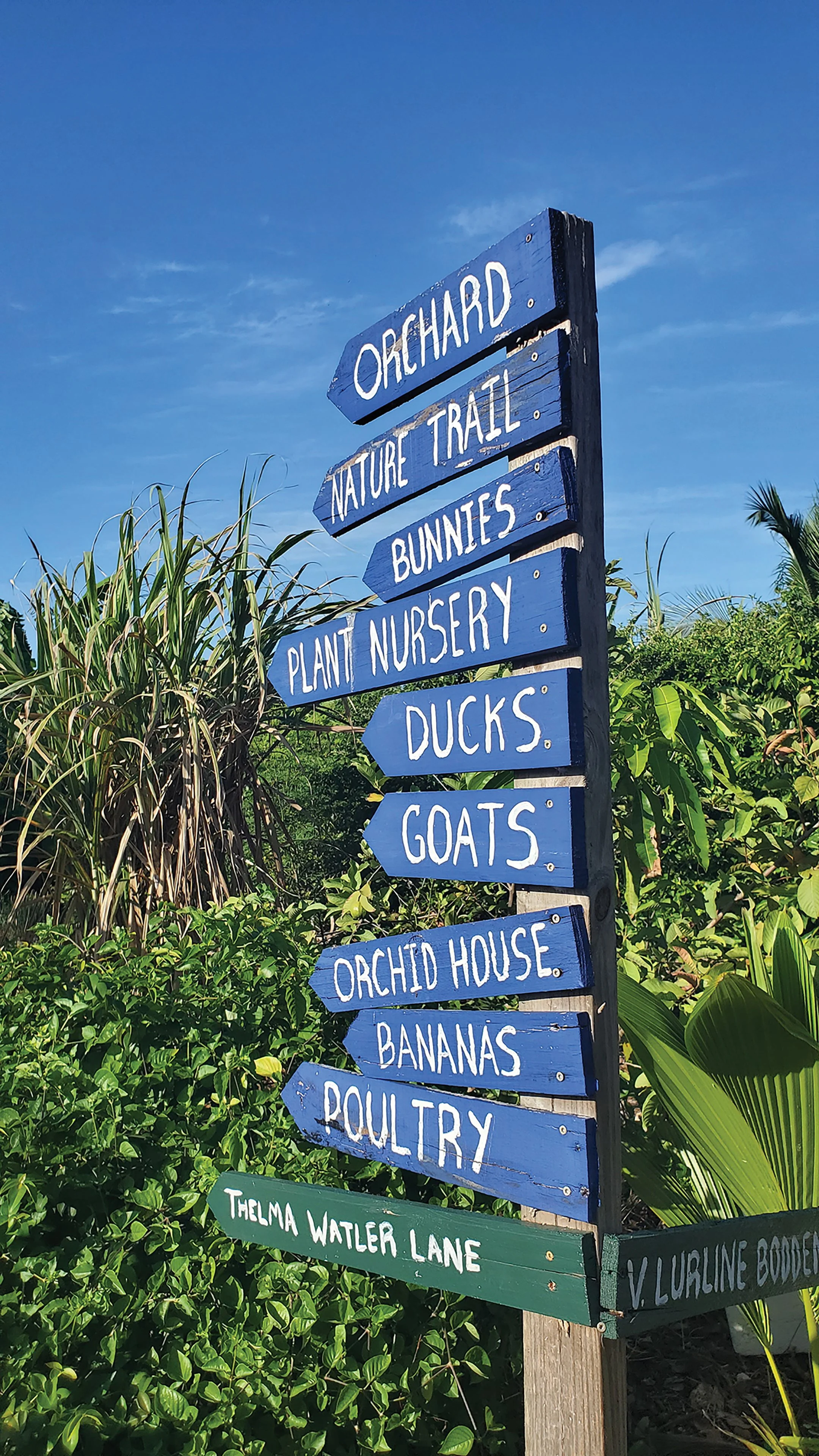
In the early days of Cayman’s history, when shipments of dry goods from overseas were few and far between, Caymanians relied on what they could grow or forage from the land and what they could catch from the sea. Adapting to our islands’ rugged landscape, Caymanians developed unique growing techniques, cultivated food crops that are suitable to our environment, made creative use of local ingredients, and demonstrated a remarkable ability to turn almost any ground provision into a delicious cake!
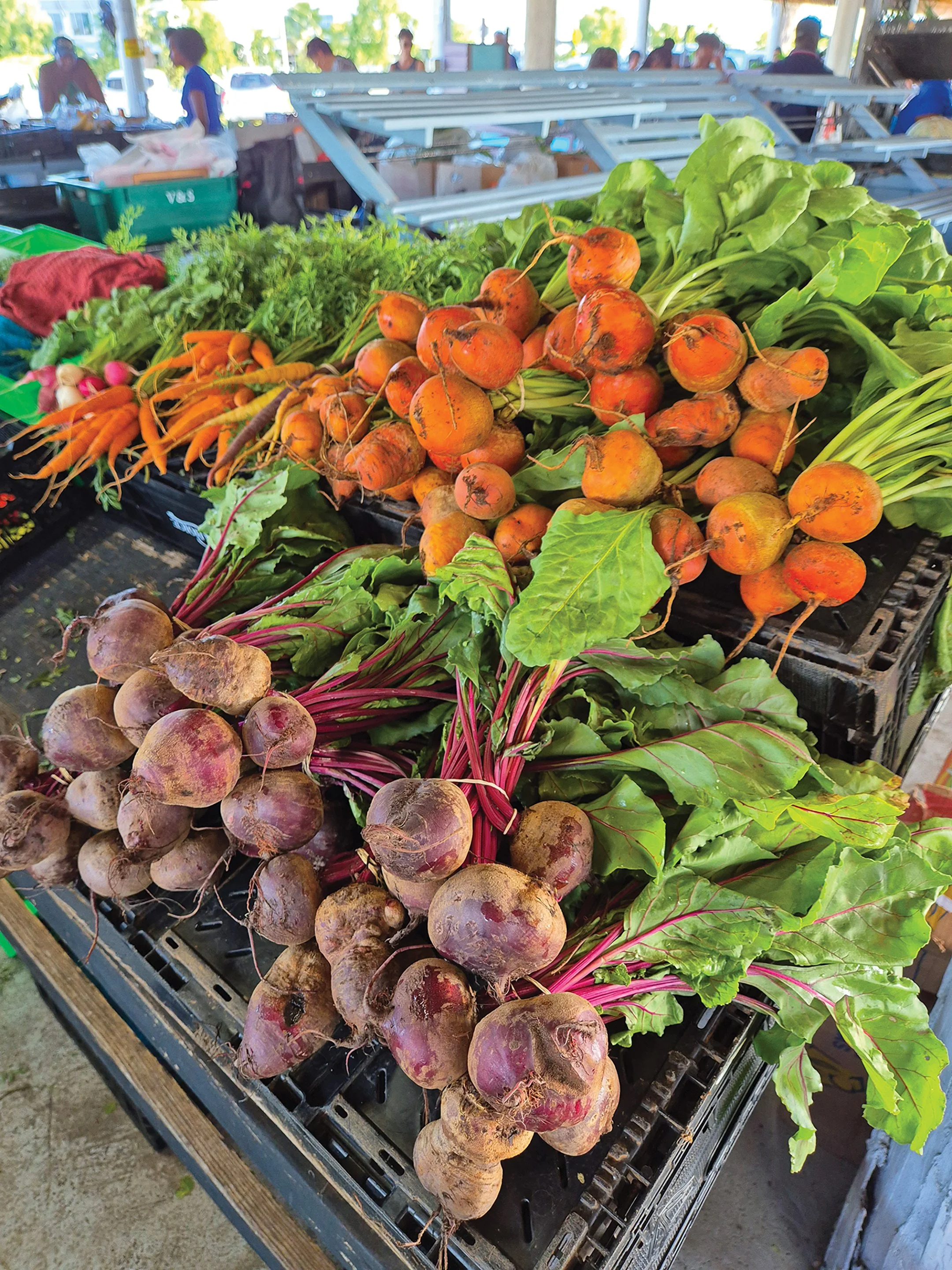
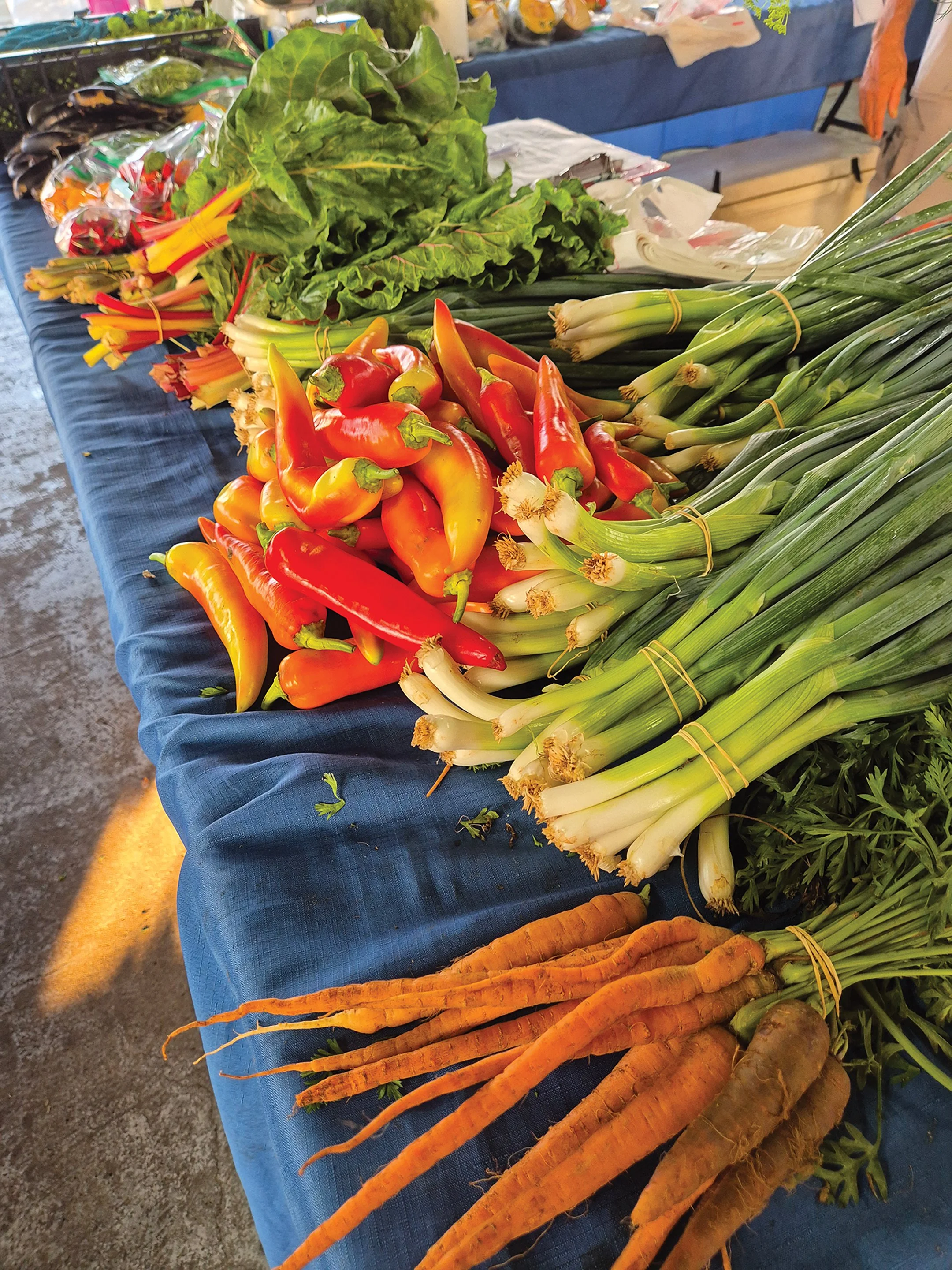
Today, residents of the Cayman Islands have access to foods from all over the world, but our supply chains are not immune to disruptions that can leave shelves bare. Meanwhile, our farmers markets are bursting with local flavours and homegrown foods.
By supporting local farmers, embracing the seasonality of local produce, reviving old family recipes and substituting homegrown ingredients for imported options, every Caymanian kitchen can support efforts to enhance food security.
A CAYMANIAN SENSE OF SUSTAINABILITY
Above all, Caymanian traditional environmental knowledge offers a culturally appropriate lens through which to view modern challenges and potential solutions. Caymanians may not have used the word ‘sustainable’ to describe the way they built their homes, cultivated their gardens or produced their food, but the principles of wise resource, resilient design and adaptability are embedded in these traditional practices. As we seek new and creative ways to adapt to the challenges of climate change and food security, Caymanian traditional environmental knowledge holds important lessons for developing a sustainable future.
For more local outdoor life, flora and fauna, visit Bush Girl Medicine www.bushgirlmedicine.com
For more local outdoor life, flora and fauna, visit Bush Girl Medicine www.bushgirlmedicine.com