
DESIGN | LIVING WELL BY DESIGN
DESIGN | LIVING WELL BY DESIGN
Words by Donal McGrath, BDCL Cayman
How the homes we build shape the lives we live.
To learn more, visit www.bdcl.ky
The architecture of luxury homes is increasingly moving beyond aesthetics and size to address something less visible but equally important: how design shapes the daily experience of living. How a home is oriented, how spaces relate and contrast with one another and how it supports the rhythms of its occupants, all determine whether a house is simply beautiful or genuinely good to live in.
NATURAL LIGHT
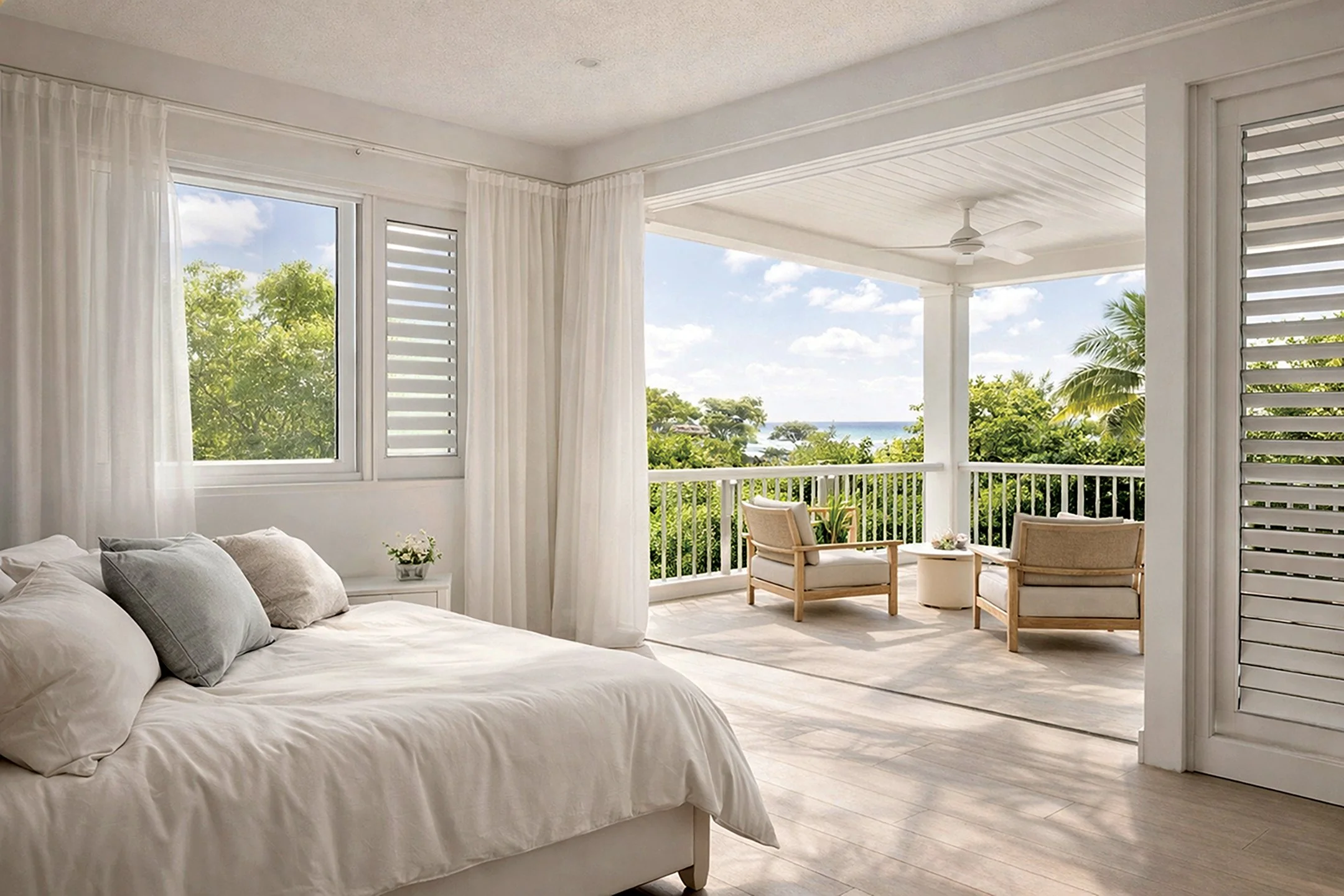
Light is the most powerful tool in the architect’s kit. Orienting bedrooms and kitchens to the east allows the day to begin with soft natural light rather than artificial illumination, supporting the circadian rhythms that govern sleep, energy and mood. Generous window openings with high heads bring light deep into a room, while deep overhangs, shutters and screens give occupants precise control over the glare and intensity of the tropical sun as it moves through the day.
PASSIVE COOLING
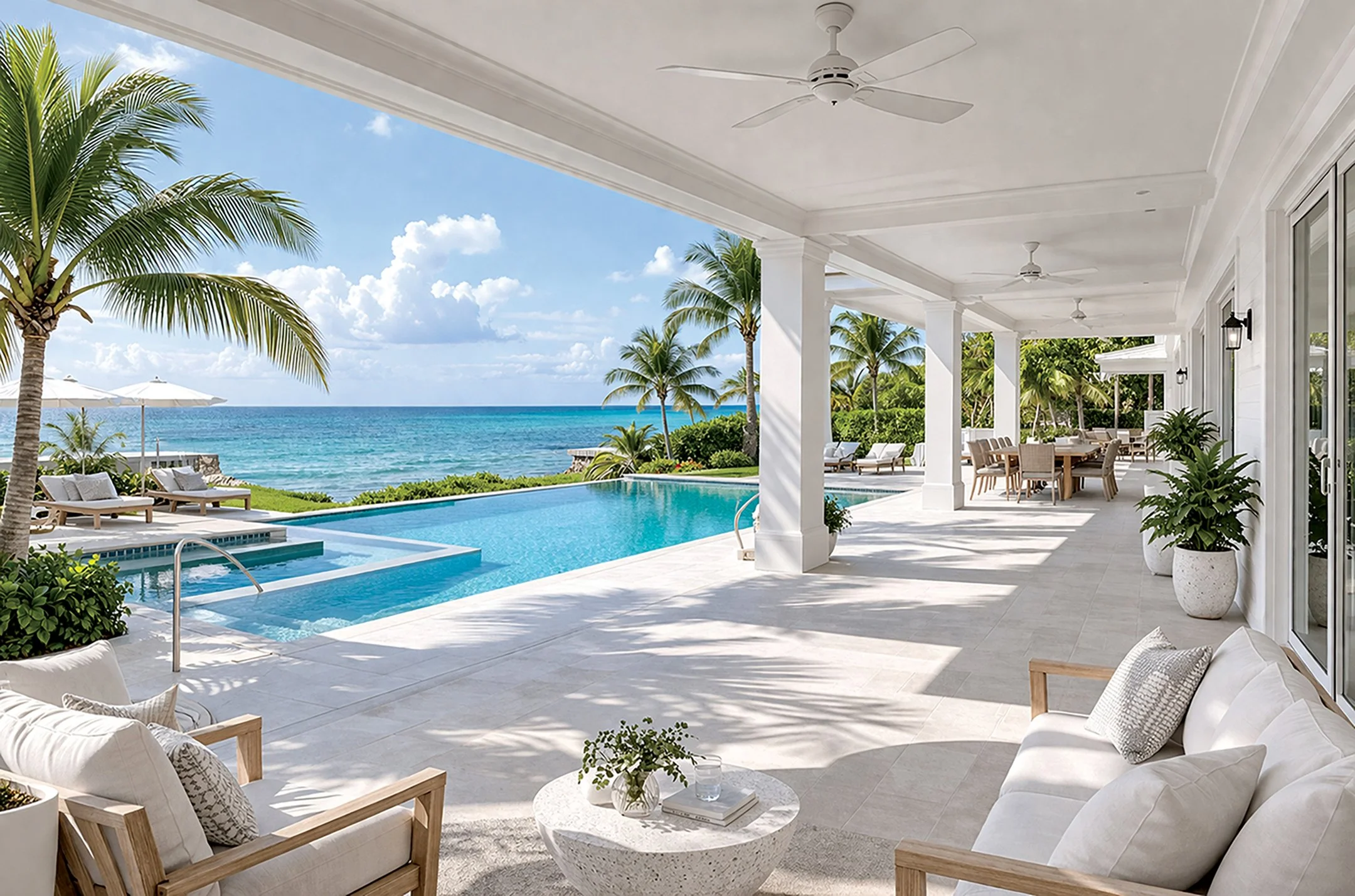
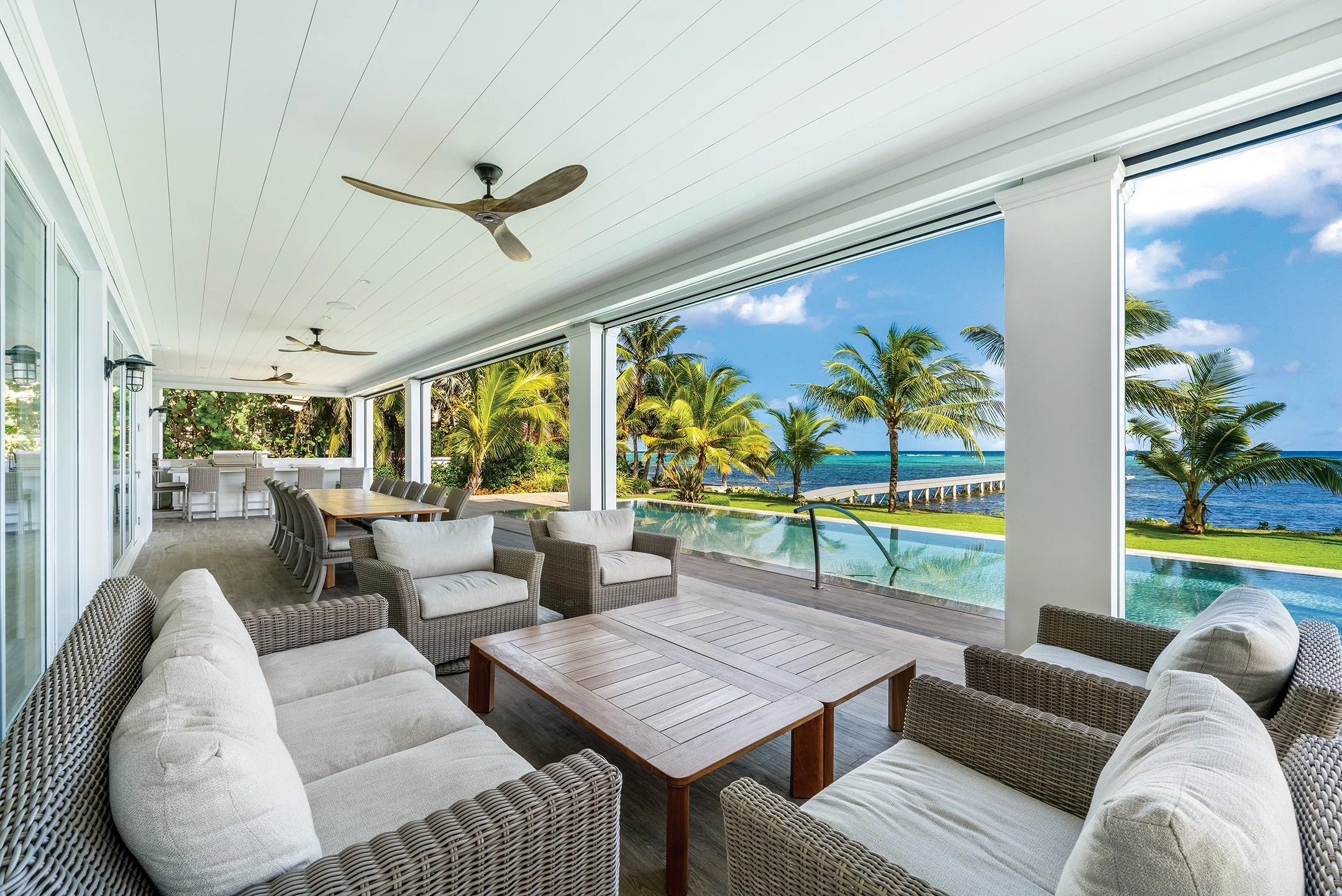
The Caribbean vernacular understood something that modern air-conditioned architecture often forgets: a home can be cooled by design. High ceilings, cross-ventilation and shaded outdoor spaces reduce dependence on mechanical cooling and create a thermal environment that feels alive rather than sealed. Designing a variety of spaces, some breezy and open, some sheltered and still, gives occupants a richer daily experience and a closer relationship with the climate they chose to live in.
ACOUSTICS
Sound is among the most overlooked aspects of residential design. Quiet spaces matter for sleep, concentration and recovery, but complete acoustic isolation is rarely desirable. Allowing the rustle of palms, the punctuation of a sudden rain shower or the distant sound of the sea to filter into social areas creates a layered acoustic landscape that is far more comfortable than total silence. The goal is not to exclude sound but to curate it.
SPATIAL PLANNING
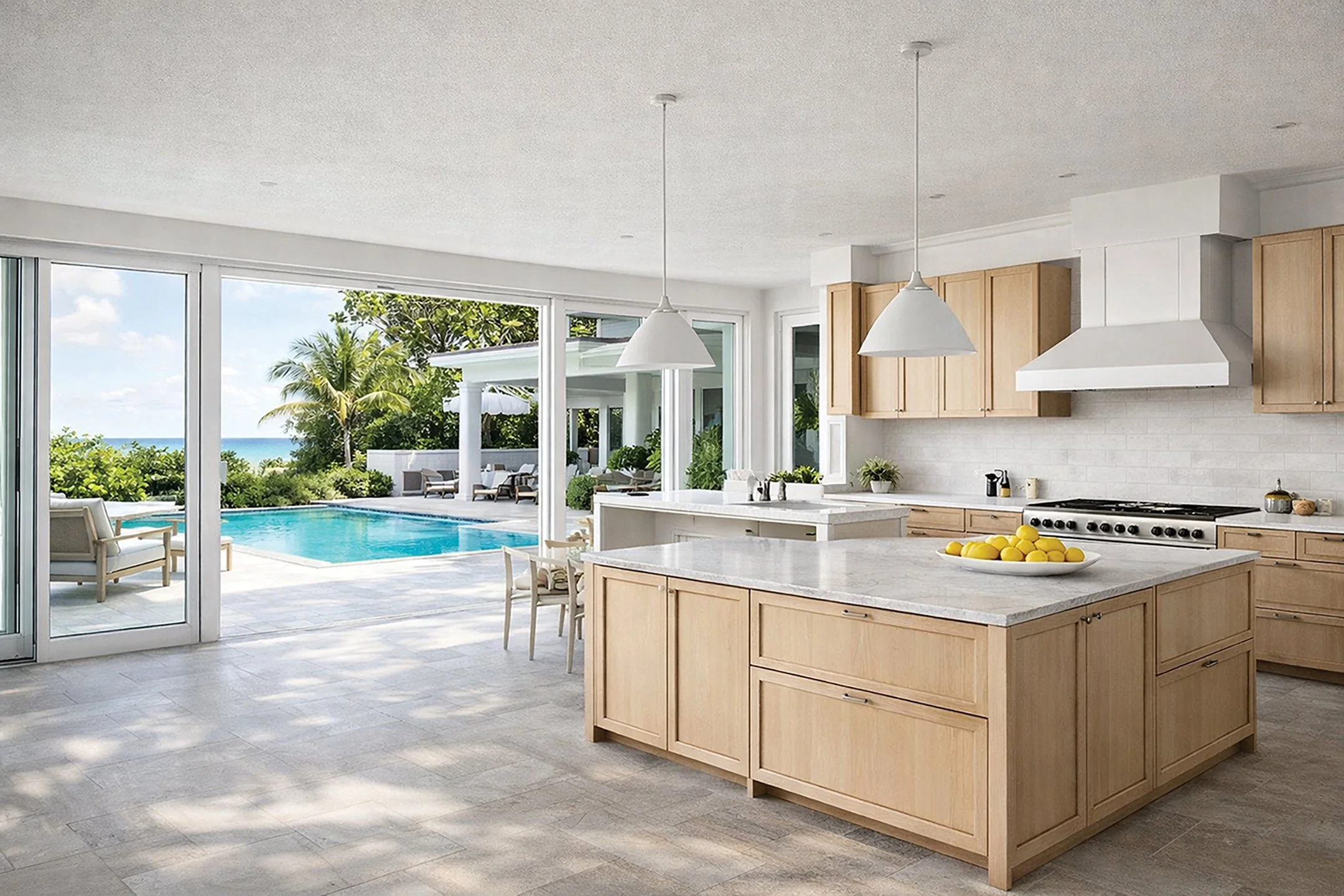
Layouts that encourage incidental movement, through split-level sections, well-placed staircases and paths connecting indoor and outdoor areas, promote physical activity without effort or intention. Open kitchens linked to dining and outdoor spaces make cooking a social act, which tends to encourage more mindful eating habits. Scale matters too: high ceilings promote openness and sociability, making them the natural choice for living and entertaining, while lower more enclosed spaces suit reading rooms and studies where concentration and rest are the purpose.
MATERIALS
Cayman’s salty humid air rewards materials that are honest about where they are. Timber, stone and textured lime finishes do not fight the climate – they respond to it, ageing with character and developing a patina that synthetic materials never achieve. A wall of coral stone that has weathered a decade of Caribbean weather carries a warmth and weight that no imported finish can replicate. Beyond durability, natural materials provide a tactile depth that contributes quietly but consistently to the psychological comfort of a home.
OUTDOOR LIVING
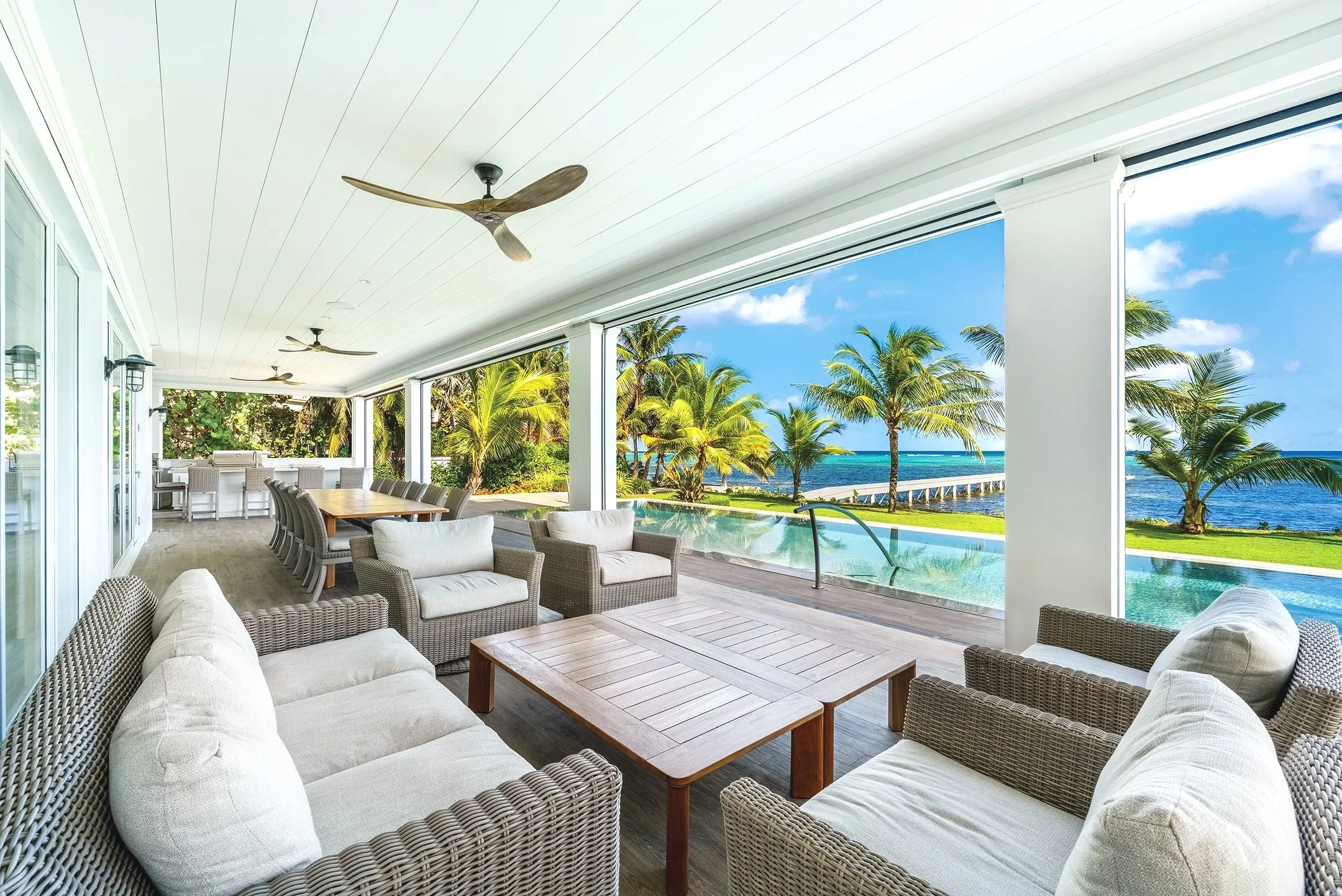
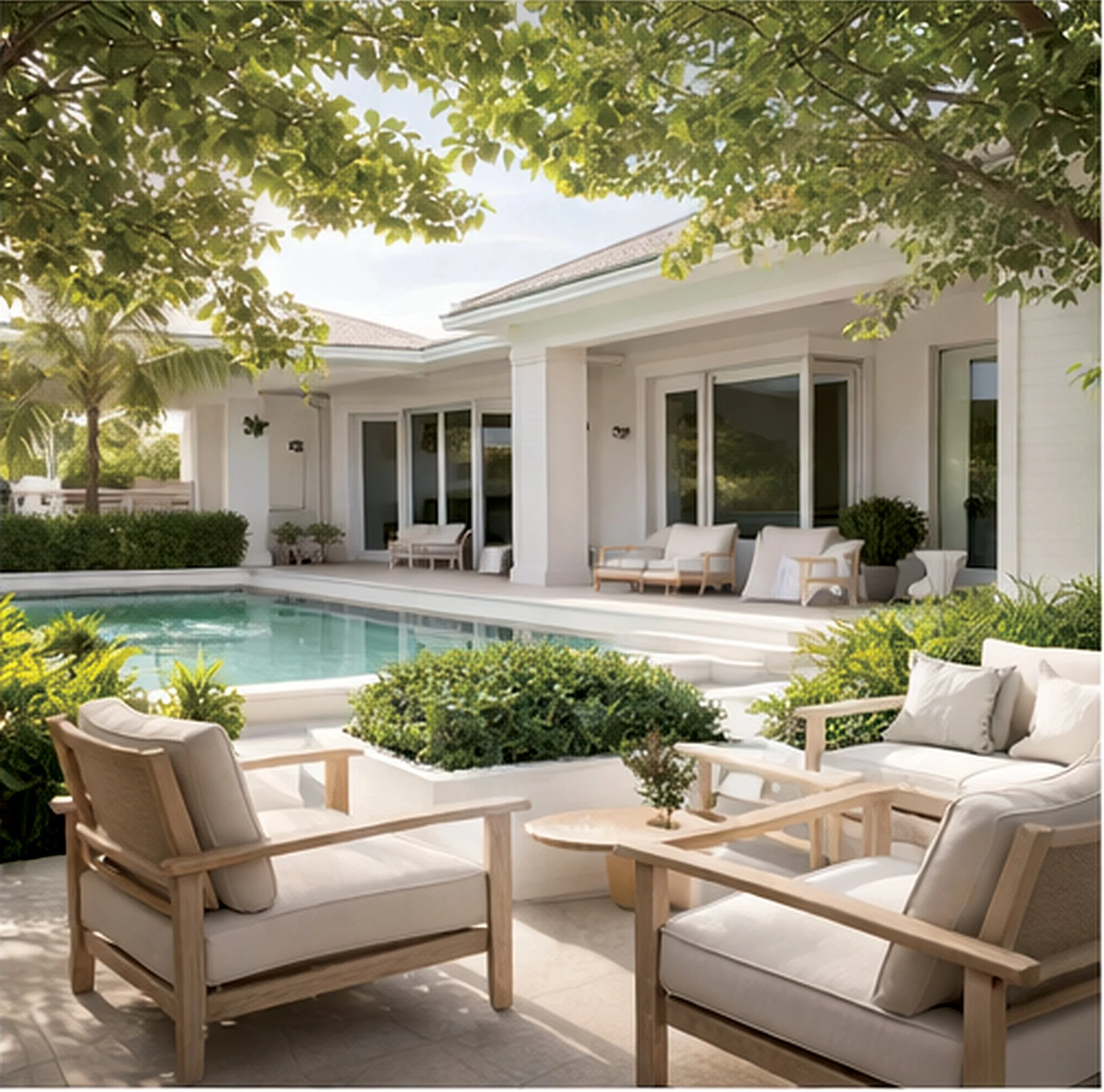
The most straightforward contribution a home can make to the health of its occupants is also the most easily overlooked. Gardens, terraces and courtyards – designed from the outset rather than appended as afterthoughts – encourage repeated daily contact with fresh air, greenery and natural light. In a climate this generous, the boundary between inside and outside should be as easy to cross as possible.
Architecture should always be shaped around the life of the people who live in it. But it is the creation of variety within each design – open and enclosed, breezy and sheltered, acoustically rich and quiet – alongside the ability to adjust light, temperature and air, that truly makes a house a pleasure to come home to.
To learn more, visit www.bdcl.ky