
FUTURE-PROOFING OUR ISLANDS,
CAYMAN ISLANDS
FUTURE-PROOFING OUR ISLANDS | REED CONSULTING ENGINEERS, CAYMAN ISLANDS
Engineering the Way to a Resilient, Clean Energy and Sustainable Cayman.



FOR MORE INFORMATION ON REED CONSULTING ENGINEERS AND THEIR PROJECTS, CLICK: www.reedconsultingengineers.com
Cayman’s new National Energy Policy (NEP), approved by Cabinet in April 2024, lays out an ambitious roadmap for a cleaner, more climate-resilient Cayman Islands. Key targets include 100% renewable energy by 2045 and a full transition to electric vehicle sales within the same timeframe. But this policy goes beyond energy – it calls for island-wide transformation, integrating sustainability into construction, coastal protection and infrastructure.
It’s about protecting natural resources while improving the quality of life. It’s a bold vision – but how do we get from vision to practical implementation? Ben Morgan of Reed Consulting Engineers explains the role that engineers play in achieving these goals.
Transforming Construction
Achieving these targets calls for a significant shift in how we design, construct and retrofit buildings. Cayman is already a leader in this space, with more LEED-certified buildings per capita than anywhere else in the Caribbean and an industry that is increasingly conscious of related global benchmarks like the CARICOM Energy Code and the International Energy Conservation Code. The NEP also incentivises going above minimum standards – for example, by offering non-financial benefits for projects that achieve green certifications or demonstrate superior performance.
Making Your Home Part of the Solution
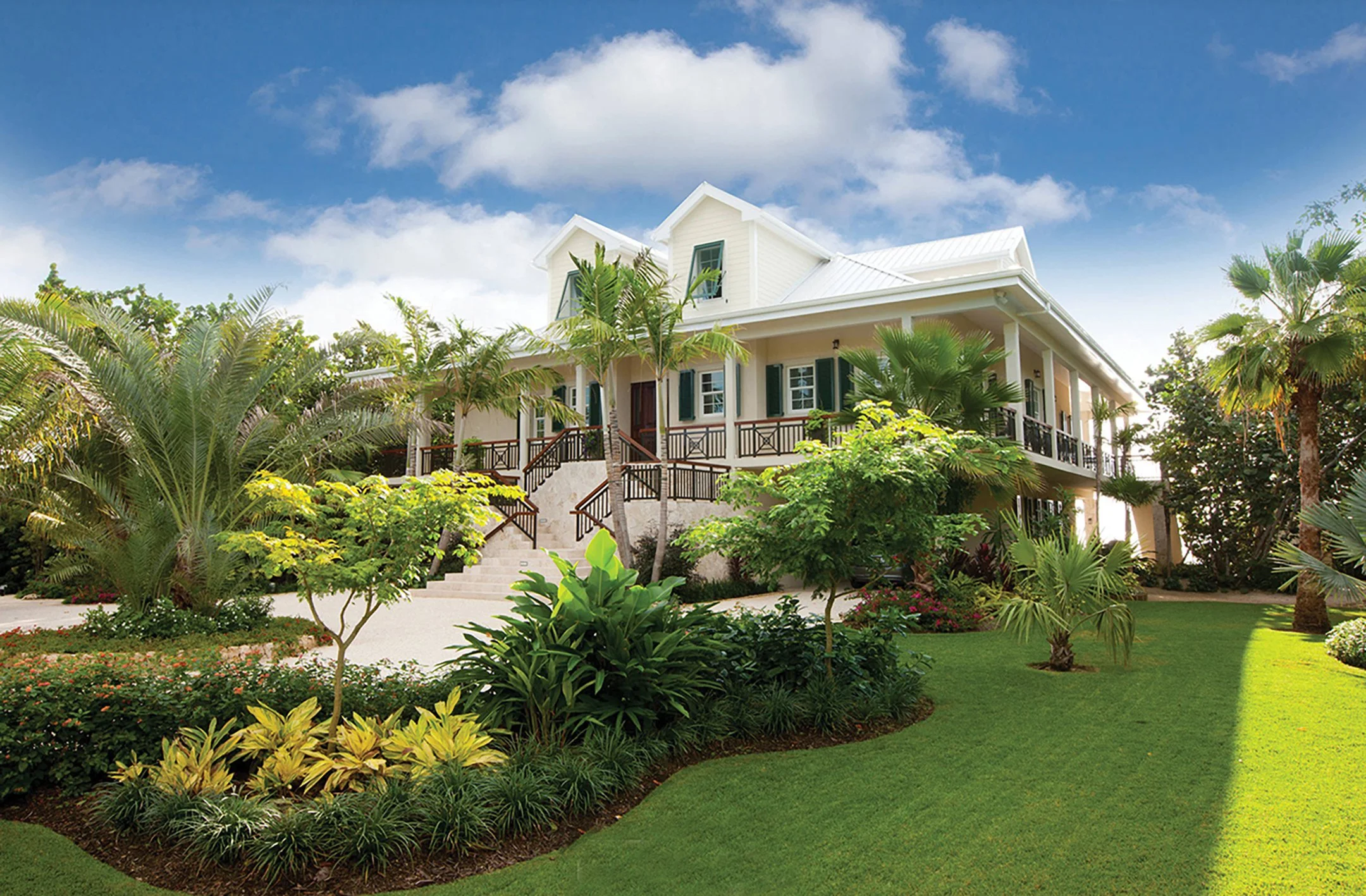
Ensuring homes, workplaces and public spaces are energy efficient will require the cooperation of public and private sectors. For homeowners, there are several low-hanging fruits. Rooftop solar is a standout – with over 300 sunny days a year, Cayman is ideal for solar PV systems – and the new NEP gives residents the right to self-generate up to 20 kW of solar power with battery storage.
Beyond solar, installing energy-efficient AC systems, insulation, reflective roofing and smart thermostats can drastically cut cooling costs. Water conservation is also key – features like rainwater harvesting, greywater reuse and low-flow fixtures help reduce strain on utilities and improve resilience during droughts or storms.
Engineering the Transition
Engineers are often the bridge between policy and action. The multidisciplinary engineering team at RCE works with developers, homeowners and government agencies to implement sustainable solutions tailored to Cayman’s unique environment. From structural design to MEP systems and civil infrastructure, they help clients assess what green technologies make the most sense for their projects and ensure they’re properly integrated and built to last.
Building Resilience through Coastal Defences
As a low-lying Caribbean nation, Cayman is increasingly vulnerable to hurricanes, sea-level rise and storm surges. Resilience must therefore start at the coast. While the NEP emphasises protecting shorelines and avoiding high-risk development zones, RCE helps strengthen coastal infrastructure through elevated foundations, flood-resistant materials and drainage systems.
Leveraging Nature-Based Solutions
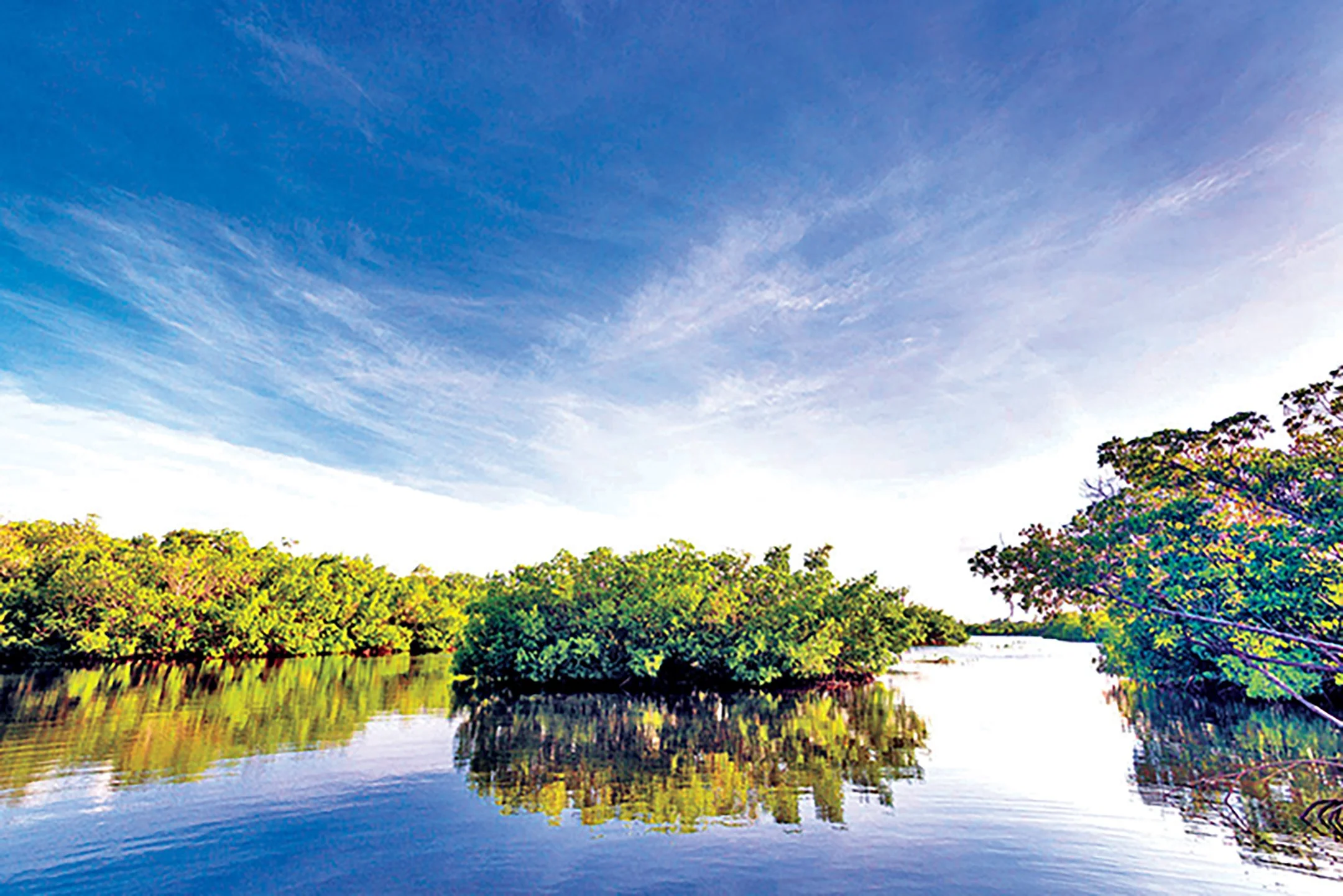
However, coastal defence is not just about concrete – nature plays a huge role. Mangroves, reefs and wetlands act as natural storm buffers and preserving them is often the most cost-effective defence. It is therefore crucial that engineering works with, not against, the environment. This is why RCE collaborates closely with LGL, a respected environmental consulting firm, to blend engineering with ecological insight. Together, they design projects that meet environmental standards while enhancing natural protections – whether that’s restoring mangrove buffers, orienting structures to reduce erosion,
or using native landscaping.
Beyond Energy: Water, Waste, Transport
These are all core pillars of sustainable infrastructure. RCE supports projects like waste-to-energy facilities that can generate power while reducing landfill use, as well as designing grey-water systems, smart irrigation and efficient utilities for new developments.
On the transportation side, the NEP promotes pedestrian-friendly streets, expanded bus routes and bike lanes and RCE’s civil engineers are equipped to contribute to designing complete streets and smart traffic solutions.
The Power of Public-Private Partnership
Everyone has a role to play. While the government sets the vision and standards, the private sector drives innovation and implementation. RCE partners with developers, businesses and individual homeowners to bring sustainable projects to life. Much of their work is educational in nature: helping people understand what’s possible, what makes financial sense and how they can contribute to national goals.
Building Momentum
The journey is complex, but the momentum is real. With continued leadership from government and collaboration from firms like RCE and LGL, Cayman’s vision of a sustainable, resilient future is absolutely within reach. Every new building, every coastal project, every infrastructure upgrade is a chance to move the needle. And together, we can build an island that’s not just prepared for tomorrow, but thriving in it.
For more information on Reed Consulting Engineers and their projects, CLICK: www.reedconsultingengineers.com
FOR MORE INFORMATION ON REED CONSULTING ENGINEERS AND THEIR PROJECTS, CLICK: www.reedconsultingengineers.com