
FLAVOUR | CHEF JOSÉ ANDRÉS – CARIBBEAN
FLAVOUR | CHEF JOSÉ ANDRÉS – CARIBBEAN
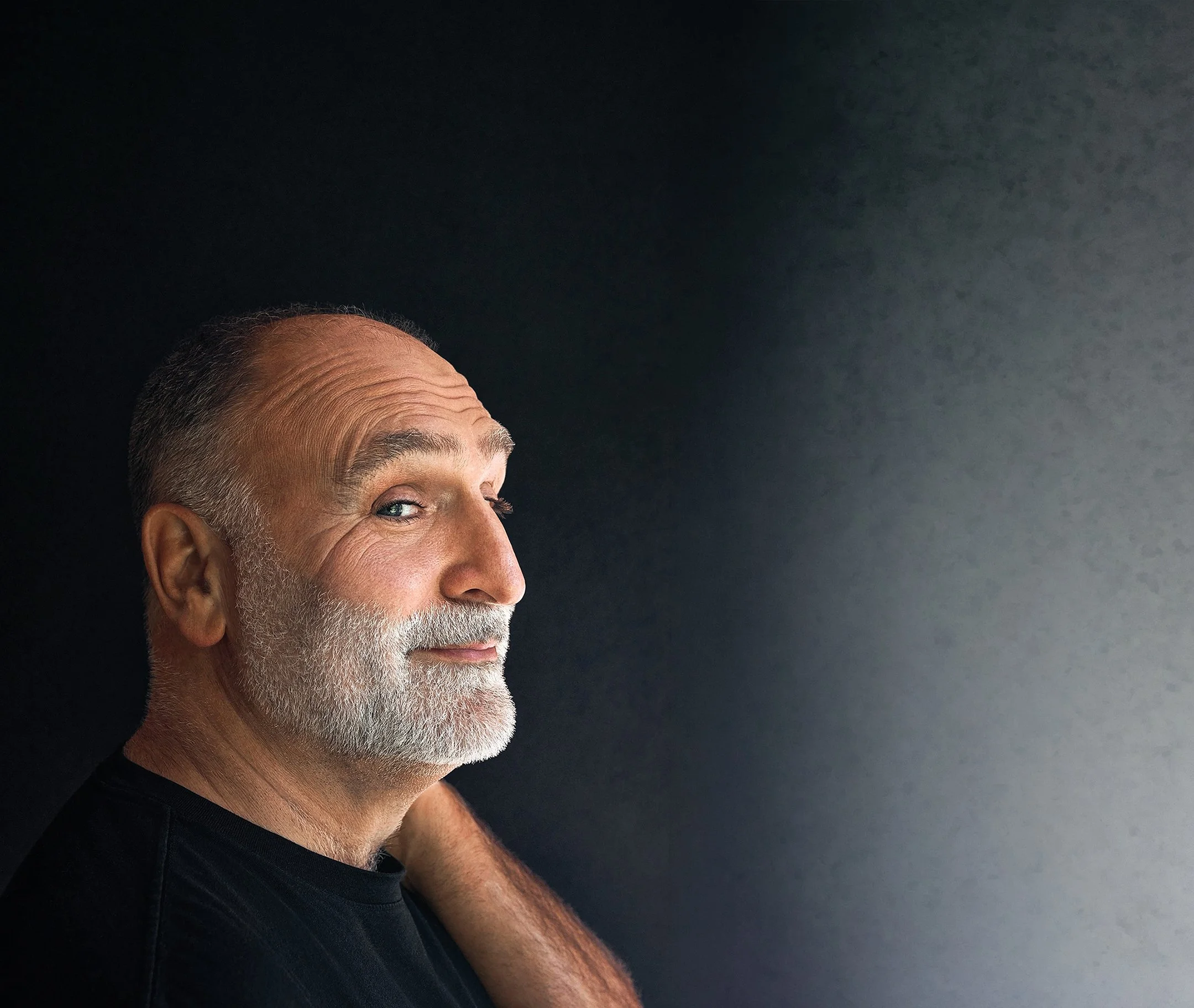
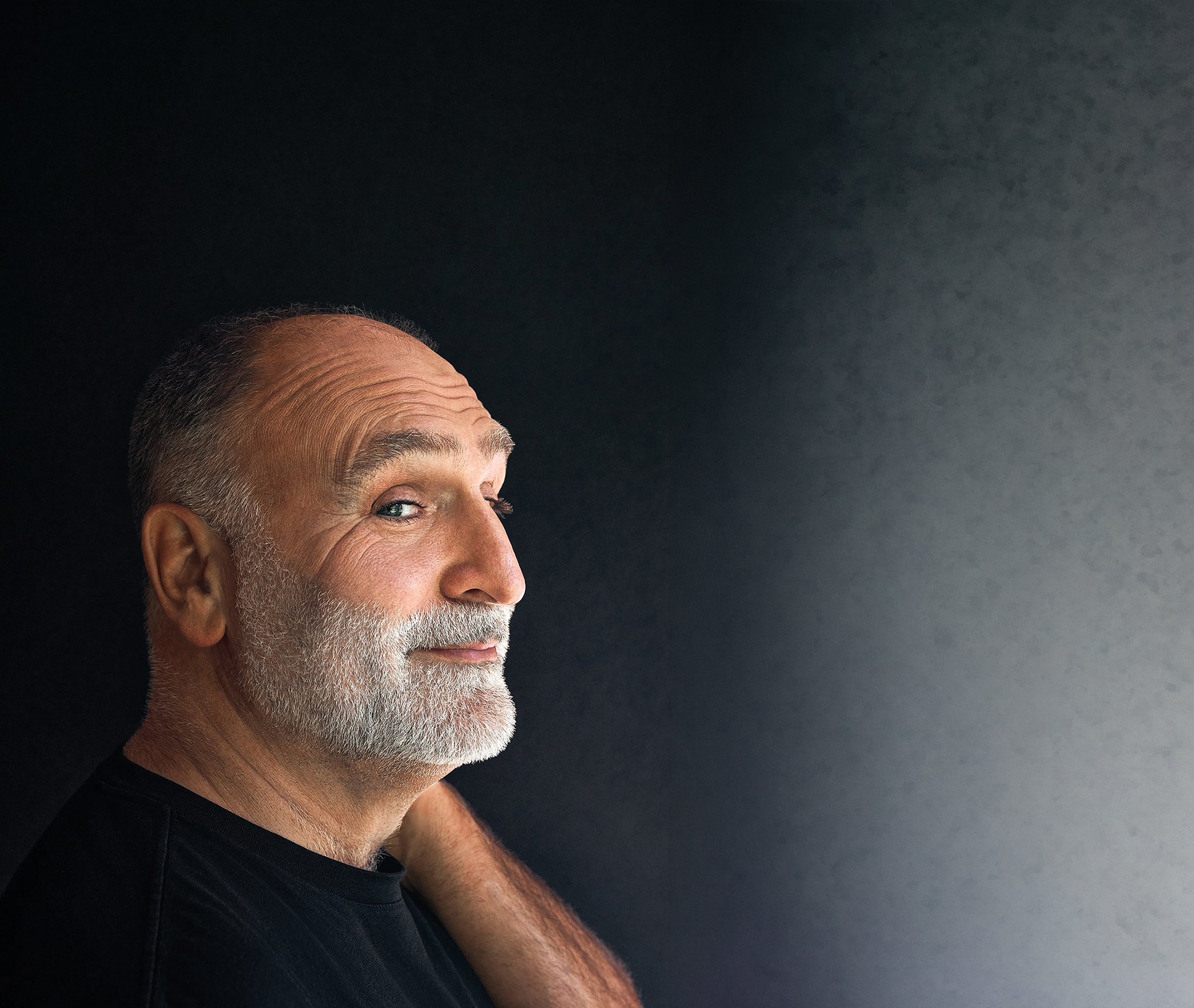
Chef, restaurateur, TV personality, humanitarian: José Andrés has spent a lifetime proving that the ability to feed people, whatever the circumstances, is the most powerful force in the world.
Words by Natasha Were.
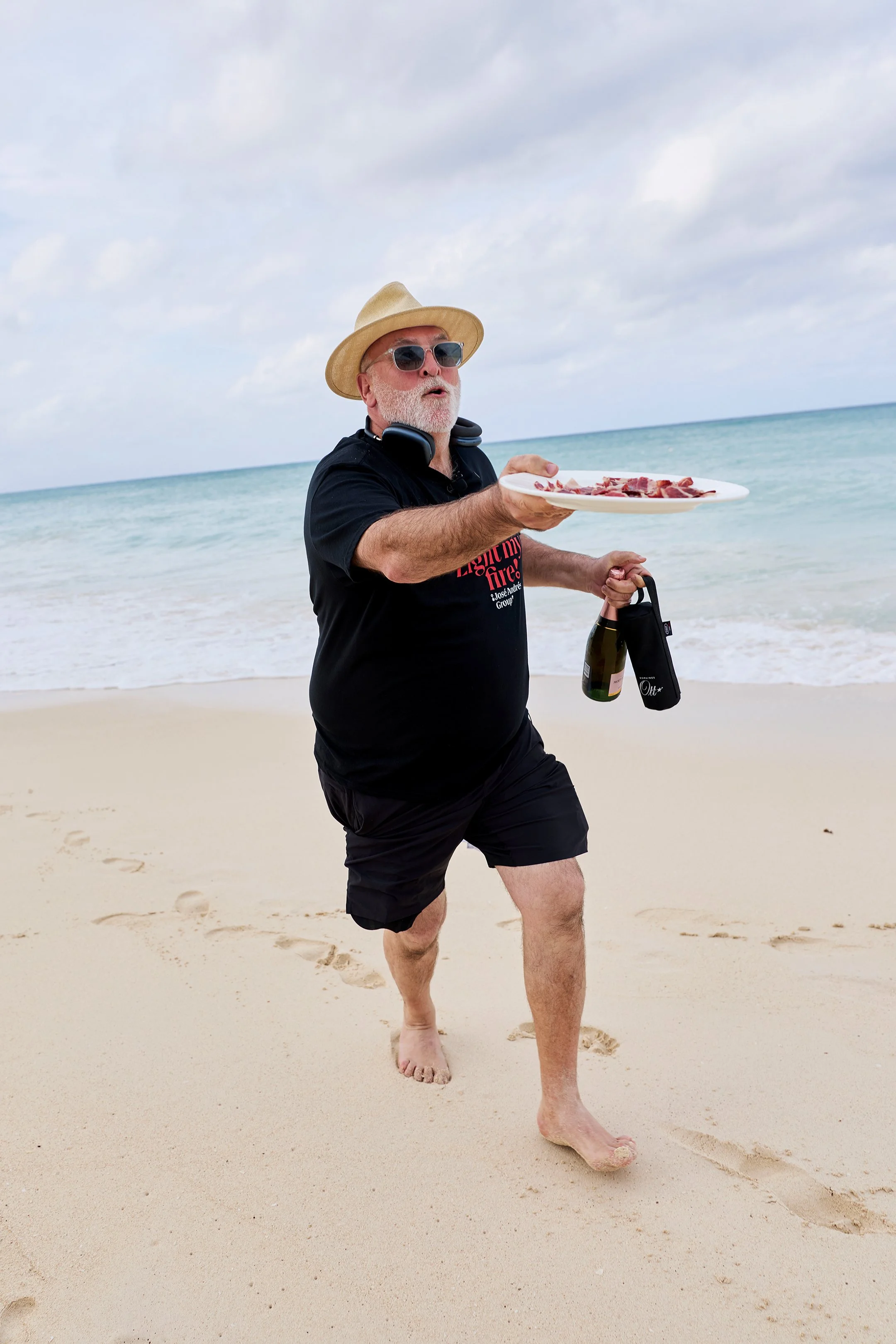
Amuch-anticipated participant at the annual Cayman Cookout, José Andrés always arrives in flamboyant style. He’s made his entrance jumping from a helicopter, emerging from the sea in full dive gear, and this year, tore in at full throttle aboard a car-shaped jet boat. One of the finest chefs of his generation, he is certainly a showman when the occasion calls for it. Yet the motivation that drives him is to do much more than entertain.
The Spanish chef who delights glamorous crowds at the Caribbean’s premier food and wine event is just as likely to be found cooking in the aftermath of a catastrophe – because Andrés holds an unshakeable conviction: that food is a human right and that providing a hot meal to someone in the darkest moments of their life is one of the most profound acts a human being can perform.
LEARNING TO COOK
Growing up in Asturias, northern Spain, weekends meant paella – the world-famous rice dish prepared over an open flame, always in quantities large enough to feed a gathering.
While his father prepared the paella, Andrés’ job was to tend the fire. His father would tell him, “Everyone wants to be in charge of stirring the pot, but if you control the fire, you control everything.” That wasn’t merely a cooking instruction. It was a philosophy for life that the celebrity chef has carried into every venture since.
Lingering over those long, convivial meals, Andrés understood that food was the ultimate connector: it was where family, conversation, and culture were formed. And it was where his future lay.
By 19, he had landed one of the most coveted roles a young chef could dream of: working under Ferran Adrià, the pioneer of molecular gastronomy, at El Bulli. Cooking at the legendary restaurant opened his eyes to what food could be, and two years later, he moved to New York, determined to introduce America to the food of his homeland – Iberico ham, proper paella and the social spirit of tapas.
Dozens of restaurants, Michelin stars, James Beard Awards and, last year, the Presidential Medal of Freedom, followed. But the accolades were never the end goal. As the child of two nurses, being of service was instinctive, and during his time in Washington DC he had volunteered with DC Central Kitchen to feed the city’s homeless. That was when an idea crystallised. “If I had the talent to feed the few,” he says, “surely I could turn that into a talent to feed the many.”
BORN IN THE CARIBBEAN
When Haiti was struck by the devastating earthquake in 2010, Andrés was in Cayman. “I knew I needed to do more – not just watch from a distance,” he says. “So I went to Haiti thinking I could watch and learn. What I saw changed everything. People didn’t just need food – they needed a system that worked, one that respected local culture and could respond quickly.”
Amid the devastation of Port-au-Prince, local families showed him how to prepare black beans their way – an exchange that became a founding principle of World Central Kitchen (WCK), the humanitarian organisation that grew out of that trip.
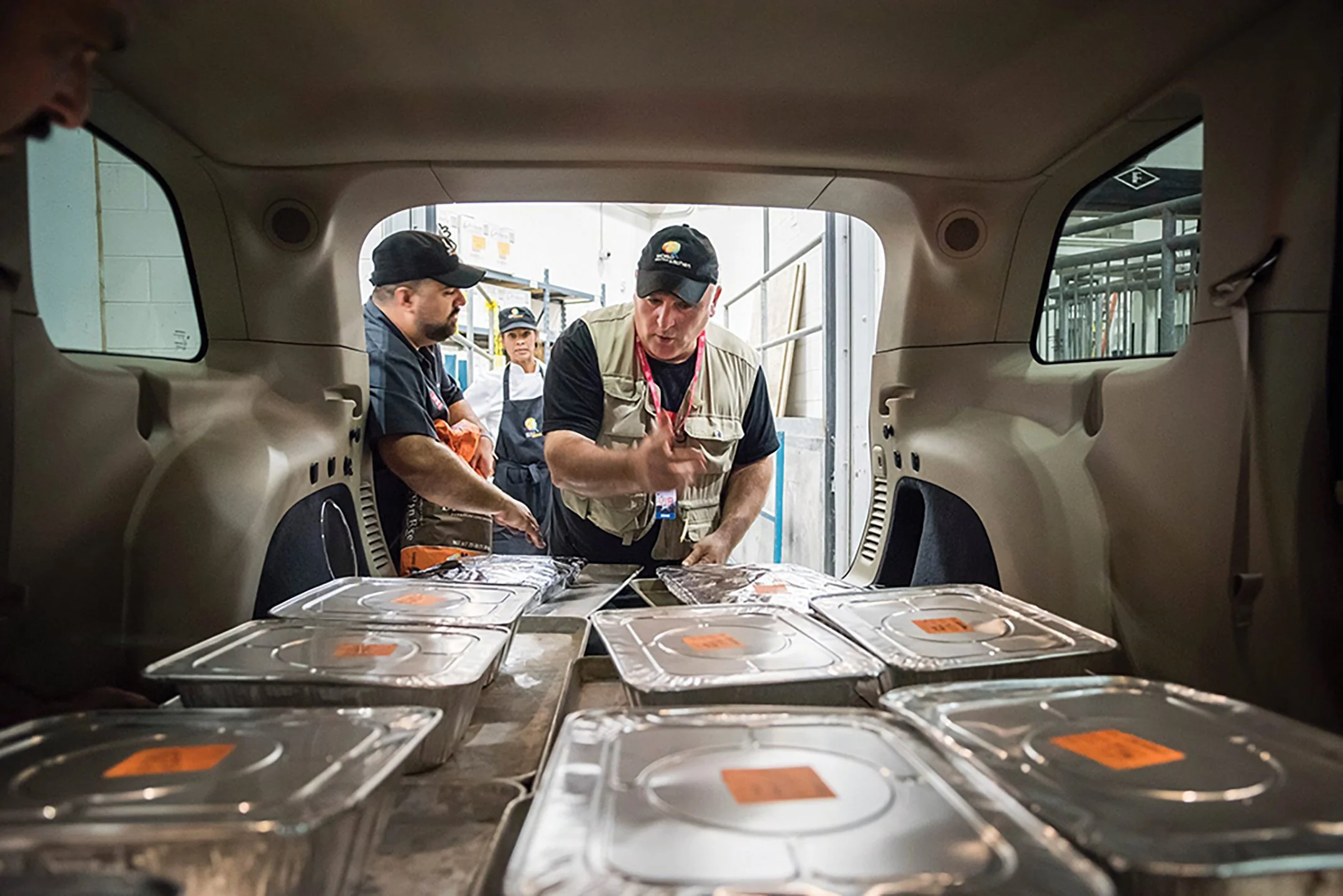
“Food is not just calories – it’s dignity, identity, comfort. When someone has lost everything, a familiar meal can bring a sense of normalcy,” he observes. WCK works with a network of local chefs, restaurants and communities to set up food trucks and field kitchens using locally available produce to prepare meals that are culturally appropriate.
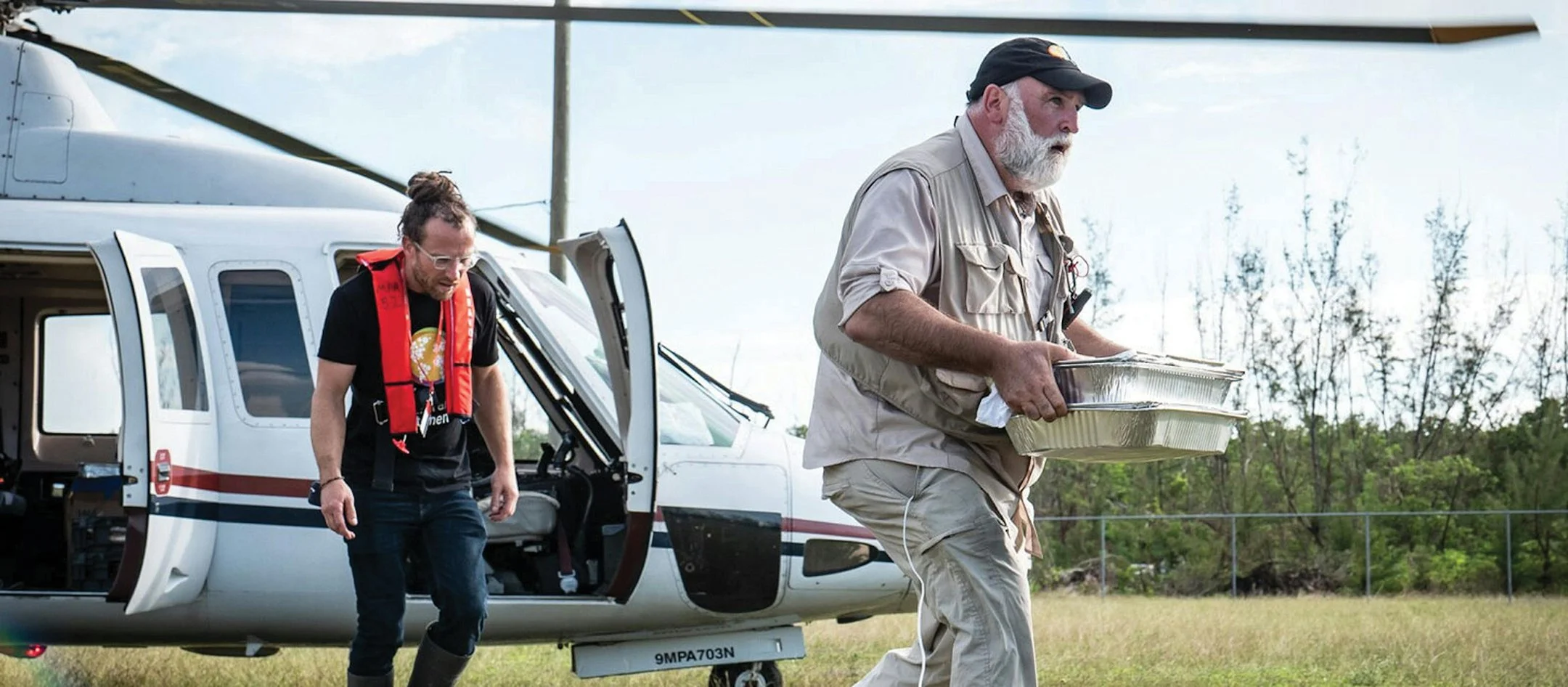
When Hurricane Maria devastated Puerto Rico in 2017, Andrés boarded the first commercial flight to San Juan and began cooking sancocho in a friend’s restaurant. Two years later, he flew by helicopter to the Abaco Islands to deliver thousands of meals to Bahamian communities that had lost everything to Dorian.
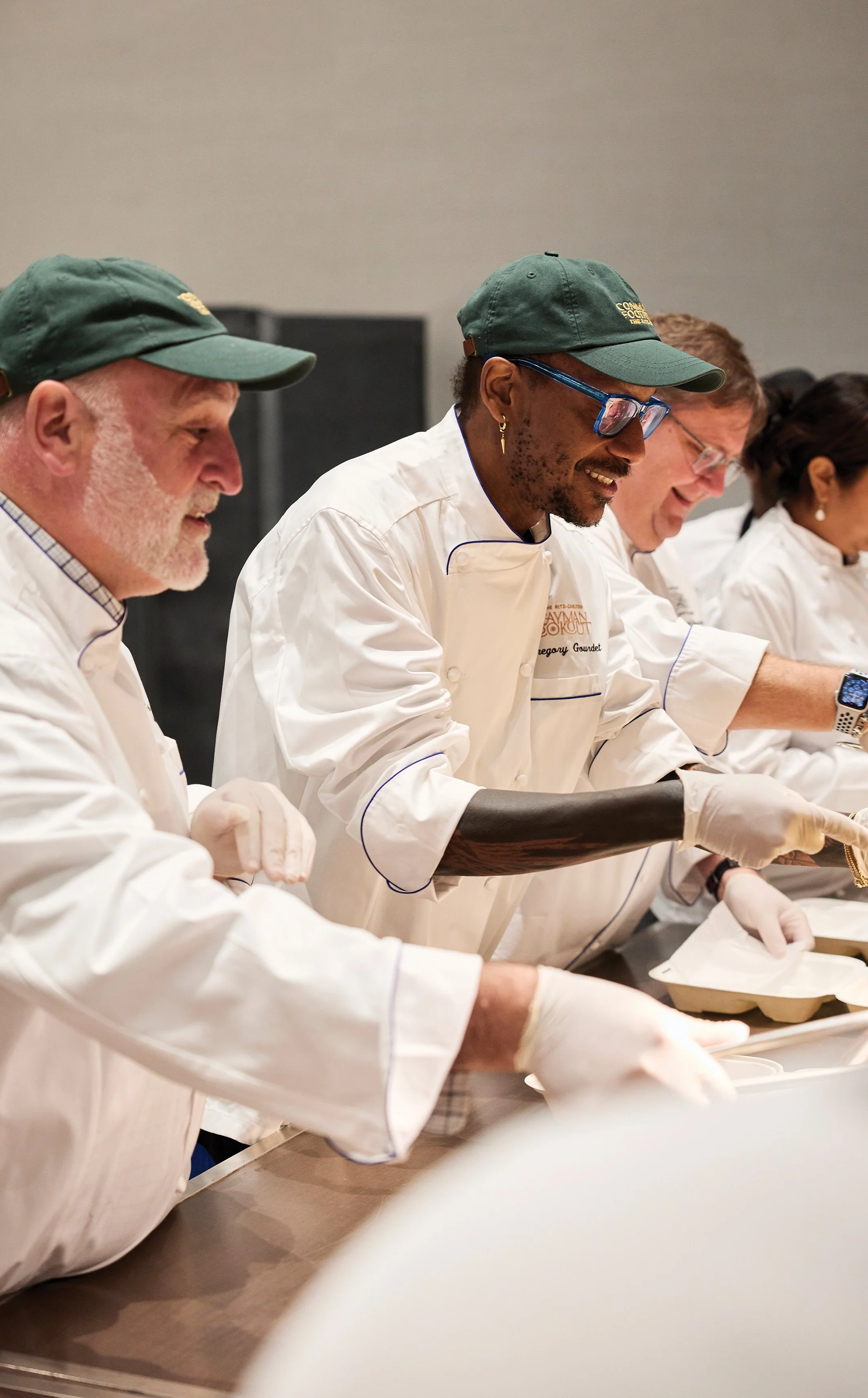
Last year, in the wake of Hurricane Melissa, WCK, supported by the Sandals Foundation, turned a convention centre in Montego Bay, Jamaica, into a space where local cooks could prepare tens of thousands of plates of barbecued chicken and warm, flaky patties daily.
Although WCK was born in the Caribbean, it goes wherever the need is greatest, from wildfires in California to floods in Pakistan and the destruction of Gaza. This year, it marked 600 million meals served.
The key to the organisation’s success is its agility. It does not attempt to implement pre-established solutions; it responds to conditions on the ground. “We don’t plan,” he explains. “We adapt. Because if you plan everything, it can paralyse you.”
For Andrés, adaptability may be the most valuable skill one can possess. Whether you’re missing ingredients for a recipe or operating in a disaster zone, you flex and bend and work with what you have.
COMING HOME TO CAYMAN
The glitz and glamour of the Cayman Cookout may seem at odds with his humanitarian mission – a celebration rather than a crisis – set against a sunny Caribbean backdrop. But whether it’s a high-end event or cooking for those in need, he says, it is ultimately about bringing people together.
Andrés frequently advocates for longer tables, not higher walls. And at a point in history where division – physical, political, cultural – seems only to deepen, eating together is an act of hope.
“When we build longer tables, we create space for people to come together, to share, to understand each other. Higher walls divide us. Longer tables remind us that we have more in common than we think.”
Whether that table is set on the sands of Seven Mile Beach or amid the ruins of a war zone, the goal is always the same. Light the fire, cook the food, make room at the table.
TO LEARN MORE ABOUT CHEF JOSÉ ANDRÉS:
EMAIL info@joseandres.com
CLICK www.joseandres.com
TO LEARN MORE ABOUT CHEF JOSÉ ANDRÉS:
EMAIL info@joseandres.com
CLICK www.joseandres.com