
DESIGNING FOR RESILIENCE – BUILDING SMARTER TO WITHSTAND FLOOD RISKS
PPDS CAYMAN ISLANDS LTD.
REAL REPORT | DESIGNING FOR RESILIENCE – BUILDING SMARTER TO WITHSTAND FLOOD RISKS
PPDS CAYMAN ISLANDS LTD.
The Cayman Islands are on the frontline of increasingly powerful hurricanes and coastal flooding as a result of climate change. While strong building codes and sound construction help protect life and property, true protection requires going further – by weaving flood-resistant design into the earliest stages of the development process.
True resilience begins long before the first block is laid. The most effective measures to safeguard homes, maintain access and protect ecosystems are established through early planning and design, when site layout, building form and landscaping are first determined.
From individual buildings to entire subdivisions, the following strategies will reduce flood-risk and enhance durability across Cayman’s built environment.
Building form
Cayman’s housing stock is dominated by single-storey dwellings, particularly in subdivisions, largely out of tradition and convenience, despite multi-storey designs often being more space-efficient and cost-effective. Single-storey homes, however, provide no elevated refuge during flooding or storm surge. Including an upper floor improves household safety and reduces storm impacts.
Even modest upper-level spaces such as bedrooms or lofts provide protection above flood levels. For existing homes, adding a partial second storey during renovation is a practical way to build resilience.
Elevation and wash-through design
The Development and Planning Regulations (2024 Revision) (DPR) require finished floor levels of seven feet above mean sea level (AMSL) near the sea or canals and five feet AMSL elsewhere. These minimums are essential, yet modest extra elevation can further reduce flood risk.
For coastal parcels, open ground-floor areas that allow water to pass beneath structures help relieve pressure and limit damage. This approach suits Cayman’s architecture and provides undercroft space for parking or storage that can safely accommodate water movement.
Managing water on site
Heavy rainfall and surface flooding can cause as much disruption as coastal surge. In the absence of a national flood management plan, site design plays a key role in reducing local impacts.
Permeable paving, grass pavers and gravel driveways slow runoff and allow infiltration. Swales and small retention basins capture and slow water, helping it soak into the ground rather than pooling around buildings. Site grading should direct water away from structures while maintaining natural drainage across lot boundaries.
Preserving natural defences
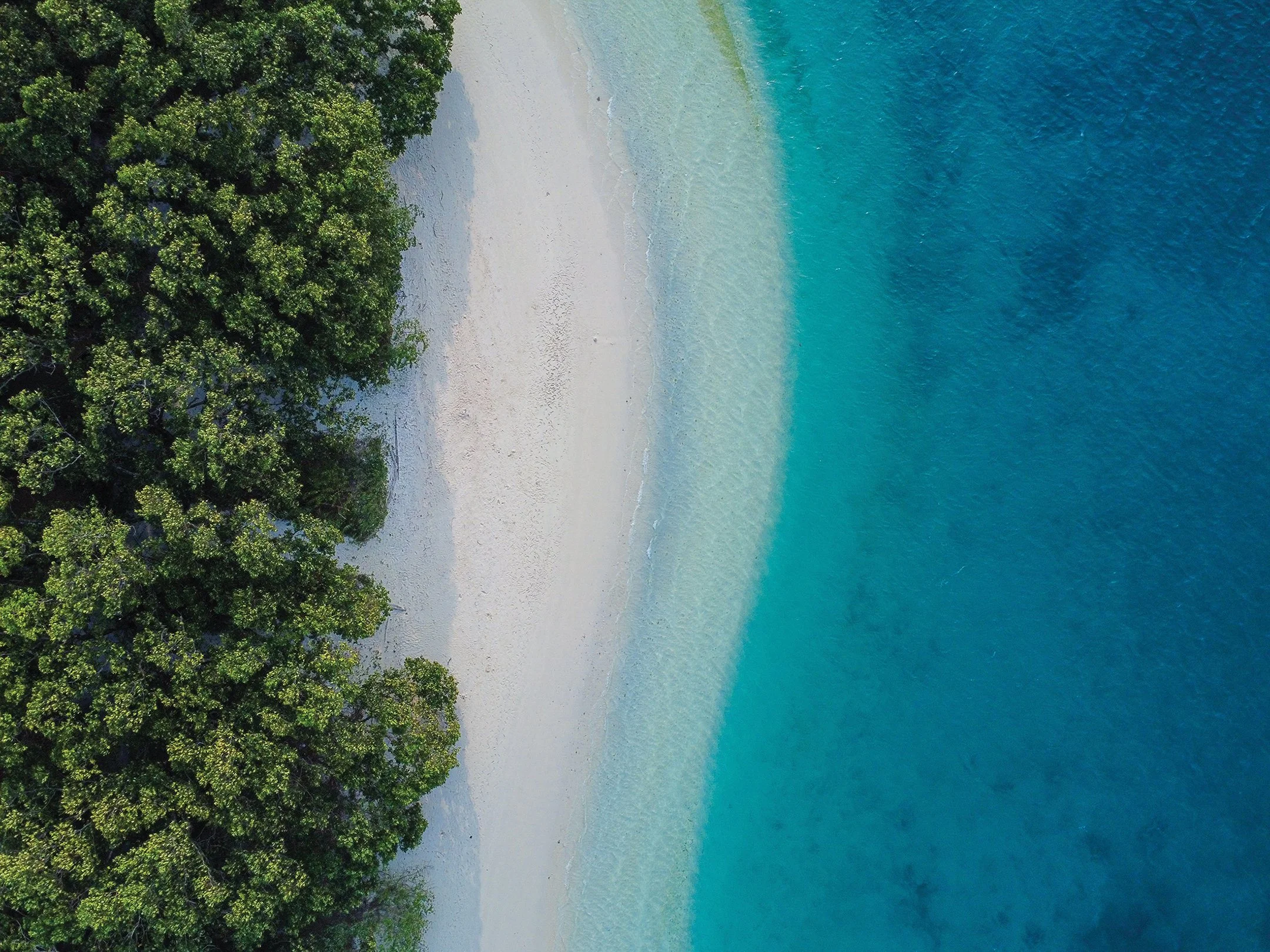
Cayman’s coastal ecosystems remain among its strongest defences. Mangroves act as sponges and shock absorbers, dissipating wave energy and stabilising shorelines. Retaining mangrove belts on coastal sites enhances long-term stability, biodiversity and erosion control.
Where seawalls exist, homeowners can adopt a living shoreline approach by supplementing them with mangrove fringes or salt-tolerant vegetation. These buffers soften hard edges, reduce erosion and improve ecological value. Native landscaping also aids recovery after storms, as indigenous plants are typically more salt-tolerant, drought-resistant and wind-resilient.
Designing resilient communities
Resilience is most effective when addressed at the subdivision level. Developers should plan shared drainage and retention areas, integrating green spaces that serve both recreational and flood management purposes.
Elevated or well-drained access roads help ensure communities remain accessible during heavy rainfall. In low-lying areas, coordinated drainage systems with interconnected swales and retention ponds reduce surface-water risk. Early collaboration between planners, engineers and architects encourages practical design and prevents costly retrofits later.
Working with the landscape
Each development should begin with an understanding of the site’s natural drainage, elevation and exposure. Designing around these conditions rather than over them reduces risk and supports long-term resilience.
Clustered layouts that preserve mangrove corridors and maintain overland flow paths create sustainable neighbourhoods. Similarly, adopting coastal setbacks beyond the minimum required by the DPR provides a safety margin as sea levels continue to rise.
Building for the future
Preparing for future climate impacts is not about alarm but adaptation. Integrating flood-resilient design early in the planning process strengthens communities, protects investments and supports Cayman’s commitment to sustainable growth.
FOR MORE INFO, CONTACT JESS PEACEY AT PROFESSIONAL PLANNING AND DEVELOPMENT SERVICES LTD (PPDS), CAYMAN ISLANDS:
Call: 345.925.3870 or 345.746.4995
Email: info@ppdscayman.com
Visit: www.ppdscayman.com
FOR MORE INFO, CONTACT JESS PEACEY AT PROFESSIONAL PLANNING AND DEVELOPMENT SERVICES LTD (PPDS), CAYMAN ISLANDS:
Call: 345.925.3870 or 345.746.4995
Email: info@ppdscayman.com
Visit: www.ppdscayman.com