
DESIGN | THE SAND ROOM
DESIGN | THE SAND ROOM
Words by Natasha Were.
Keeping the Beach Where it Belongs.
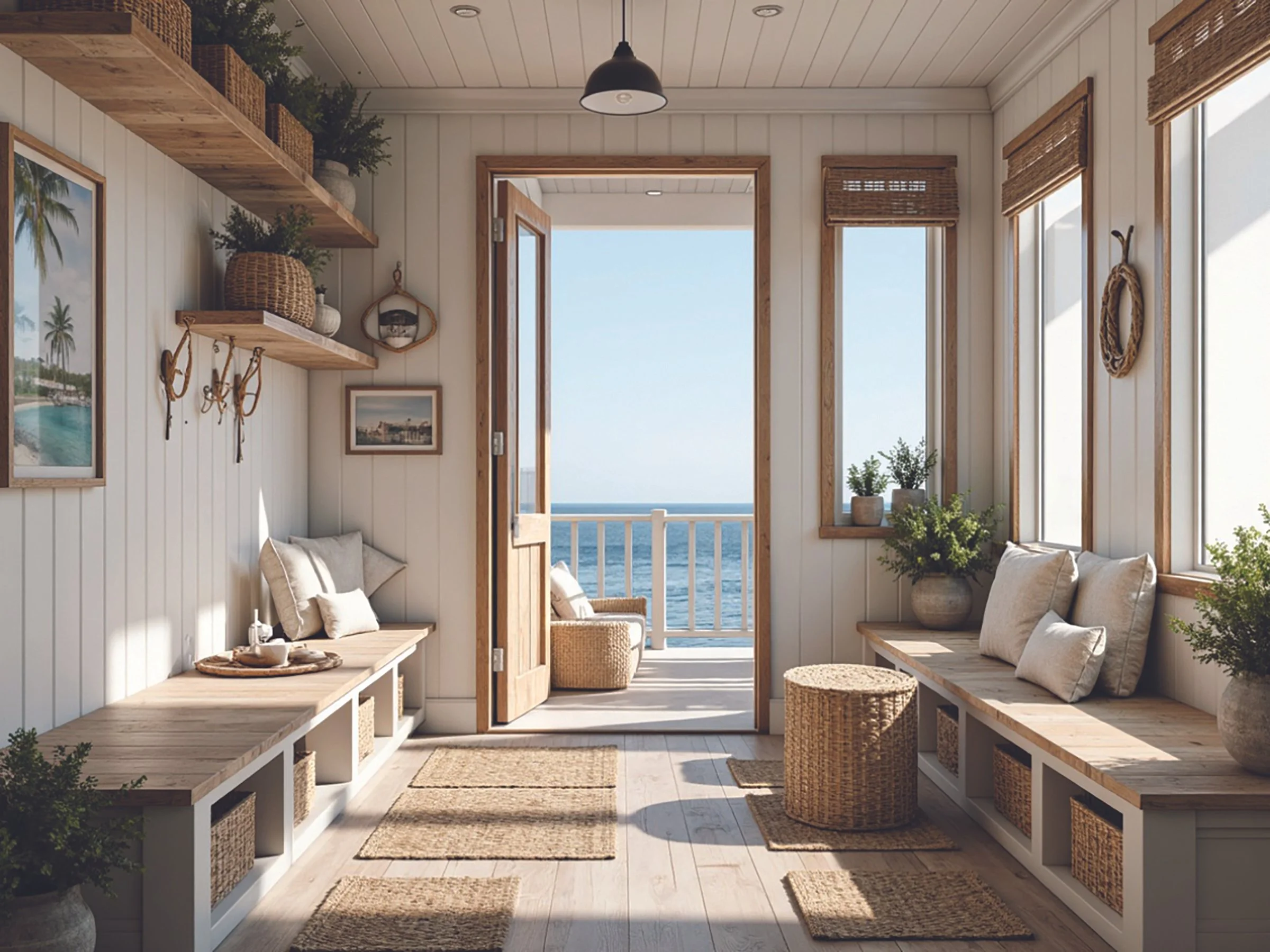
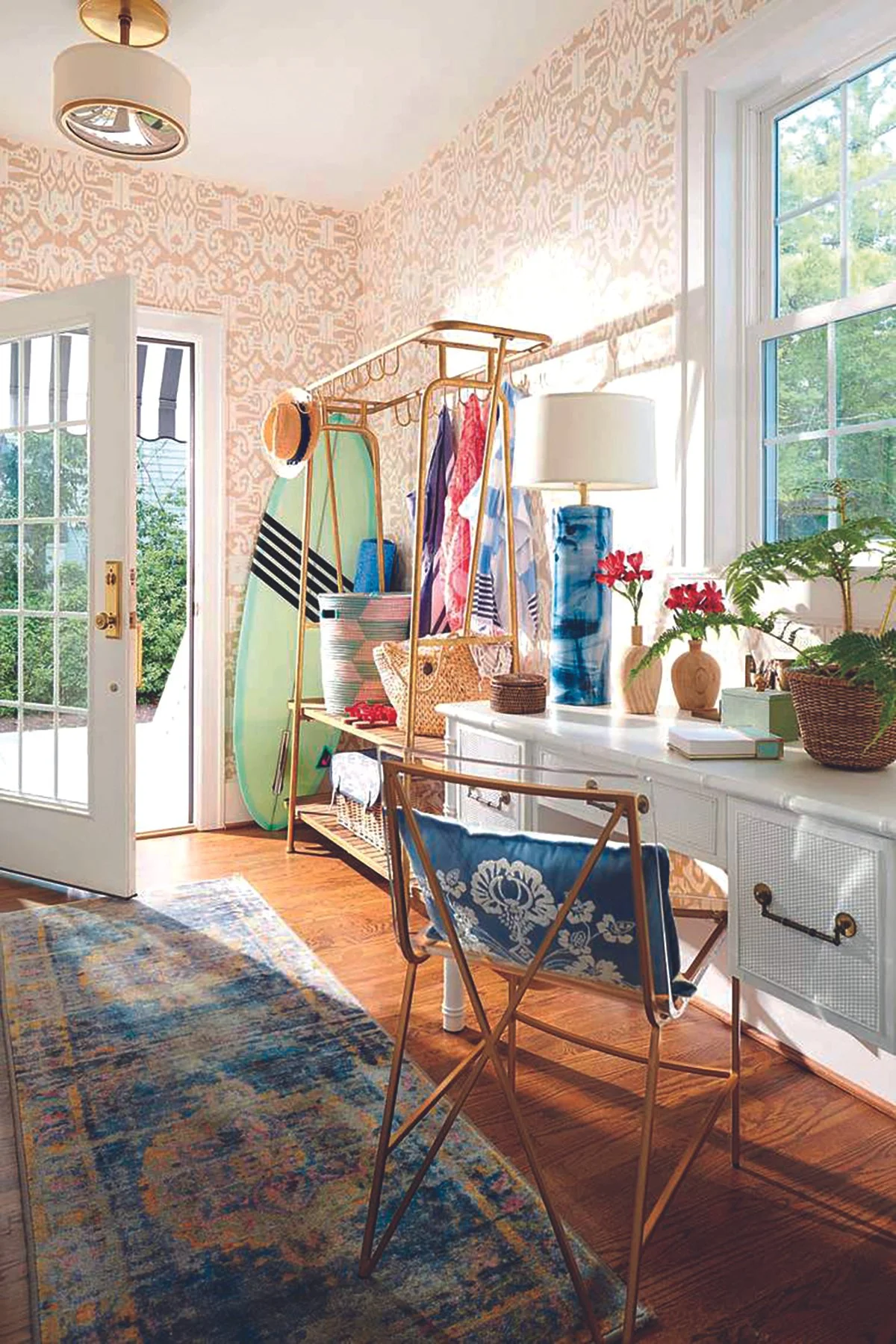
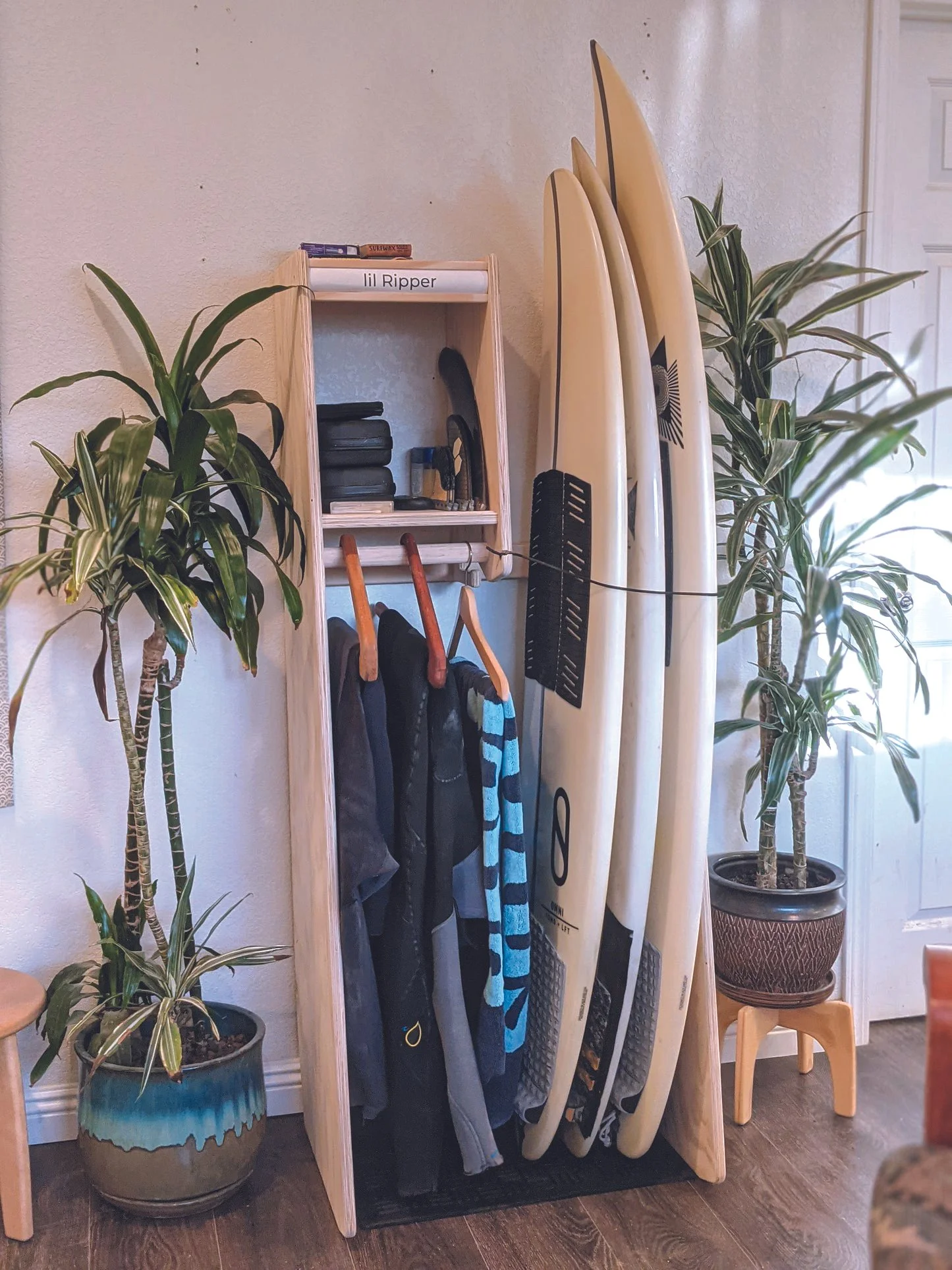
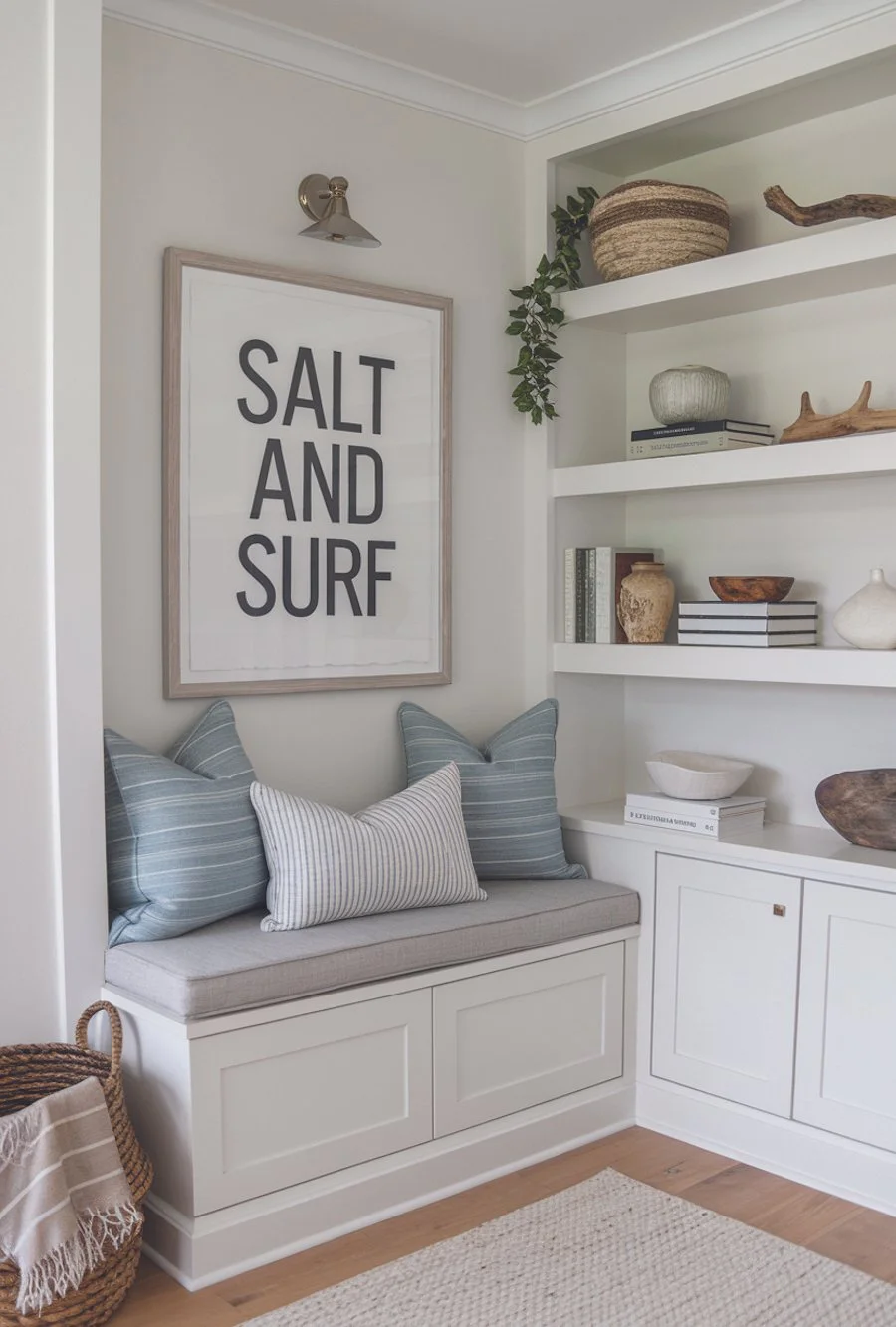
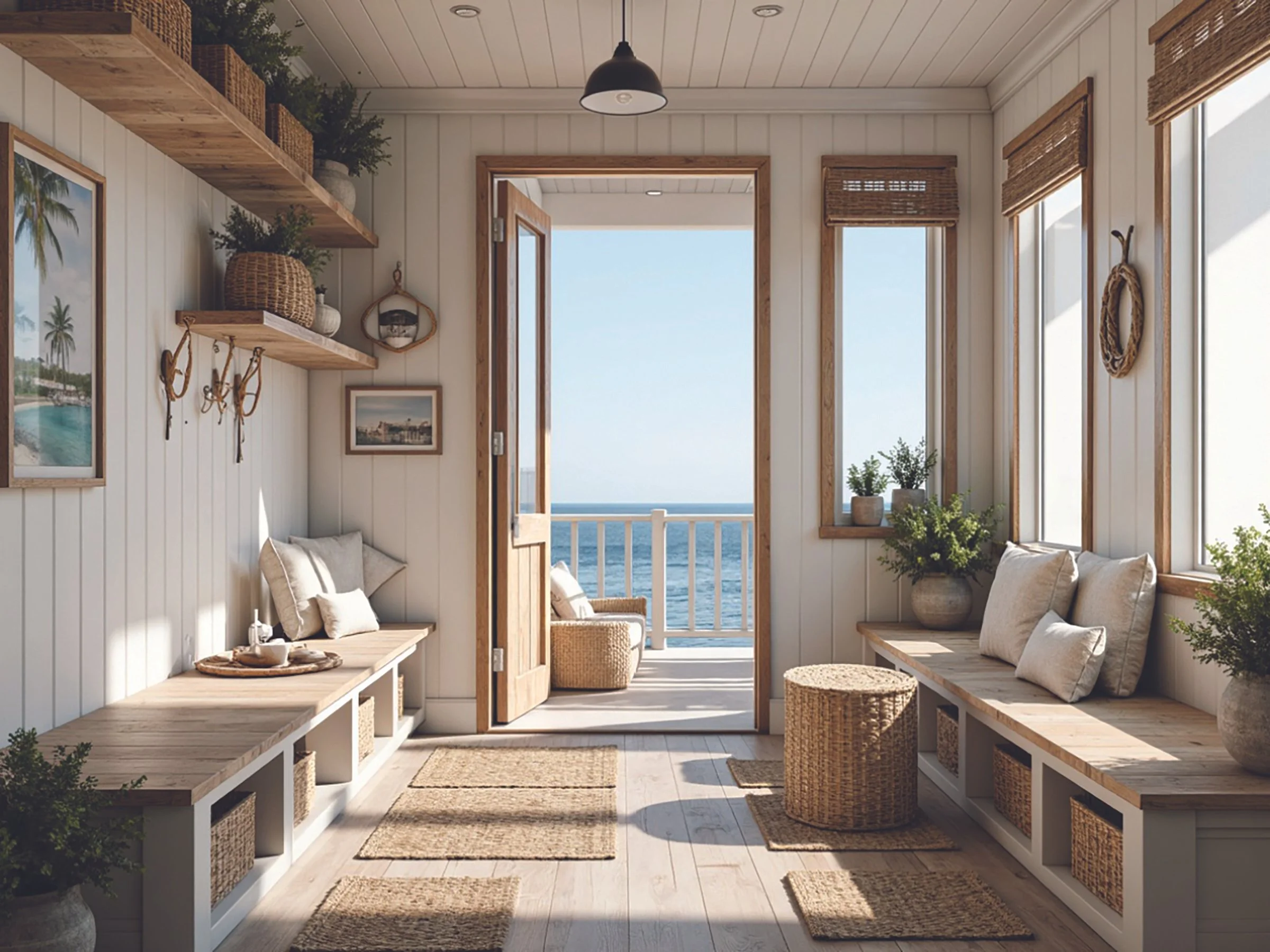
In homes where open-plan living reigns, the inevitable question is: how do you stop sandy towels, snorkel gear and damp swimwear from spilling into your serene living spaces? Enter the 'sand room' – a Caribbean twist on a mudroom – a breezy transition zone that keeps salt and sand at bay, controls the clutter of daily life and separates beach life from home life.
Design for the Way You Live
To create a functional sand room, think about how you really live. Do you need space for school bags and sports kits? Storage for surfboards or dive gear? Somewhere to rinse sandy feet or wash the dog? Whether carved out of an existing space or designed in from the start, a sand room works best when it’s tailored to your family’s rhythms and hobbies.
Ideally, it should have its own exterior door, so your main entrance stays clean and dry. Aim for a minimum of five feet in width to allow space to move comfortably and natural light and ventilation to keep the space bright and fresh.
The Essentials
Every sand room needs a bench – a cushioned perch to kick off sandy shoes or lace up trainers. The sweet spot is around 18 to 20 inches high and at least 16 inches deep, with shoe storage tucked neatly below and hooks for bags and hats above.
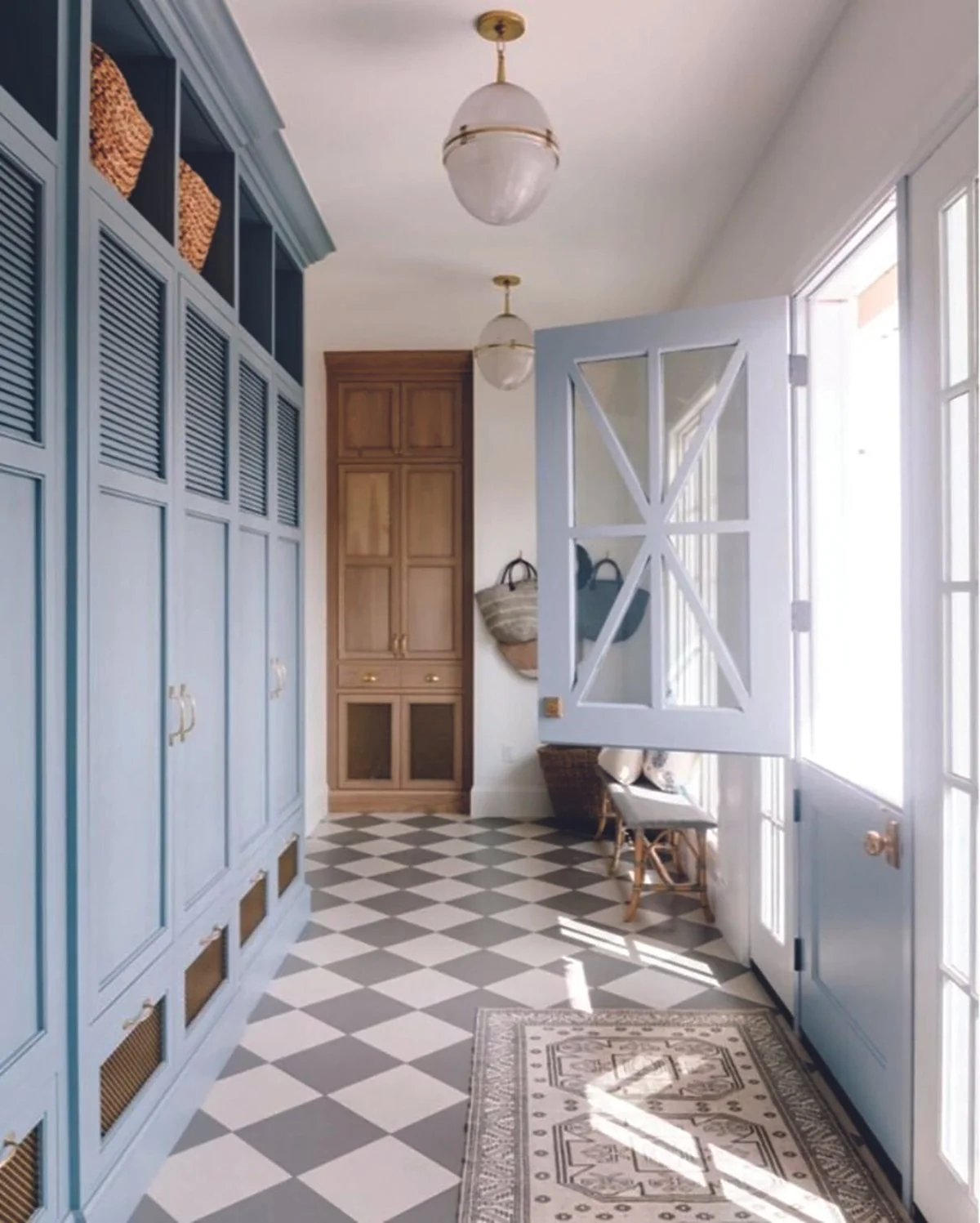
A mix of open cubbies and closed cabinetry keeps chaos contained. Open shelves provide quick access to daily essentials such as sunscreen, towels and snorkel gear – which can be stored in baskets and boxes for a clean, uncluttered appearance – while tall cupboards are invaluable for storing boards, paddles and bulky sports equipment. Louvred doors or mesh panels are essential to avoid trapping moisture and inviting mildew.
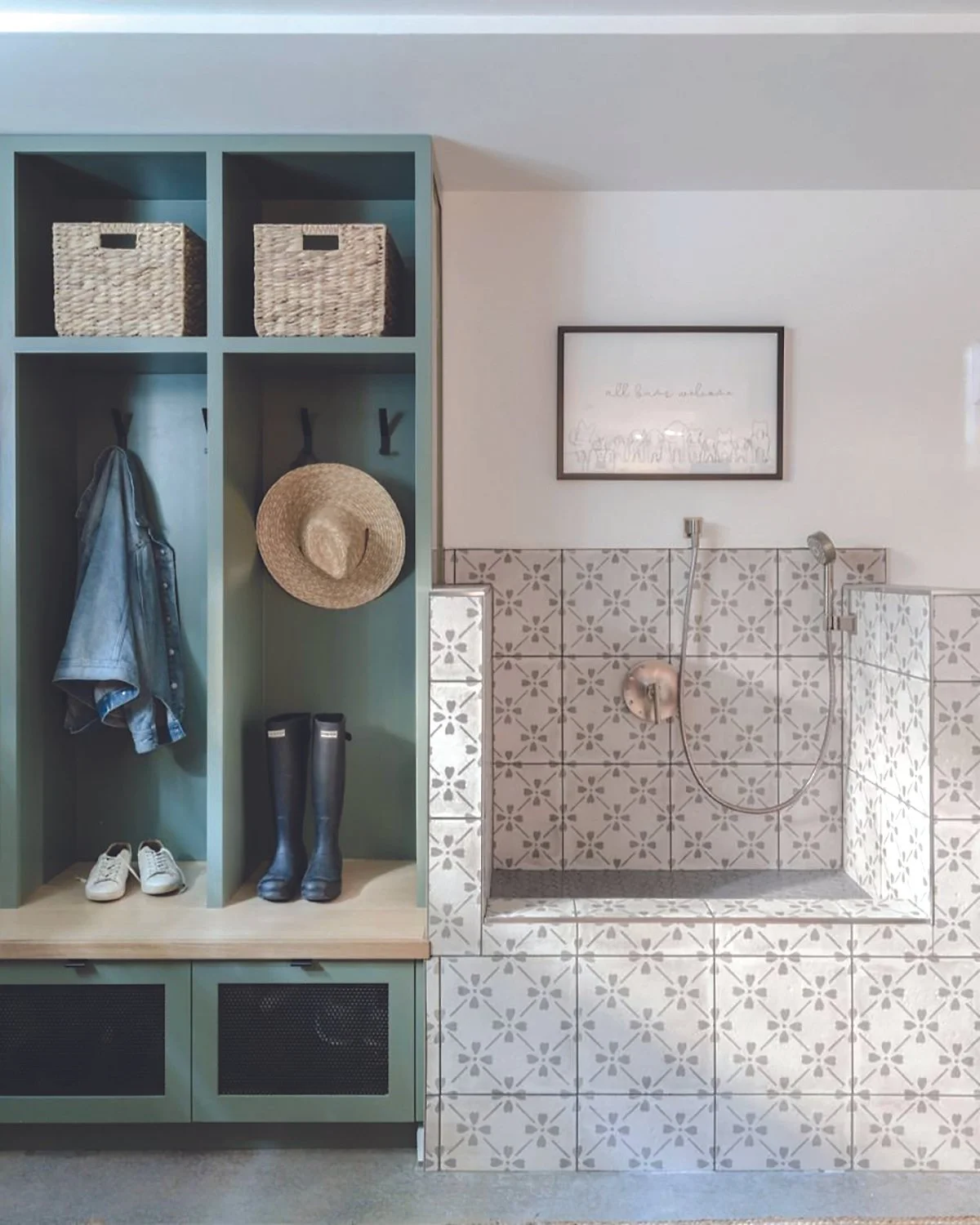
If possible, include a rinsing station. An outdoor shower is ideal for washing off salt and sand before you step inside, but a deep indoor sink is best for rinsing gear and pets alike. Drying racks for towels, heavy-duty hangers for wetsuits and a spot to hang mesh beach bags ensures everything will dry out.
Build with Salt and Moisture in Mind
Salt and moisture are impossible to avoid, so choose materials that stand up to both. Opt for slip-resistant porcelain tile or polished concrete floors, with a flush threshold and ideally a linear drainage channel to make it easy to hose down and sweep out. Choose marine-grade plywood for cabinetry and stainless steel, brass or bronze for hooks, handles and hardware.
Use mildew-resistant paint and never store damp items in sealed spaces. Install ceiling or exhaust fans and louvred doors, and open windows regularly to keep air moving and ensure your gear dries, ready for your next adventure.
Design Harmony
Practical doesn’t have to mean plain. Carry your home’s design language through this space with cabinetry in the same style, or tones that harmonise with your current colour scheme. Use decorative items like patterned tiles and distinctive hardware to introduce character and choose wallpaper and woven baskets in natural materials to elevate the space from utilitarian to intentional.
Smart Additions
Add clever touches that make everyday life easier: charging ports for cameras and devices; a cubby for pet food, leashes and toys; a dedicated spot for keys and mail and a full-length mirror – both to brighten the room and for that last look before you head out.
A Gateway to Serenity
The perfect sand room isn’t about magazine-style order – it’s about making your life easier. The best sand room works hard so you don’t have to: it’s the buffer that keeps the chaos of coastal living outside, while inside everything feels calm, ordered and effortlessly relaxed.