
DESIGN | THE KITCHEN BACKSPLASH:
SMALL SURFACE, BIG IMPACT
DESIGN | THE KITCHEN BACKSPLASH:
SMALL SURFACE, BIG IMPACT
Words by Natasha Were.
Ask any interior designer how to add a little character or refinement to a kitchen, and the backsplash is likely to be top of the list. A backsplash can be the design element that subtly ties the whole room together, or the slightly daring choice that packs a visual punch.
With so many options for colour, pattern and style, choosing the right backsplash can feel overwhelming, but the following tips should help narrow it down.
LEAVE IT TO LAST
It may be the first thing people notice when they walk into a kitchen, but the backsplash should be the last element you choose. There are far fewer options for countertops and cabinetry than there are for backsplashes, so selecting those first not only narrows down your backsplash choices but also ensures it works with the rest of the design.
CONTINUITY OR CONTRAST
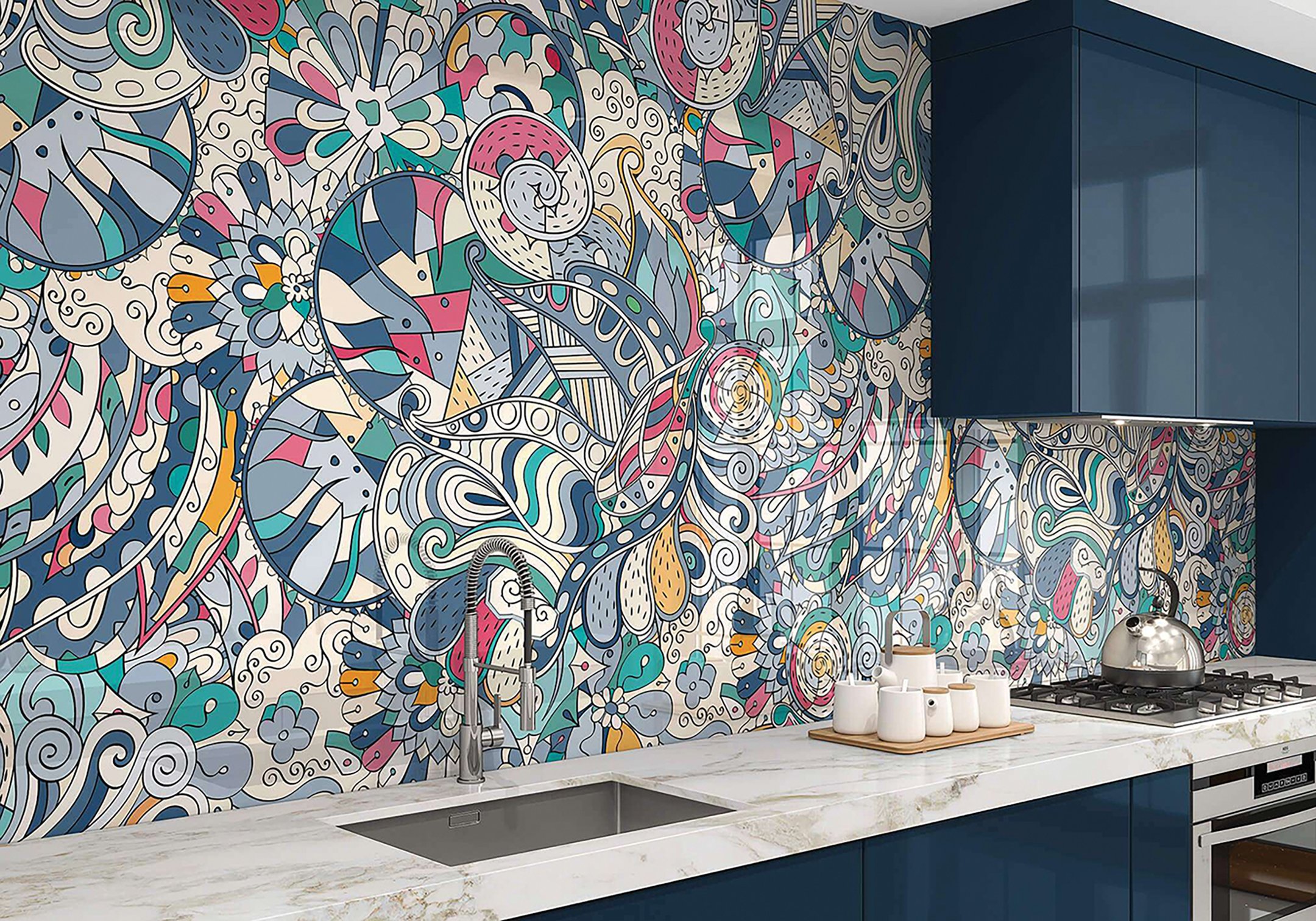
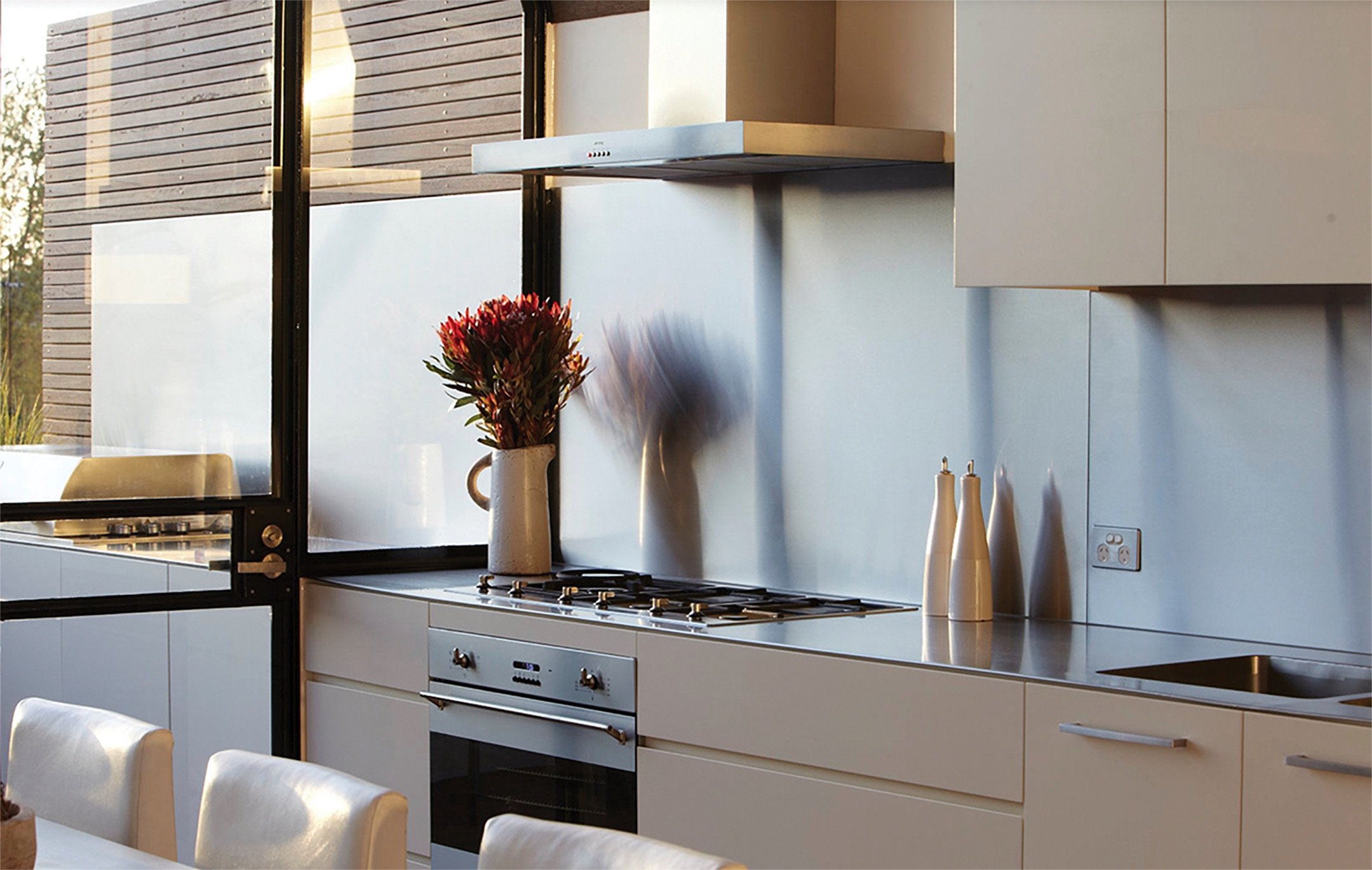
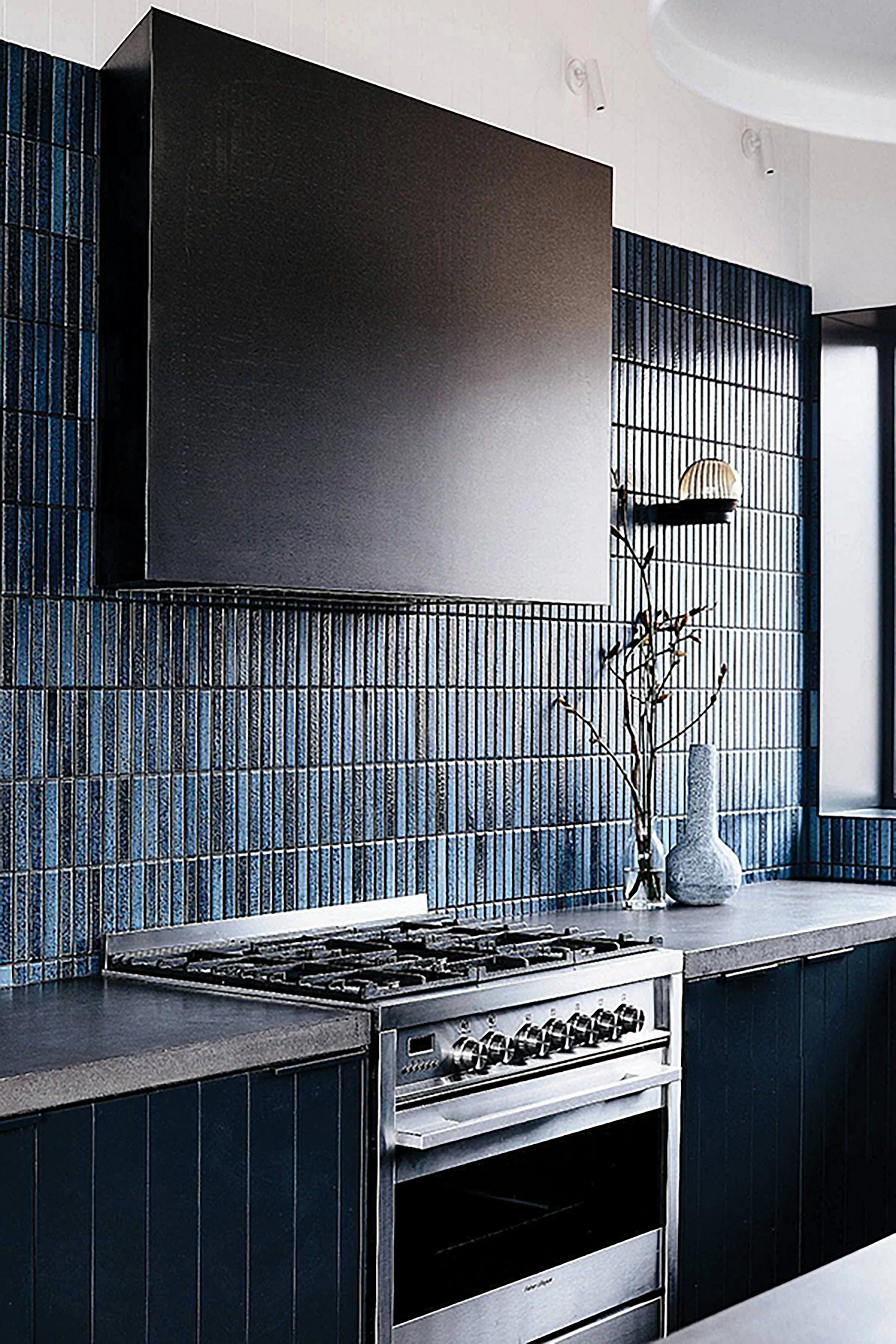
Decide whether you want your backsplash to blend in or stand out. If your countertops are already dramatic – strong veining, a bold colour, a striking material – keep the backsplash simple, or you risk visual overload. If your cabinetry and countertops are simple, the backsplash is where you can have some fun. A strong colour, a rich pattern, or textured tiles can make it a genuine focal point and give the space real character.
GO FULL HEIGHT – WITH CARE
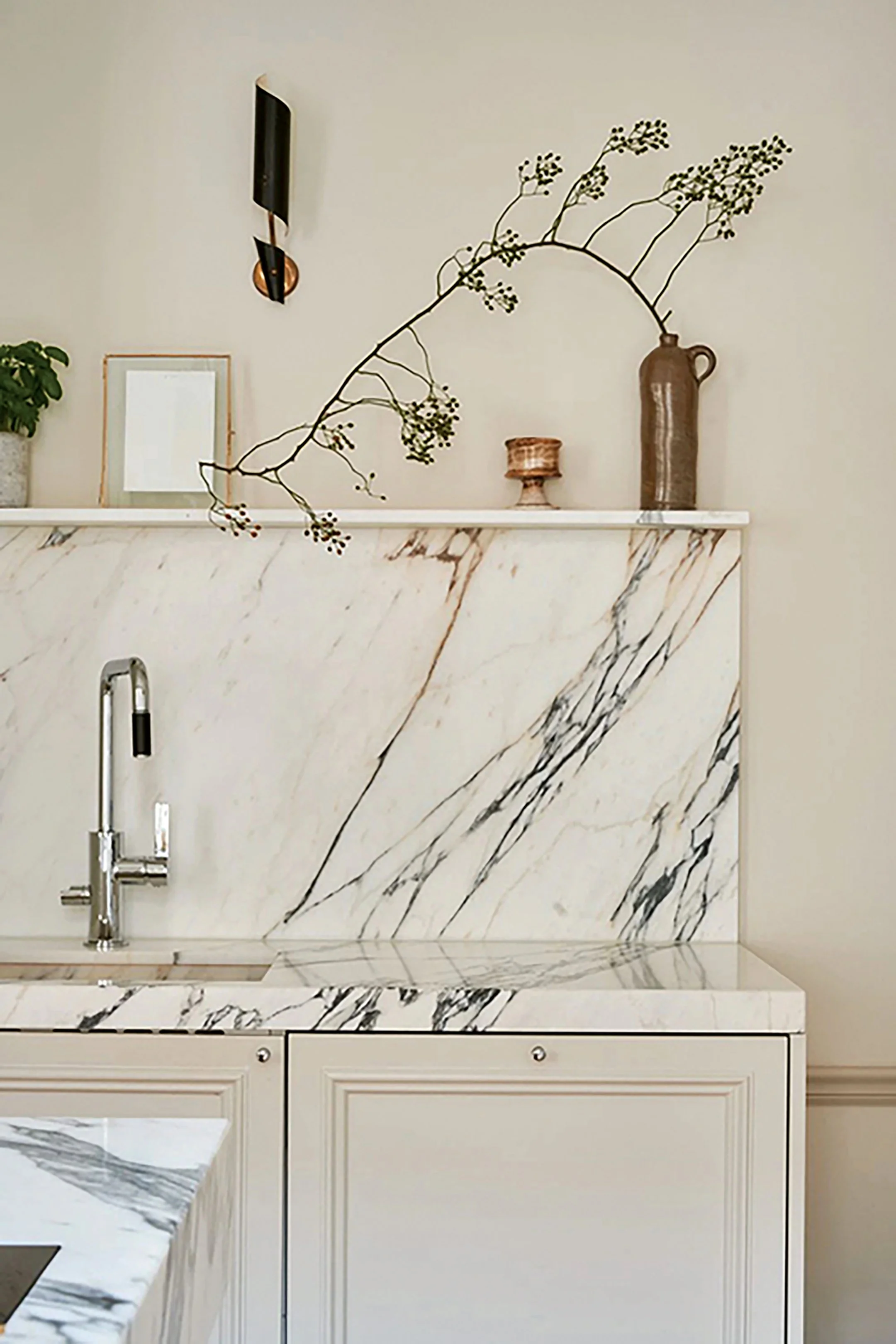
Extending the same material from countertop to ceiling, particularly with natural stone or large-format porcelain, has become popular in recent years. It creates a seamless, sophisticated look and makes a strong impression – but as a design feature, it should be used with restraint.
If you also have a waterfall edge island, where the countertop material flows down to the floor, avoid combining it with a full-height backsplash in the same material. Choose one hero moment: full height or waterfall edge – not both.
LET THE COUNTERTOP LEAD
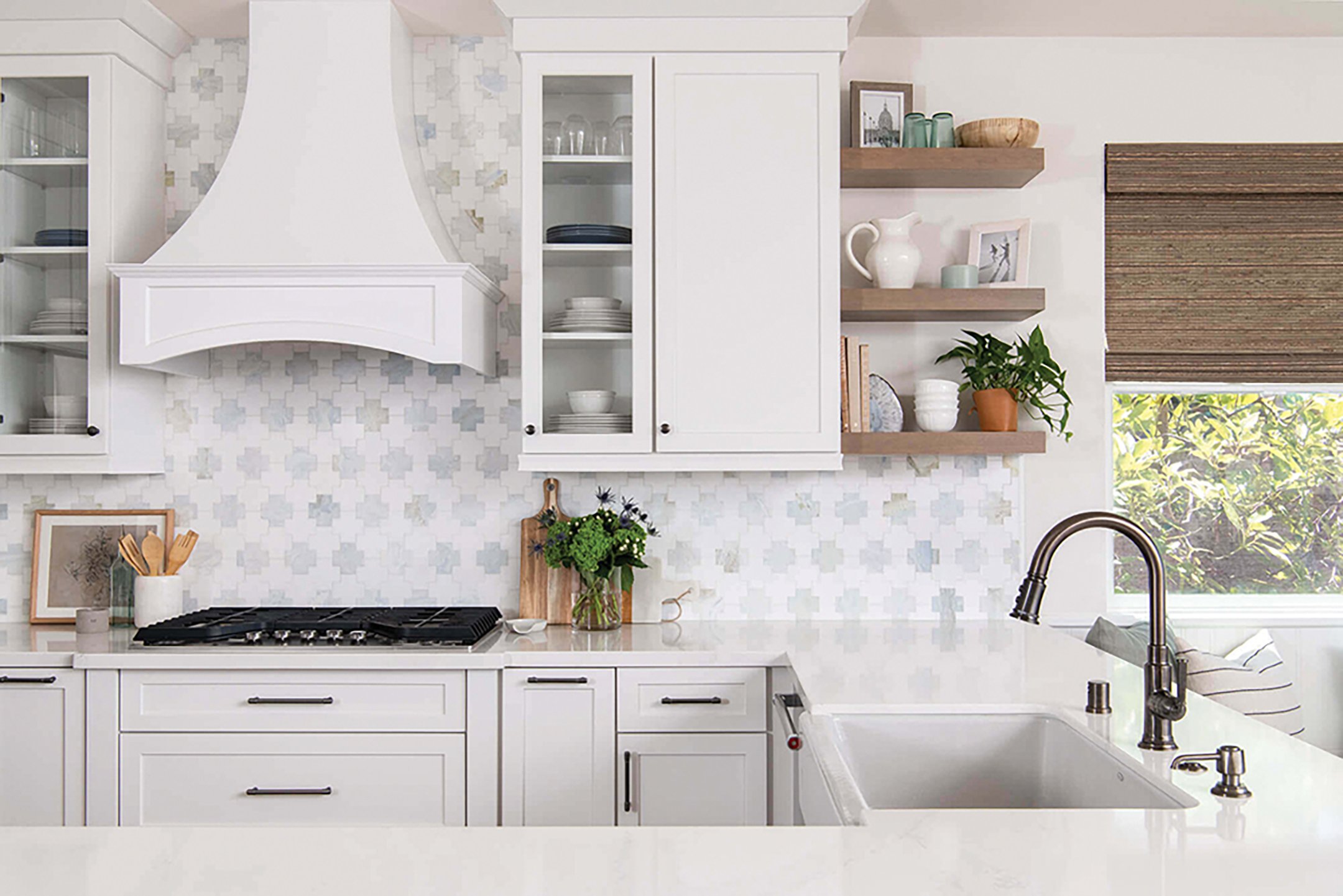
If you want a connection between countertop and backsplash without an expanse of the same material, look for a secondary colour in the veining or pattern and choose tiles in that tone. It creates a common thread between the two surfaces without being matchy-matchy.
SIZE MATTERS
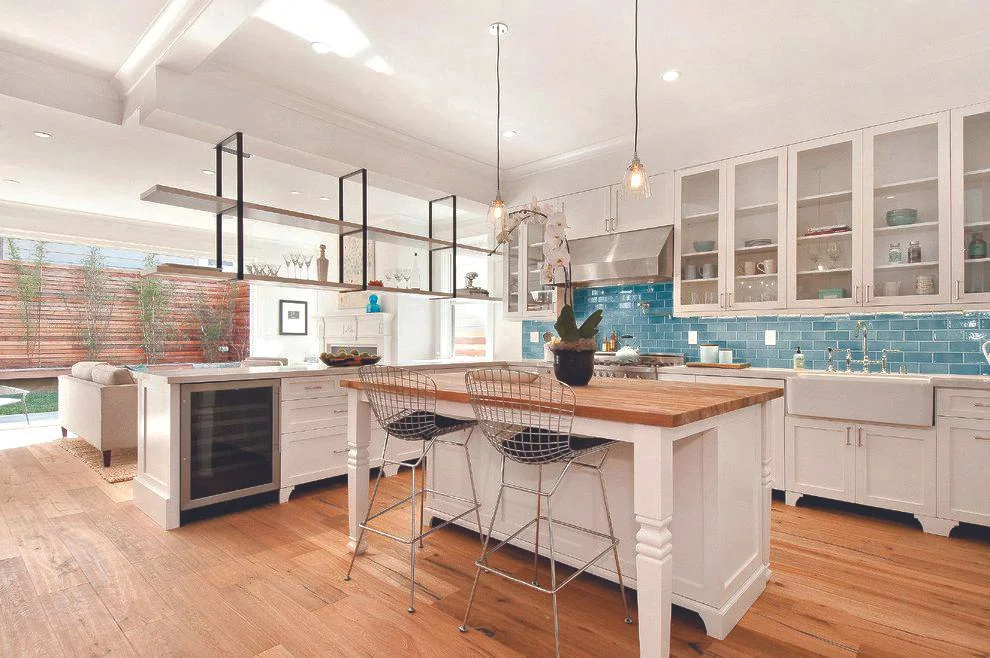
Large-format tiles in a small kitchen can feel oppressive; tiny mosaic tiles across a large wall can look restless and busy. So choose your tile size with the available surface area in mind.
If you’re opting for a repeating pattern, also consider how a large pattern will look in tighter spots – beneath wall cabinets or around window ledges. A pattern that gets awkwardly cropped can undermine the whole effect.
PLAY WITH LAYOUT
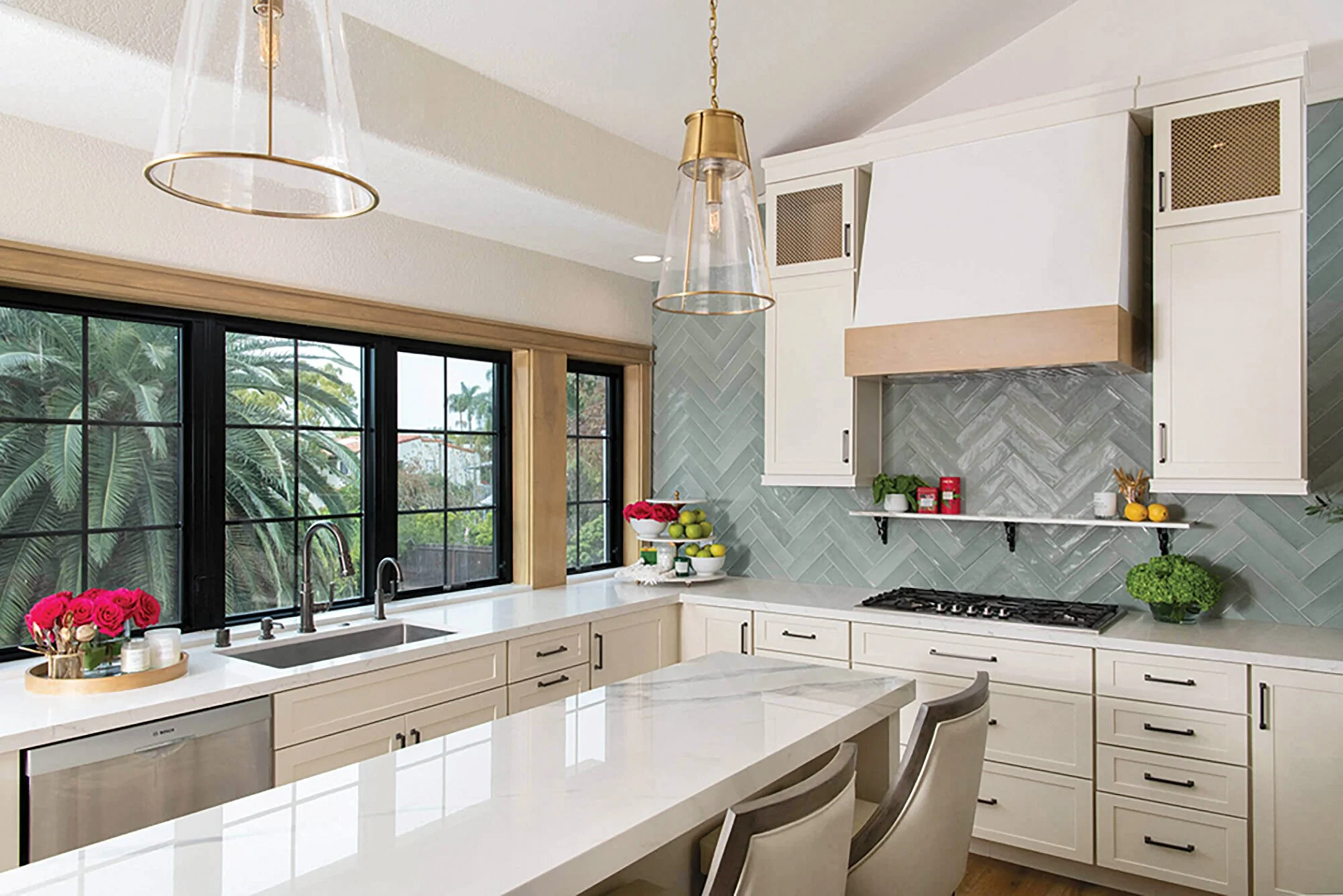
The same tile can look quite different depending on how it’s laid. Rectangular tiles in a classic brick pattern are timeless and functional, but stacking them vertically adds the illusion of height, while a herringbone arrangement introduces a touch of drama. When you want something a little different, but don’t want to commit to bold colour or pattern, an unconventional layout is a subtle way to make the backsplash your own.
A well-chosen backsplash is the detail that makes the whole kitchen feel intentional.
FIND BACKSPLASH KITCHEN DESIGN INSPIRATION IN THE CAYMAN ISLANDS AT:
BRANDSOURCE HOME GALLERY
EDIE’S
ITC TILE
POOLEY CABINETS
FIND BACKSPLASH KITCHEN DESIGN INSPIRATION IN THE CAYMAN ISLANDS AT:
BRANDSOURCE HOME GALLERY
EDIE’S
ITC TILE
POOLEY CABINETS