
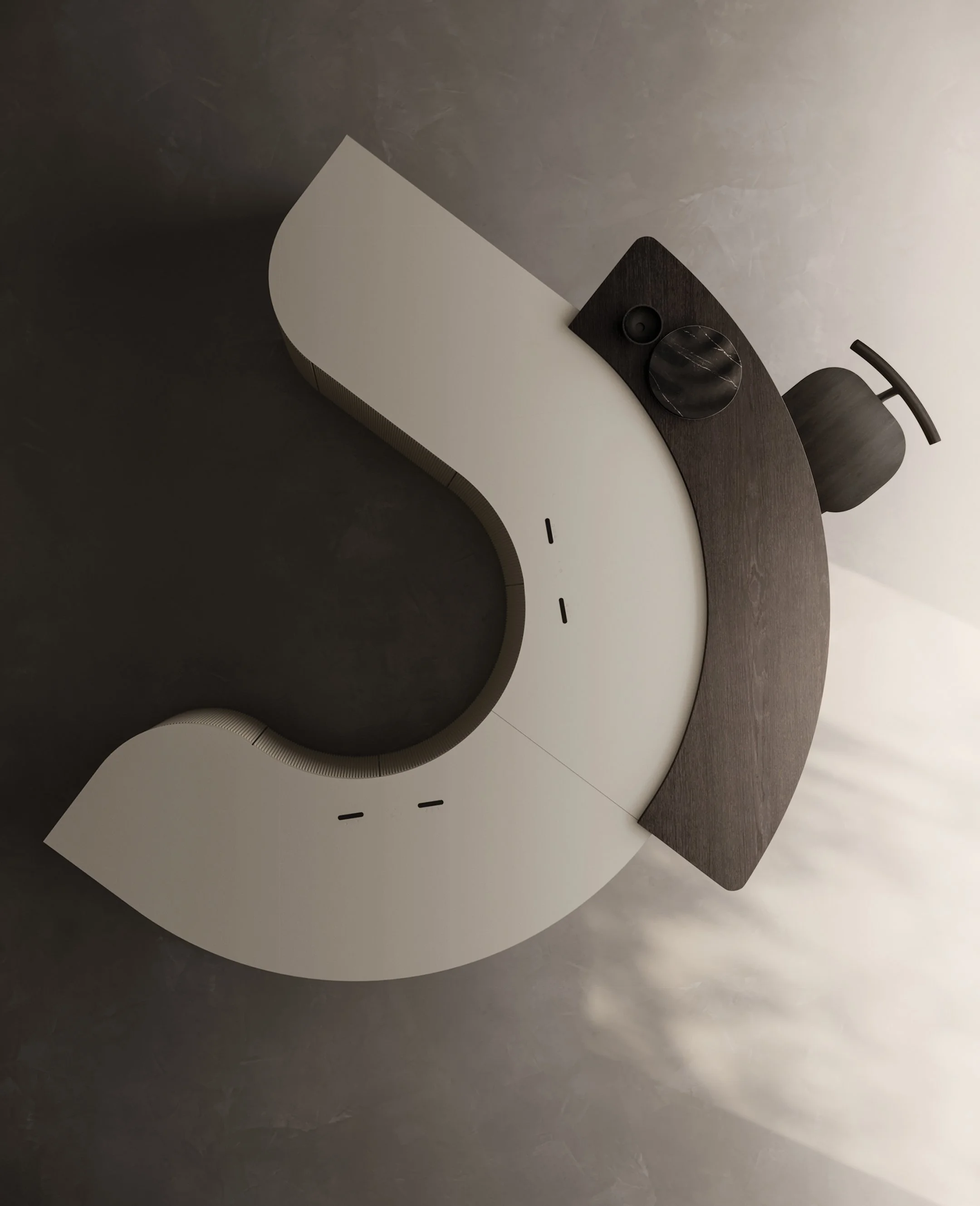
DESIGN | CURVACEOUS KITCHENS
DESIGN | CURVACEOUS KITCHENS
Words by Natasha Were.
For decades, kitchen design has been driven by practicality: straight rows of flat-fronted cabinetry, rectangular countertops, precise angles. The focus has been on maximising storage, simplifying installation, and keeping the aesthetic as clean and uncluttered as possible.
But so many clean lines and hard surfaces can feel cold and uninviting – the opposite of what we want in the heart of the home. With interior design trends increasingly leaning into biophilic principles, it’s no wonder that curves are finding their way into the kitchen.
CONTOURED CABINETRY
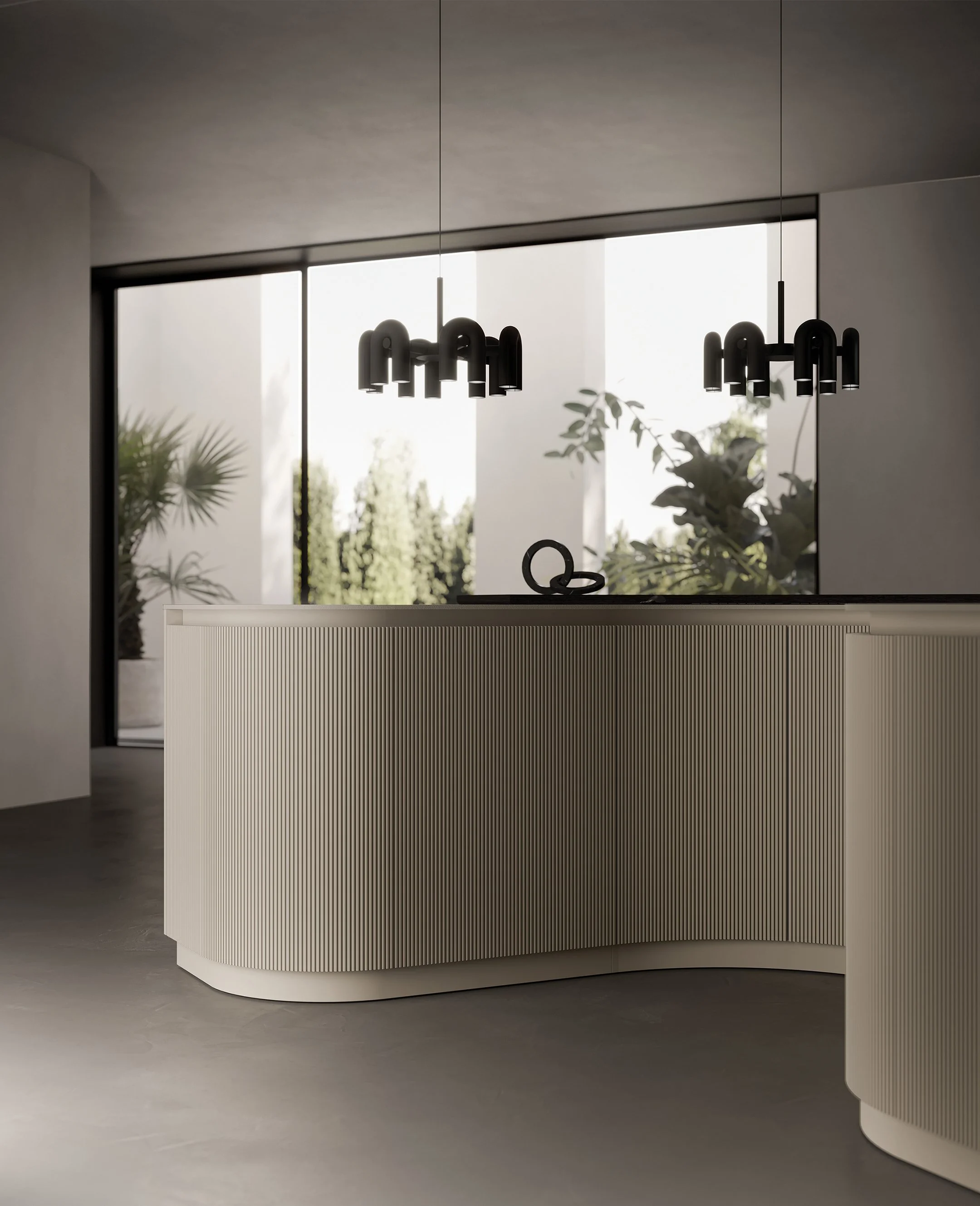
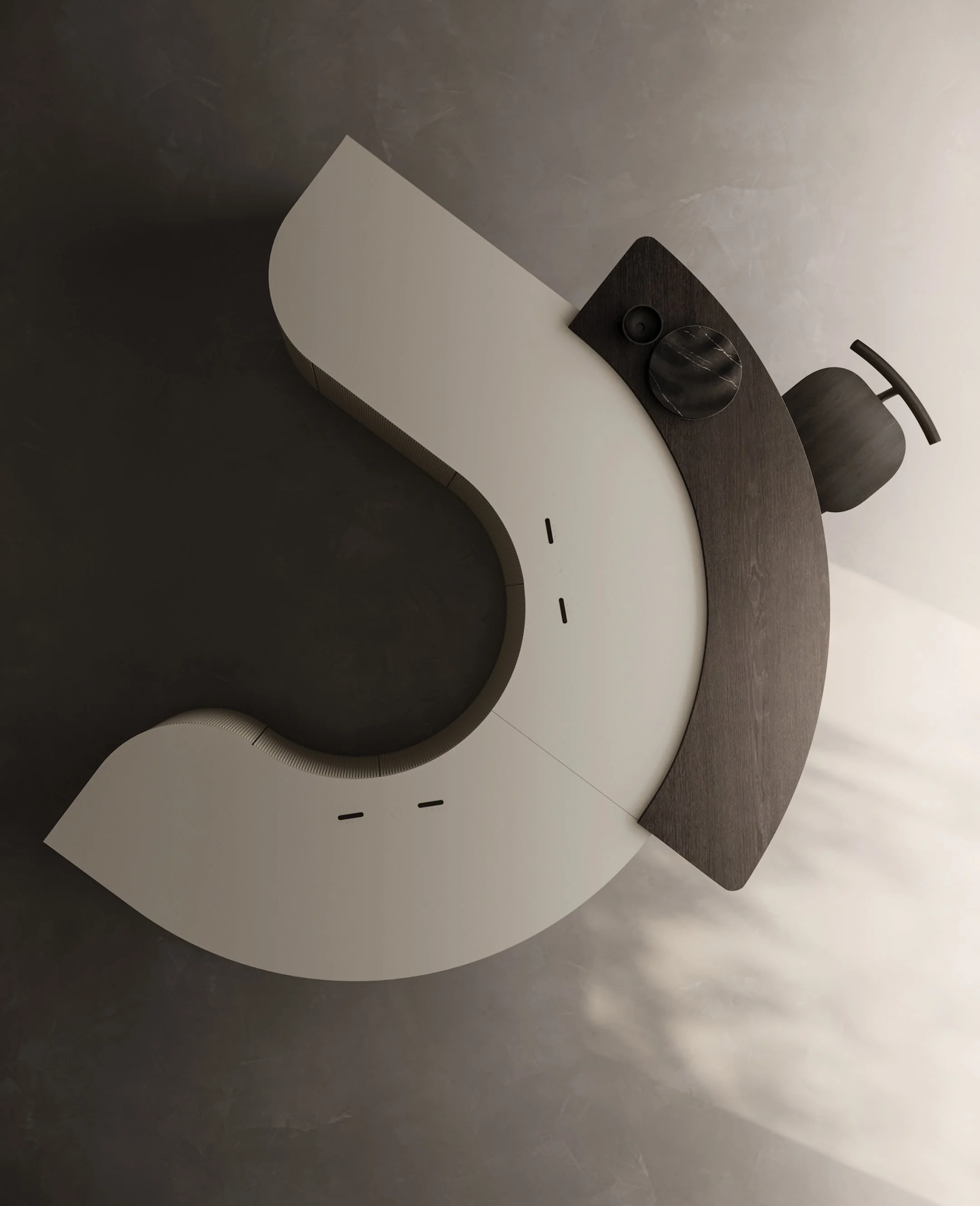
For a long time, fitted kitchens were dictated by how cabinetry could be made. That was essentially straight lines and flat doors. Modern materials and manufacturing have changed that though: in the hands of the right professionals, cabinetry and countertops can now be crafted in almost any shape.
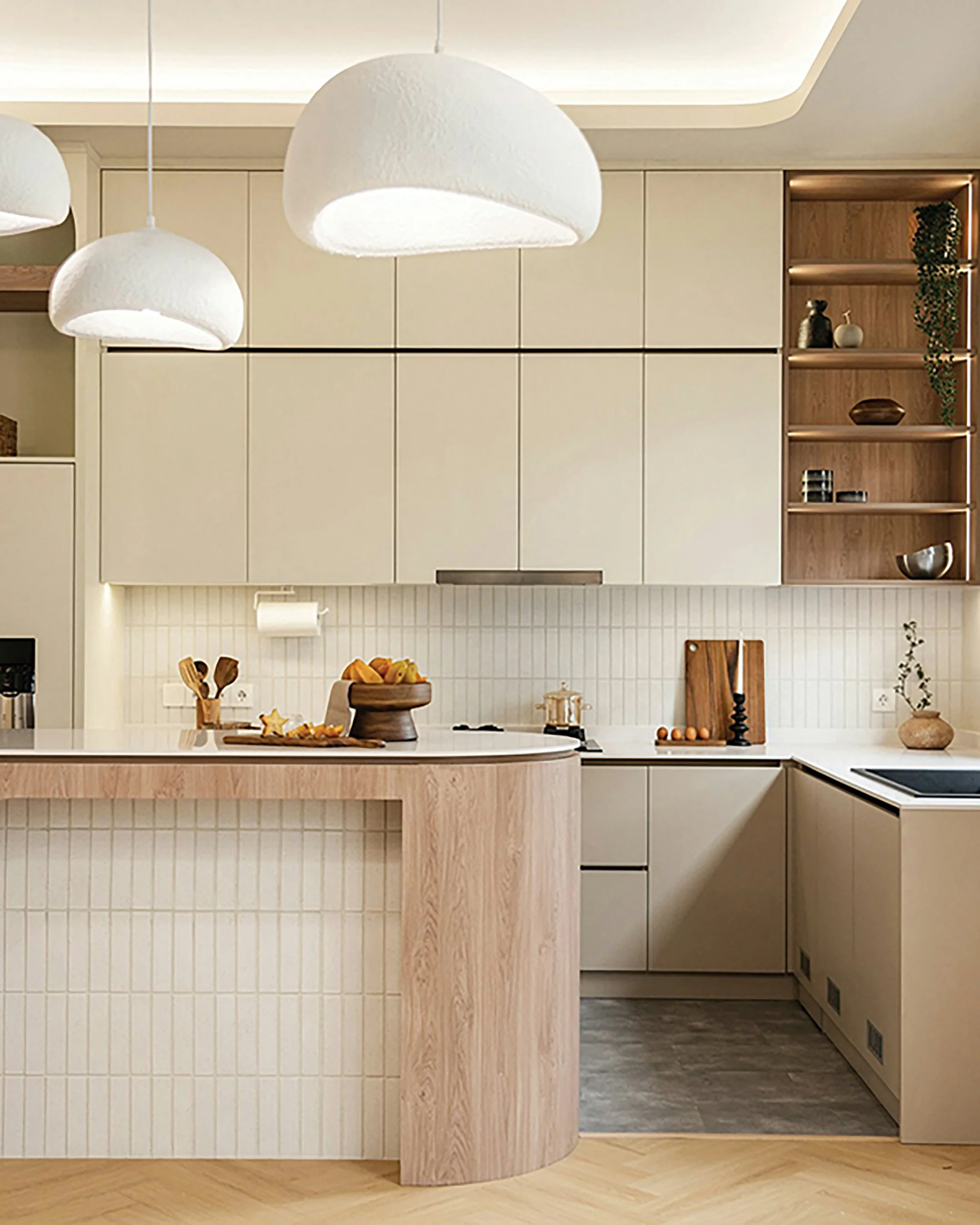
Curved cabinetry lends a refinement and fluidity to kitchens that flat-fronted units can’t achieve. The benefits are particularly striking in compact kitchens, where corners eat into available space and interrupt the flow of movement. Rounding off the corners of units results in a softer appearance and the illusion of more room – and also removes those sharp points that frequently catch hips.
RETHINKING THE ISLAND
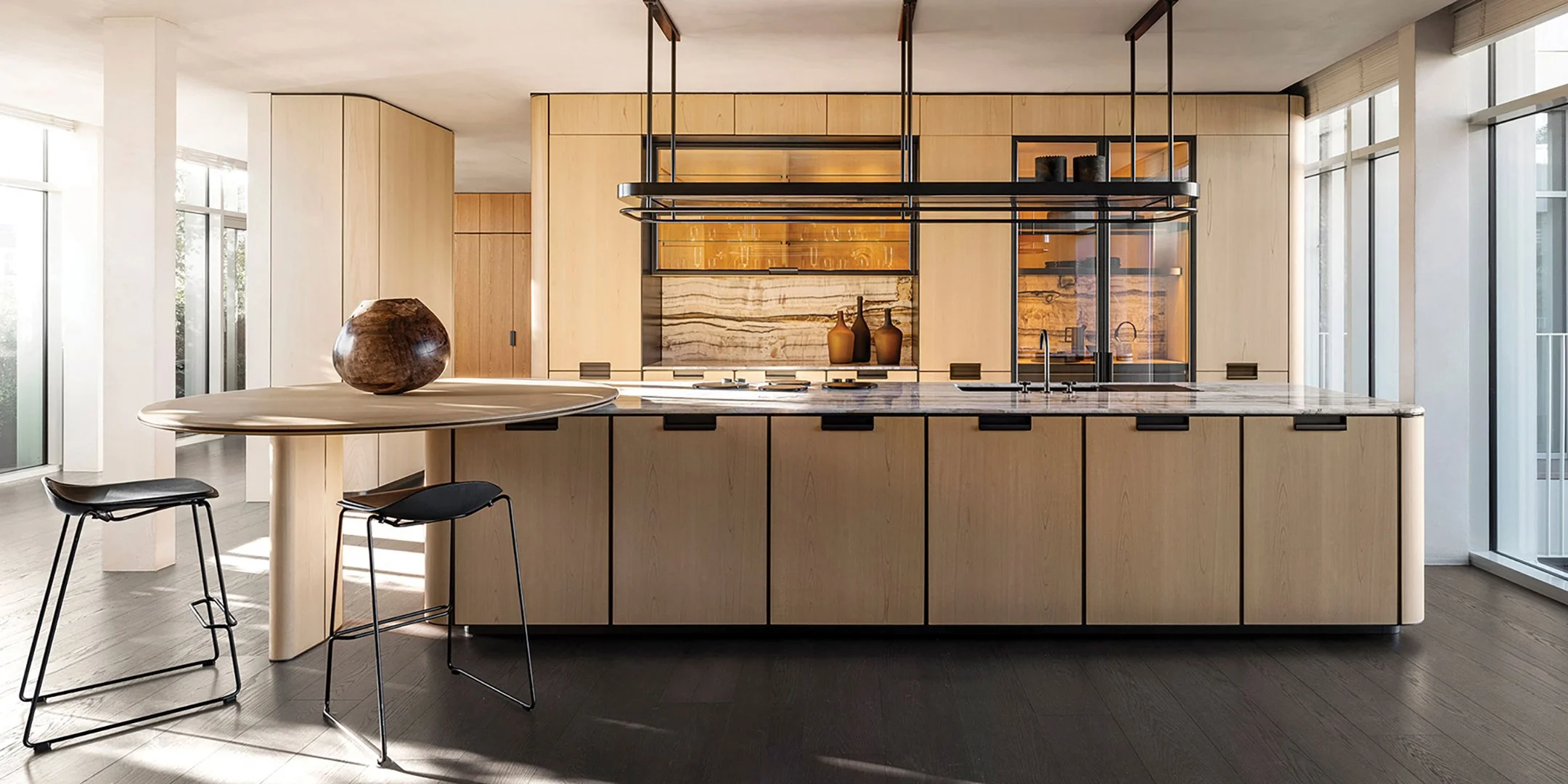
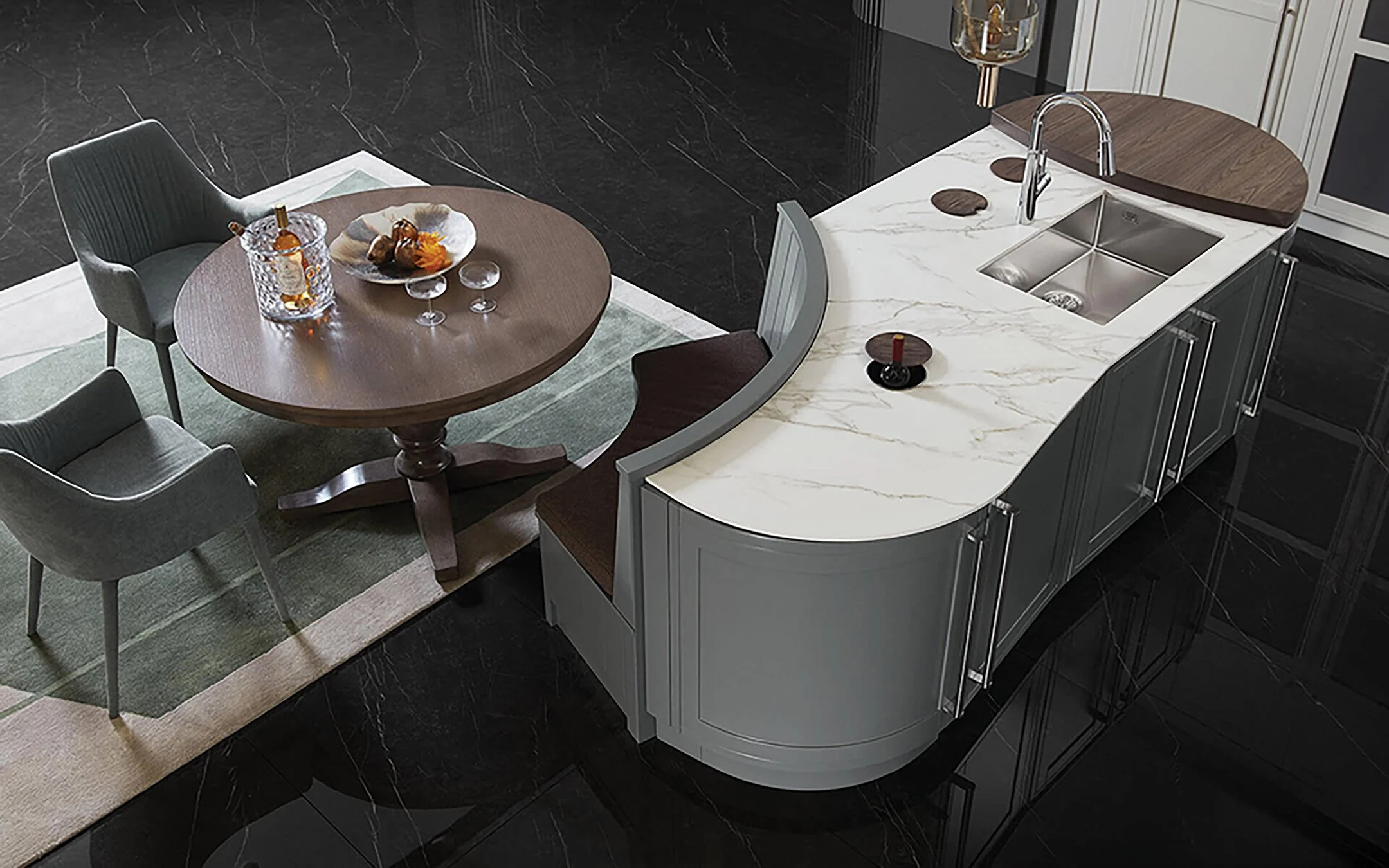
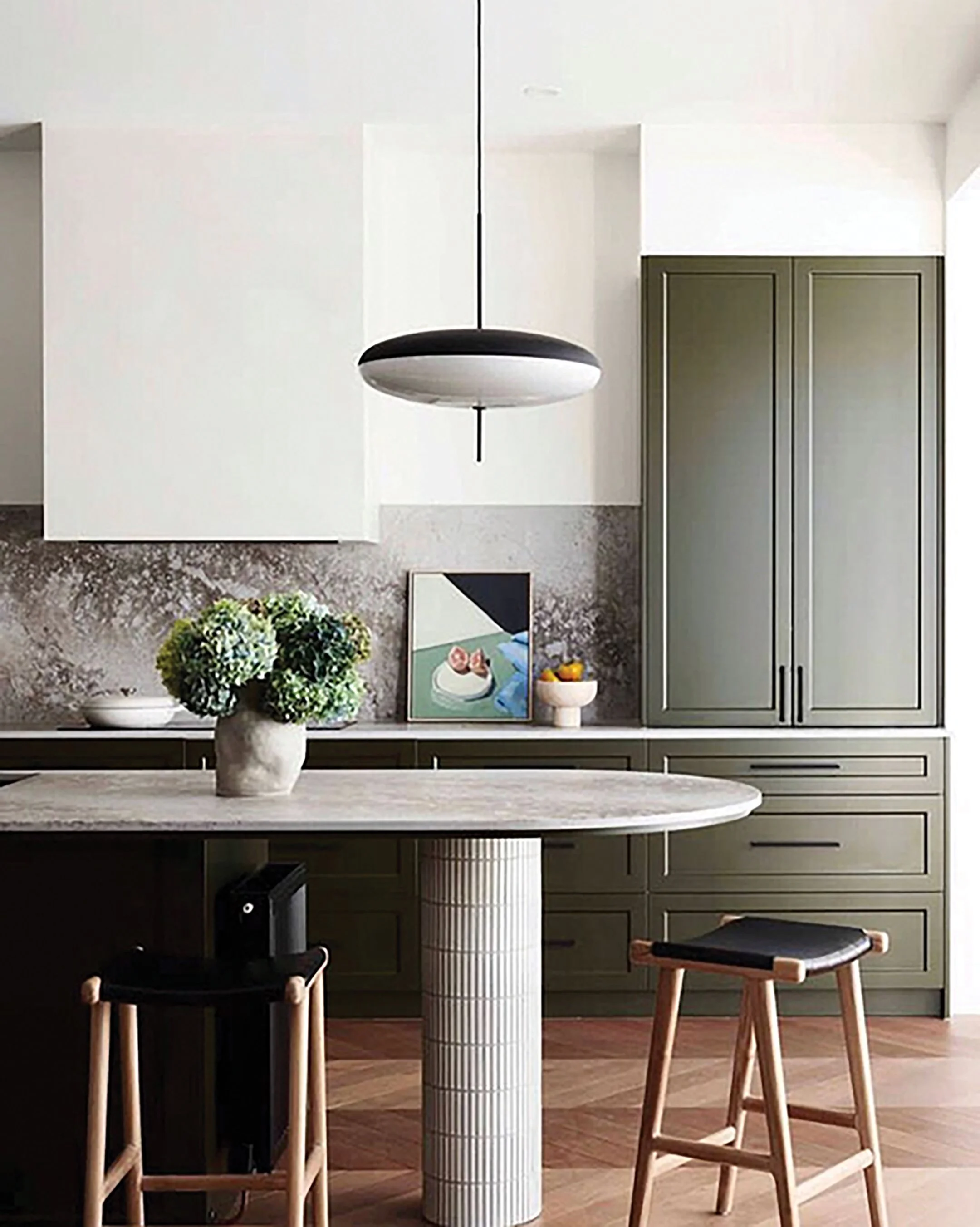
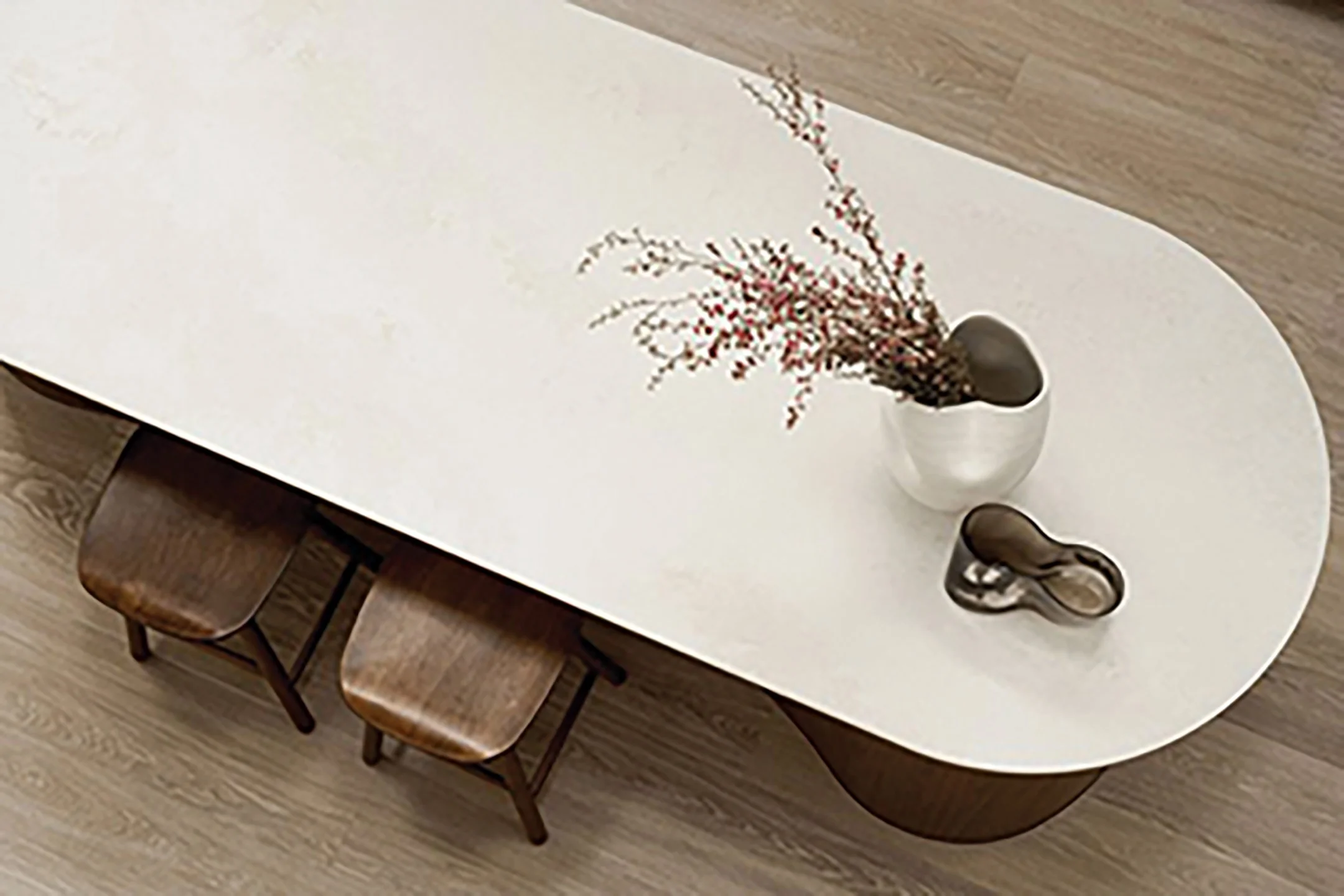
The kitchen island has become ubiquitous in modern homes – but rectangular is not the only option. A curved or elliptical island can look like a sculptural centrepiece, plus it’s easier to move around, more flexible in terms of seating, and far better suited to informal entertaining.
When it comes to the countertop, stone, porcelain and solid wood can all be crafted into gentle curves. Even replacing the countertops but leaving square cabinetry beneath them, will dramatically change the feel of a kitchen.
ARCHITECTURAL ARCHES
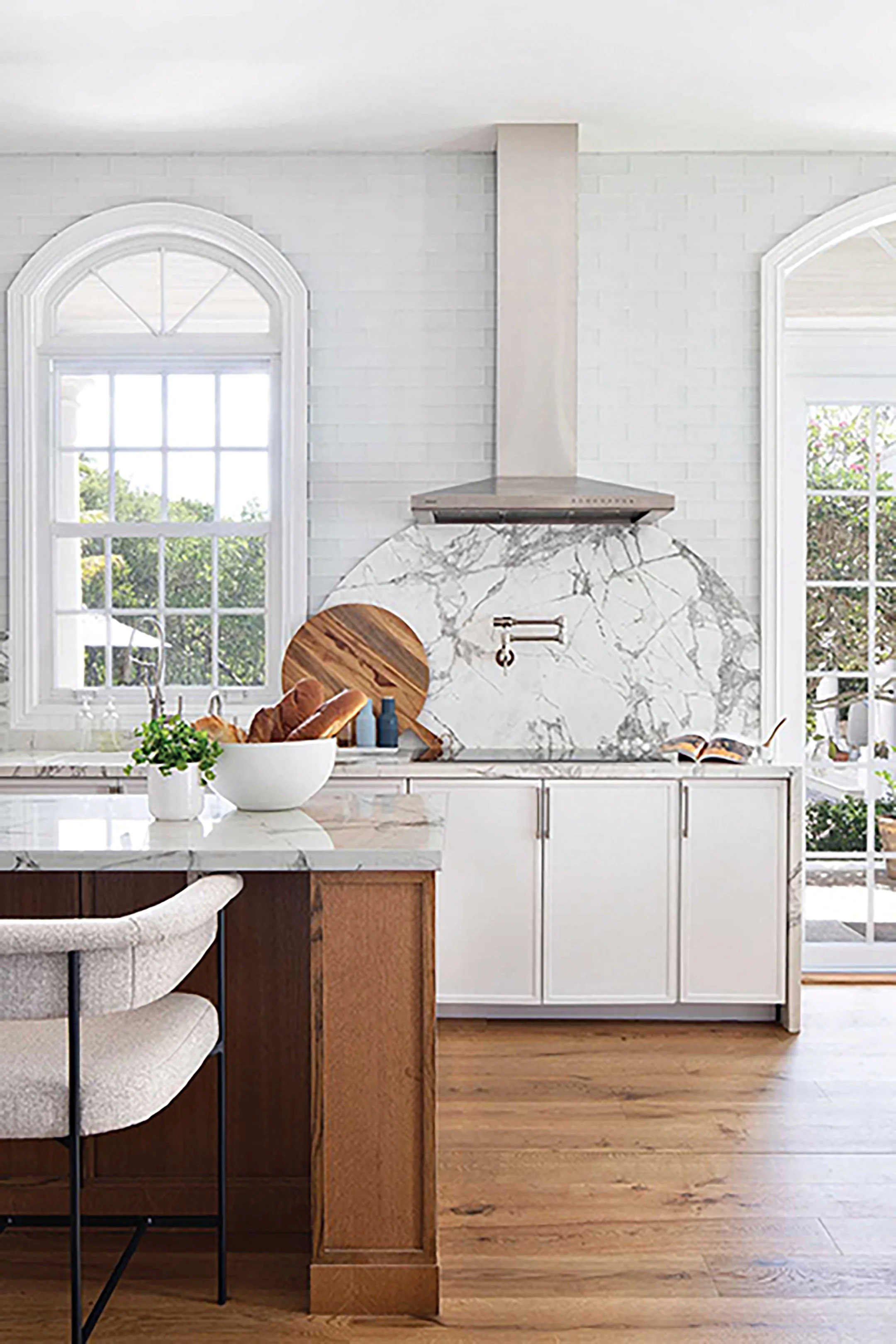
For thousands of years, arches have been used both for their structural strength and their grace. Adding arched doorways, pantry alcoves or windows in a kitchen not only balances out the rectilinear grid of cabinetry and but also injects a sense of timeless elegance.
BACKSPLASH AND SHELVING
Another simple way to introduce softer forms is in a backsplash: whether tiled or cut from a single slab, a curving backsplash creates a focal point that feels intentional. Equally, open shelving with rounded corners and edges is one of the simplest ways
to introduce curves without major structural work. Style shelves with glassware, cookbooks and trailing plants, and they become decorative as well as practical.
COCOONING FURNITURE
Curves don’t have to be designed in from the outset. Oval or circular dining tables help to soften the straight lines elsewhere, while seats with curved backrests aren’t just more visually inviting; they wrap around you, instilling a sense of comfort and safety.
ACCENT ACCESSORIES
Swapping angular light fixtures for generous spherical or domed pendants, especially when made from natural materials, adds a more organic element, while rounded handles and pulls and gracefully arching taps gently nudge the dial from clinical towards convivial
THE BIGGER PICTURE
In open-plan spaces, the shift from a soft, furnished living area to the clean lines of a kitchen can feel abrupt, even jarring. Curves help bridge that gap, blurring the boundary so the whole space feels cohesive.
A kitchen doesn’t have to sacrifice beauty and warmth to be functional. With the right shapes, it can be both – and feel like somewhere you genuinely want to be.
FIND CURVATEOUS KITCHEN DESIGN INSPIRATION IN THE CAYMAN ISLANDS AT:
DESIGN.IT
EDIE’S
MOLTENI&C CAYMAN BY KEMPA DESIGN
OPPEIN CAYMAN
PEDINI CAYMAN
POOLEY CABINETS
FIND CURVATEOUS KITCHEN DESIGN INSPIRATION IN THE CAYMAN ISLANDS AT:
DESIGN.IT
EDIE’S
MOLTENI&C CAYMAN BY KEMPA DESIGN
OPPEIN CAYMAN
PEDINI CAYMAN
POOLEY CABINETS