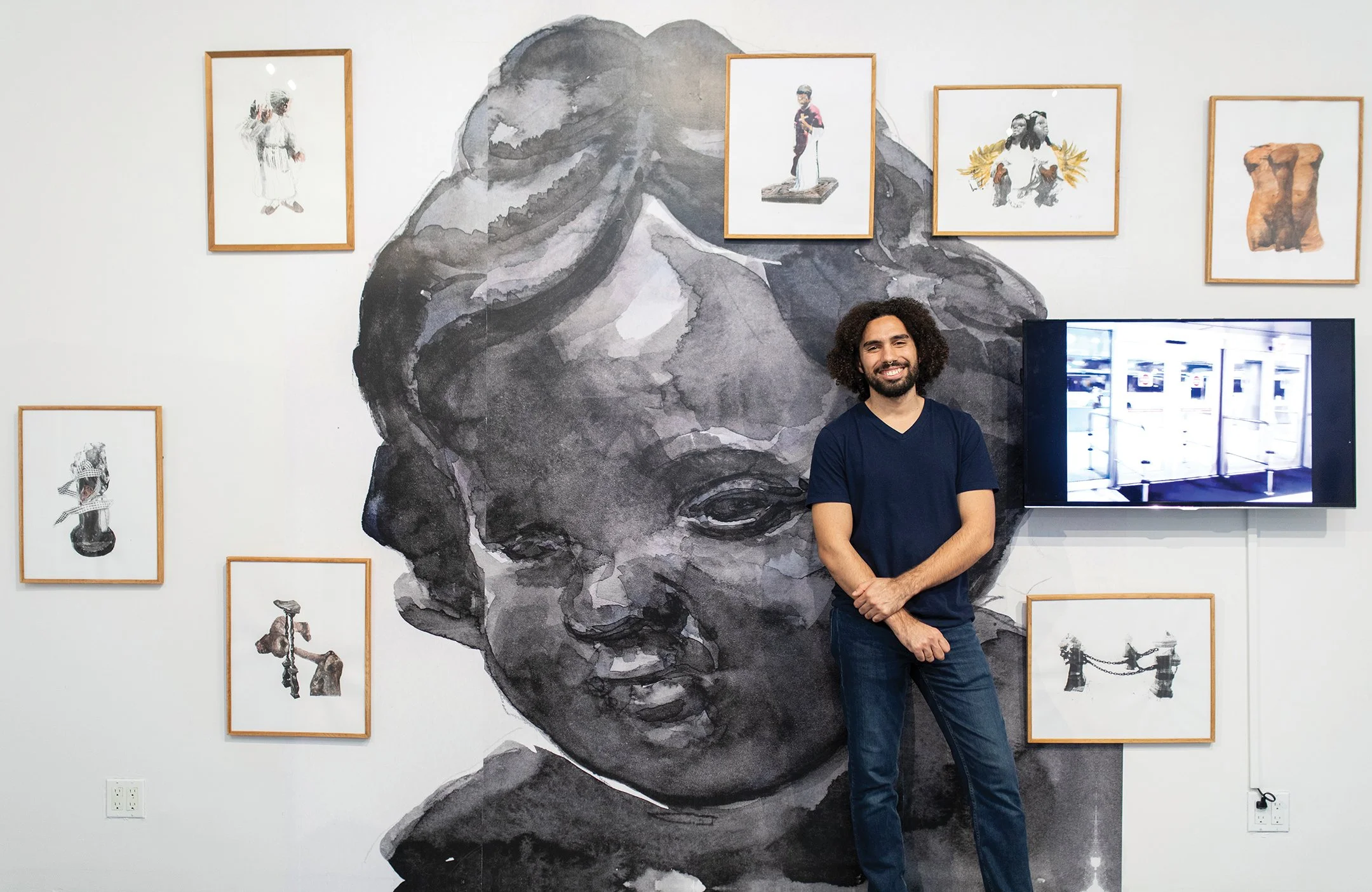
ARTIST SIMON TATUM | FRAGMENTS OF HOME,
CAYMAN ISLANDS
ARTIST SIMON TATUM | FRAGMENTS OF HOME,
CAYMAN ISLANDS
Inside the pristine halls of the National Gallery of the Cayman Islands a looping film ripples against a white wall. Voices weave through the soundscape, from revolutionary Caribbean leaders to the lilting Caymanian cadence of a woman recalling her grandfather’s words: “Are you paying attention to the world?” The voice belongs to Mary Lawrence, educator, writer, politician, inspiration and grandmother to the erudite mixed-media artist, Simon Tatum.
Words by Georgia Austin. Photos courtesy of the artist, Simon Tatum.
FOR MORE INFO ABOUT SIMON TATUM’S ARTWORK
EMAIL: simonjtatumstudio@gmail.com
CLICK: www.simonjtatum.com
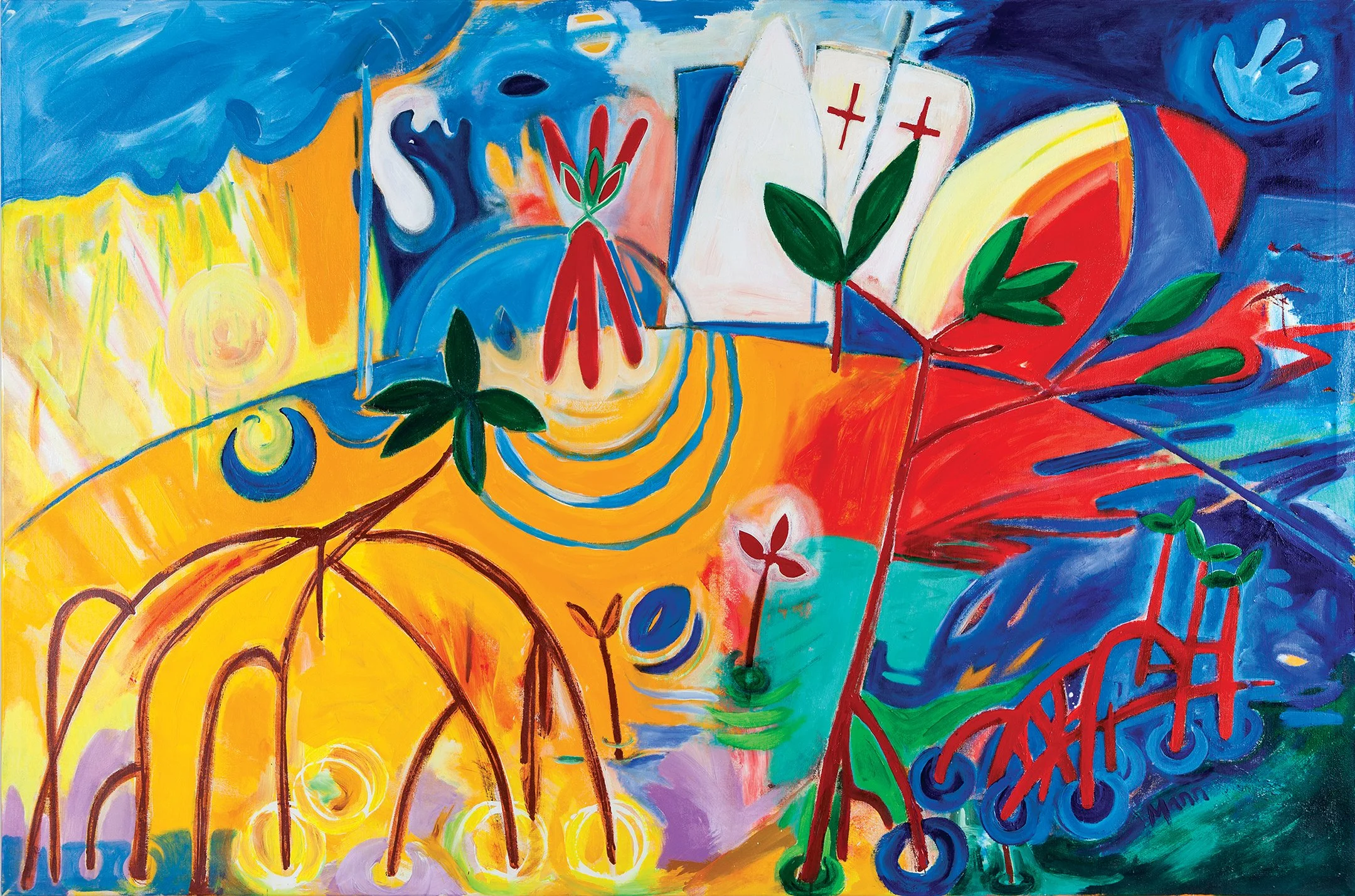
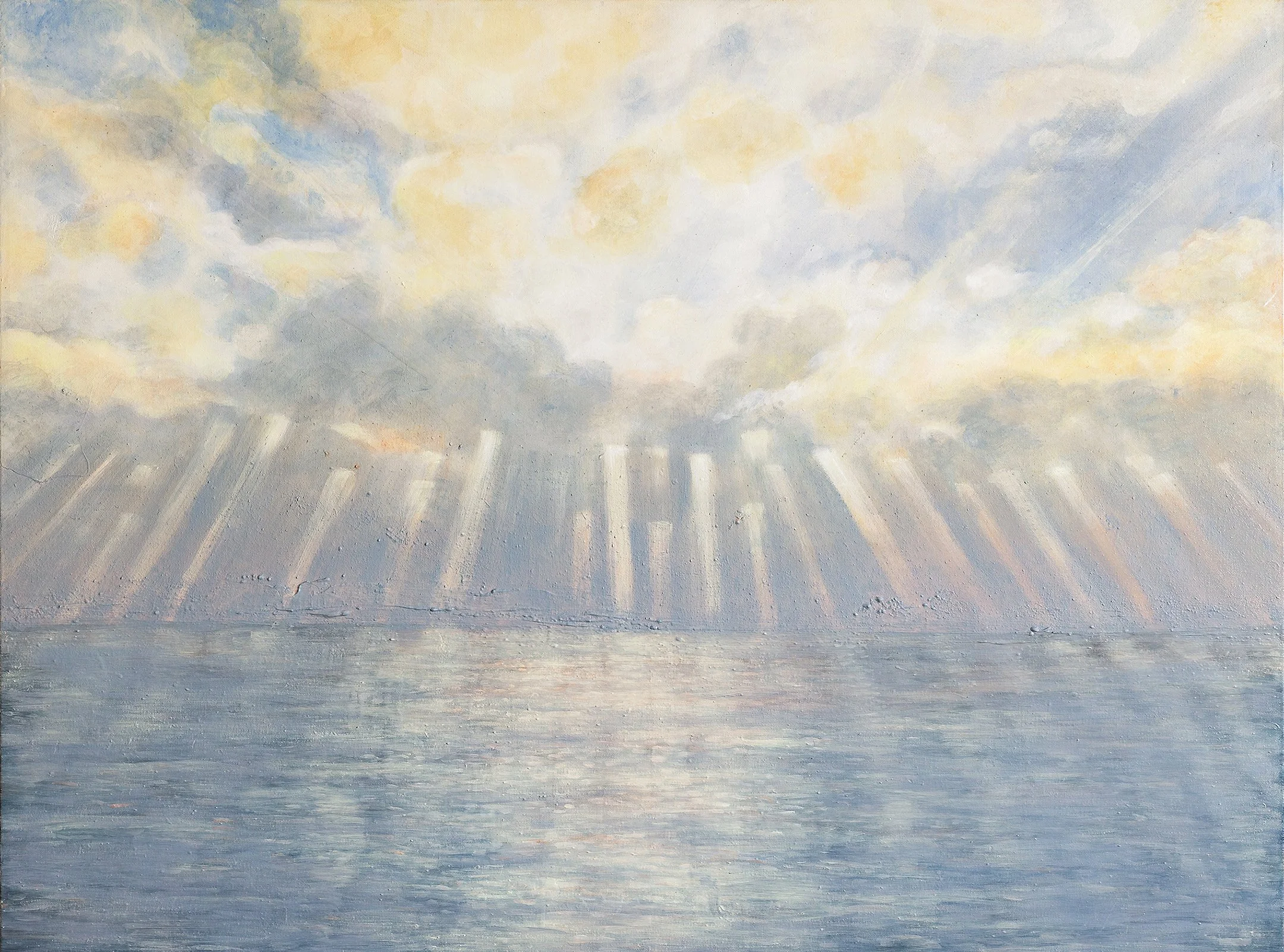
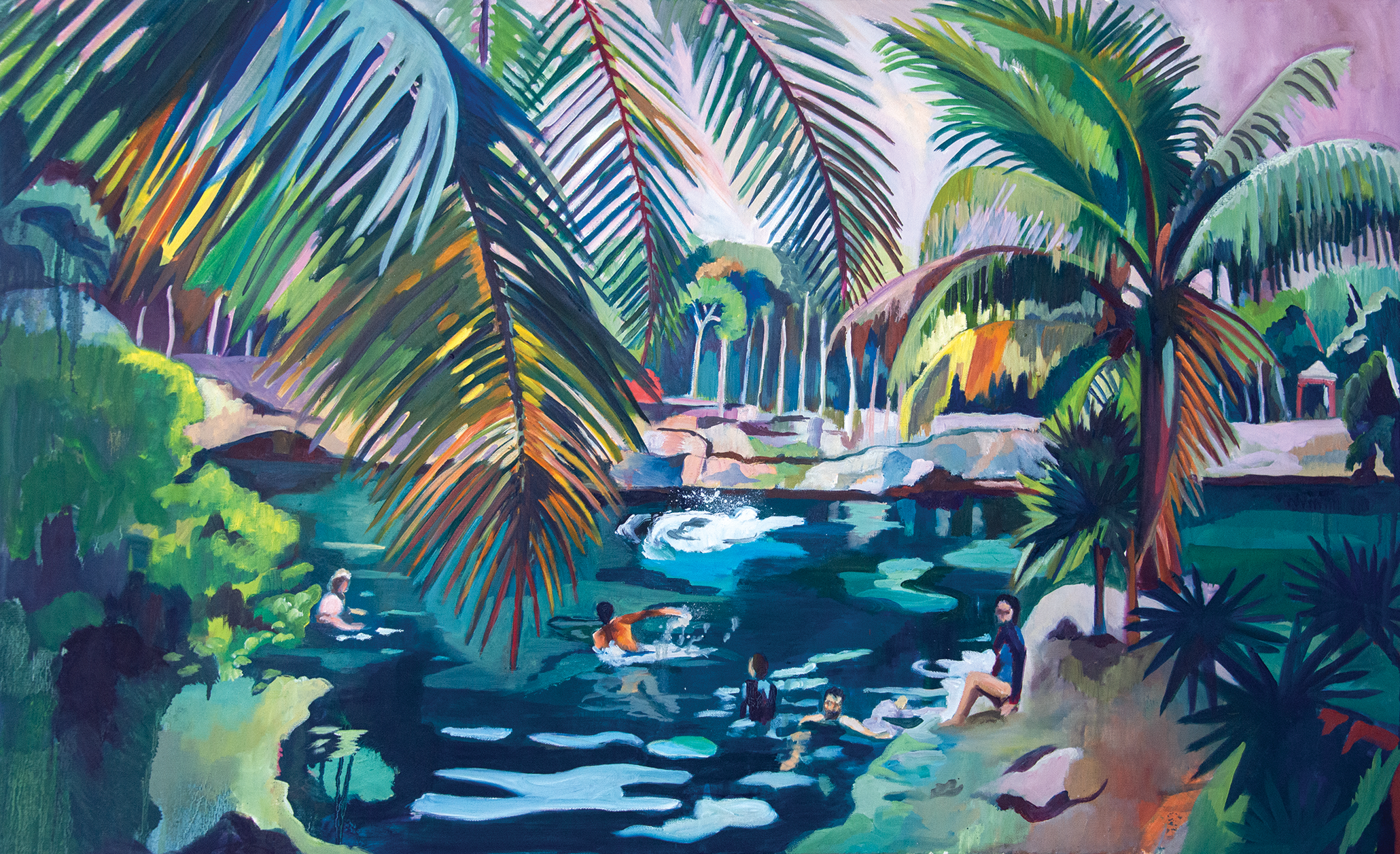
Title Image: Artist Simon Tatum, Colonial Debris, mixed-media installation. Image courtesy of the TERN Gallery.
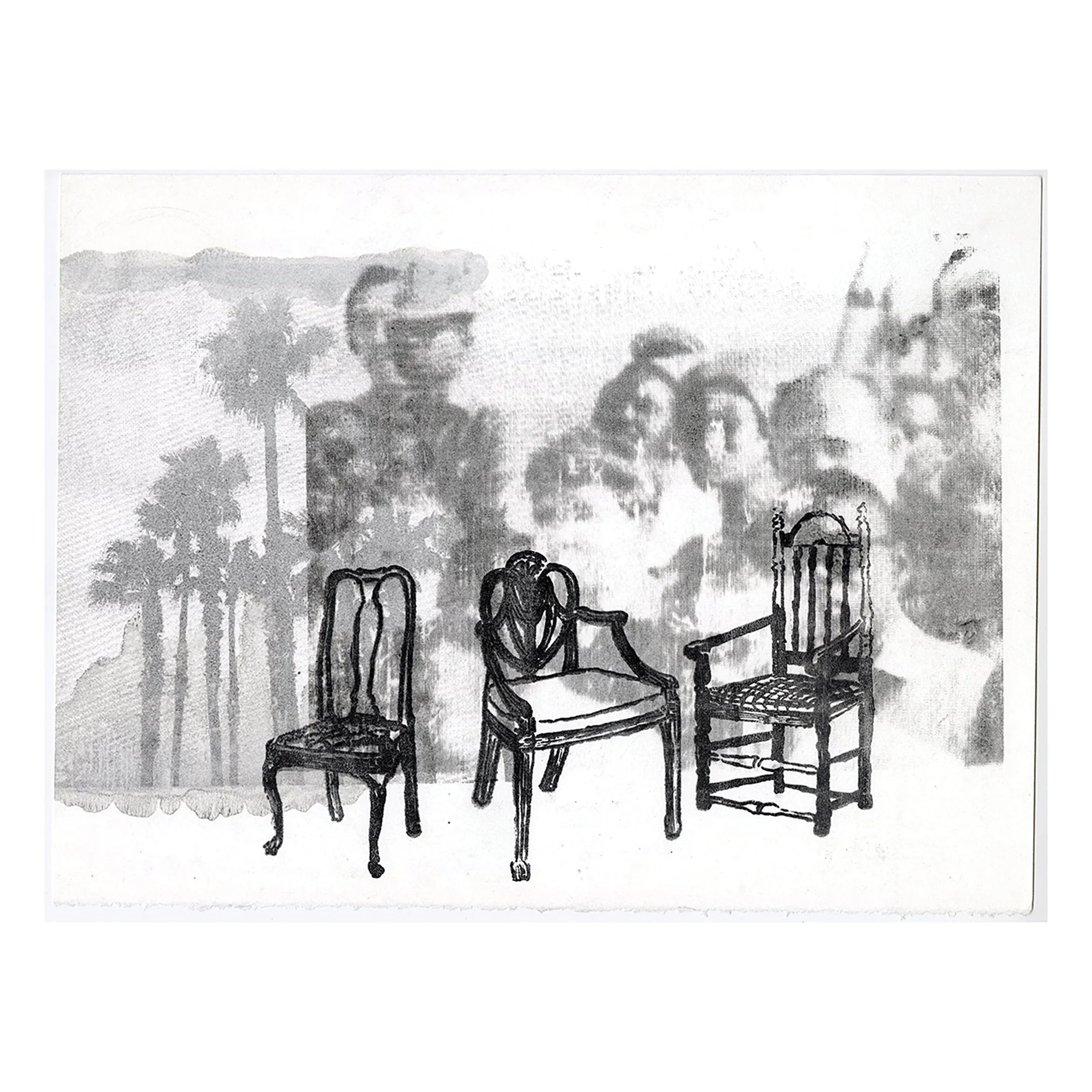
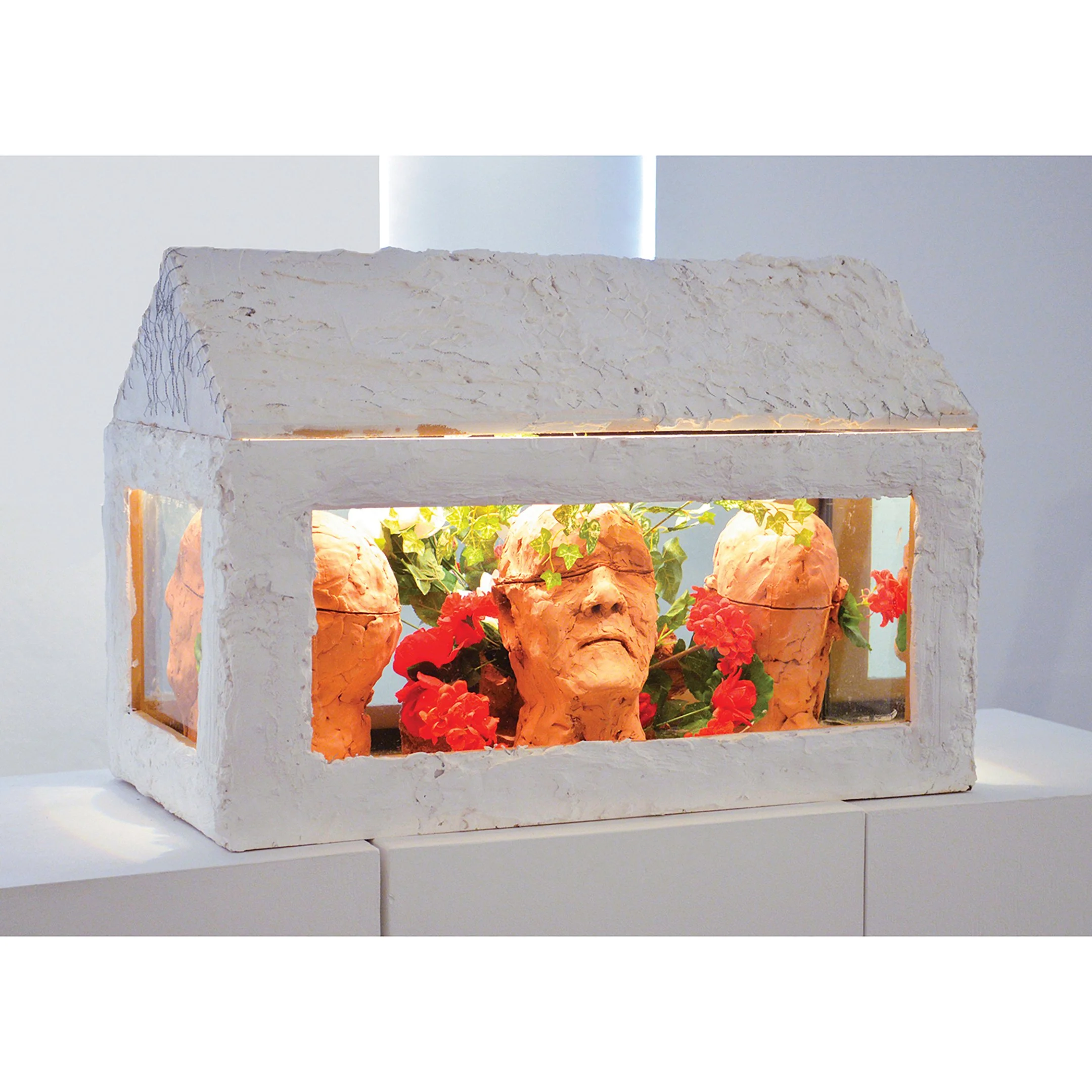
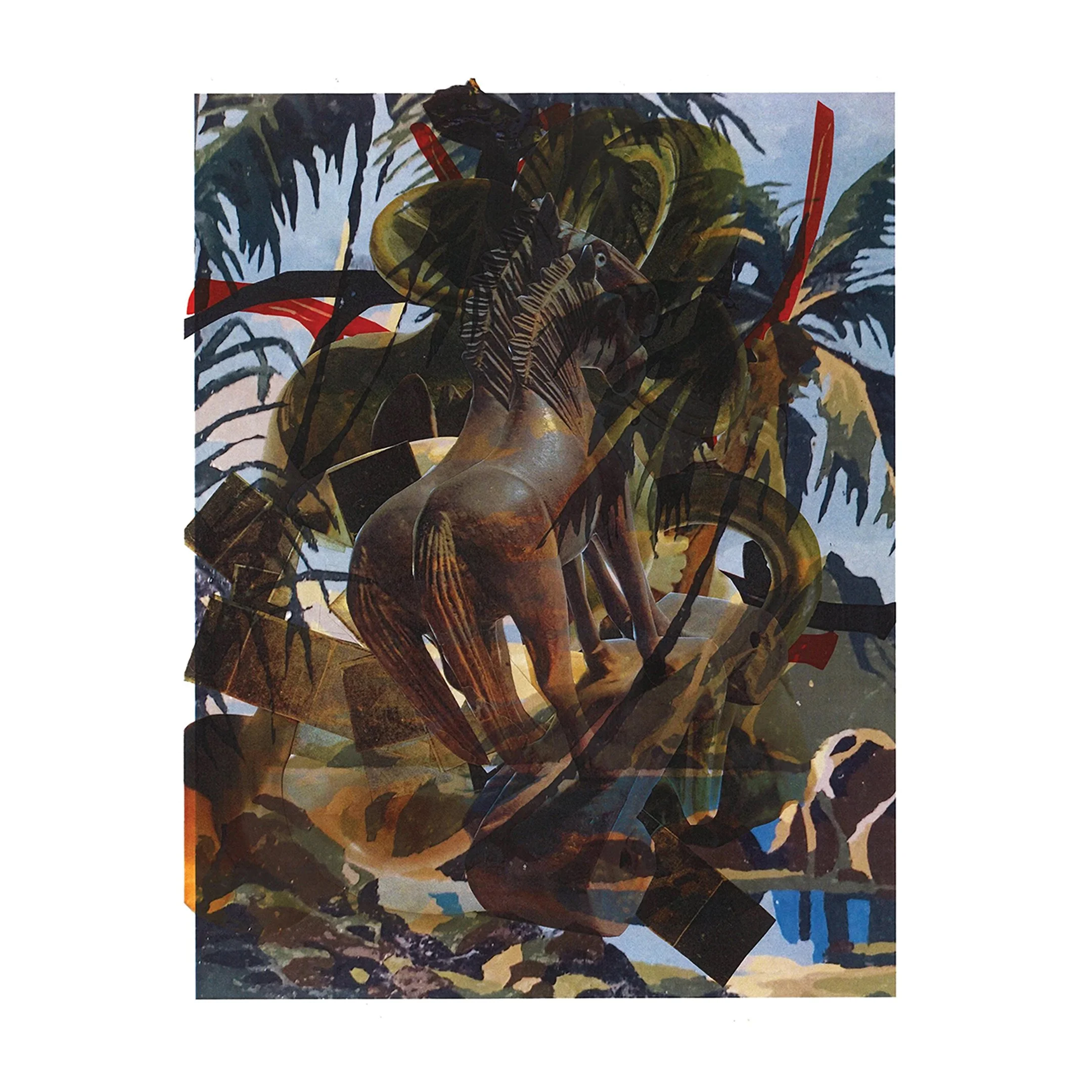
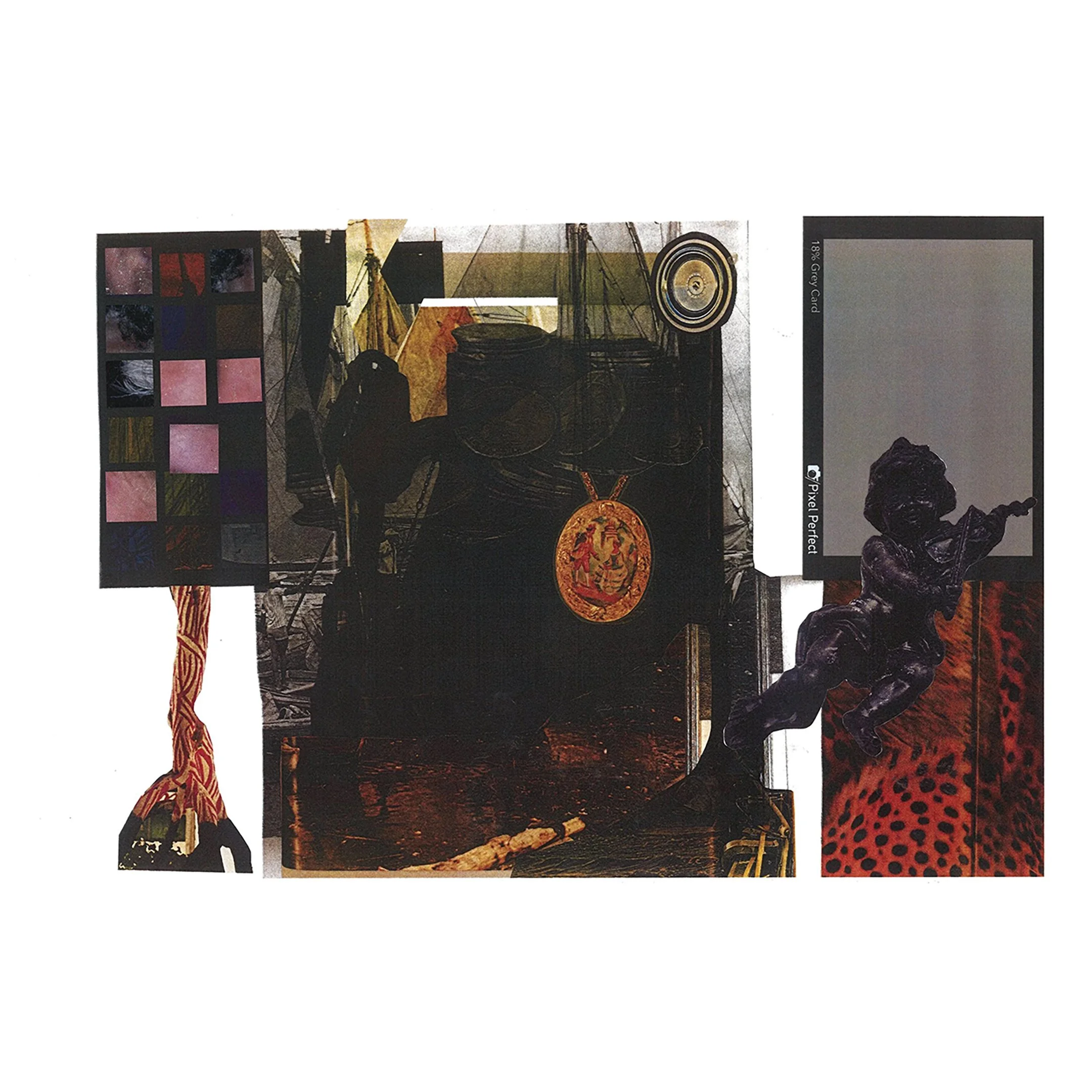
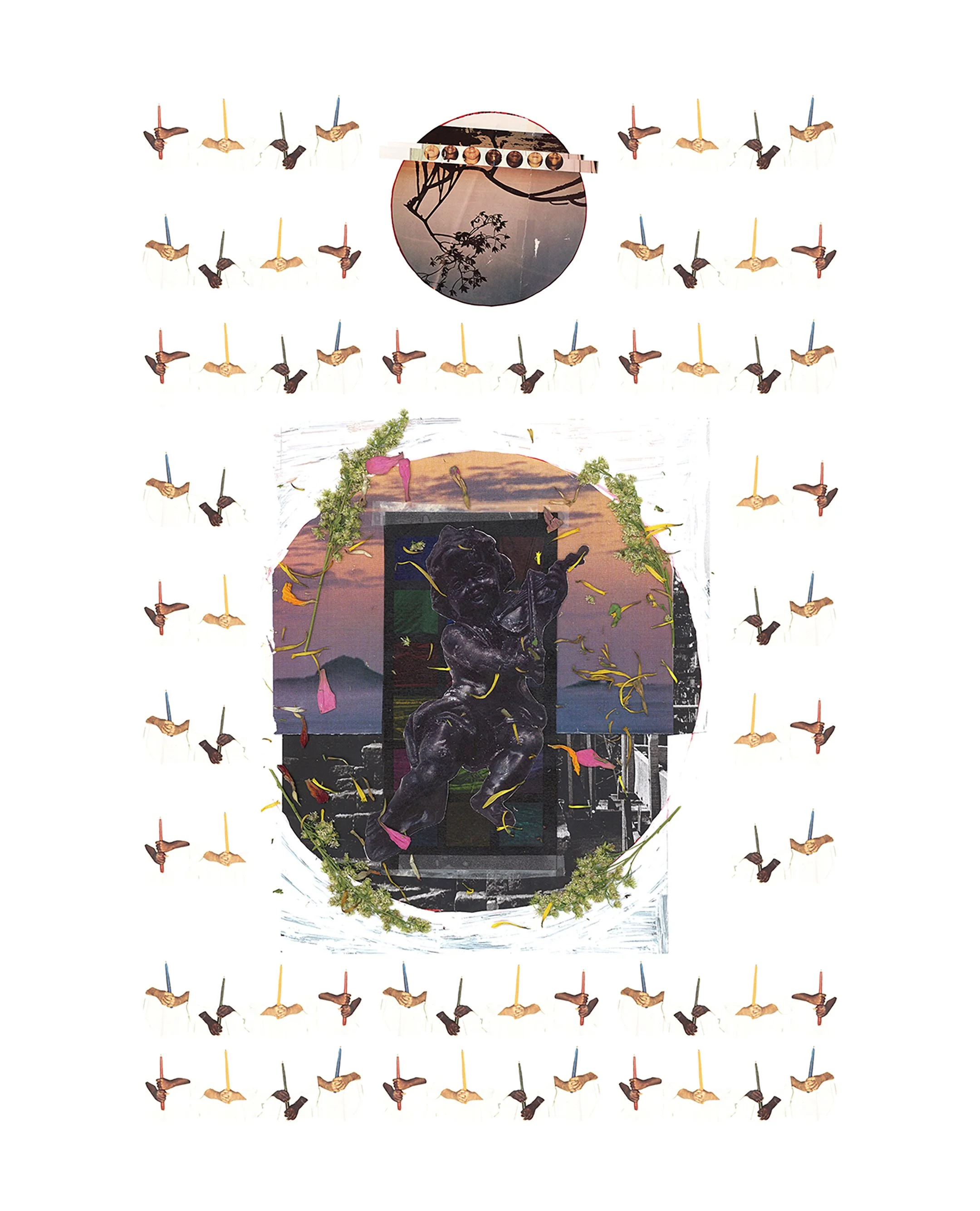
In order, above gallery: Part of the Romantic Caribbean, mixed-media installation and selected Works on Paper, mixed screen printing with graphite powder and overlayed hand-drawings with liquid graphite or watercolour.
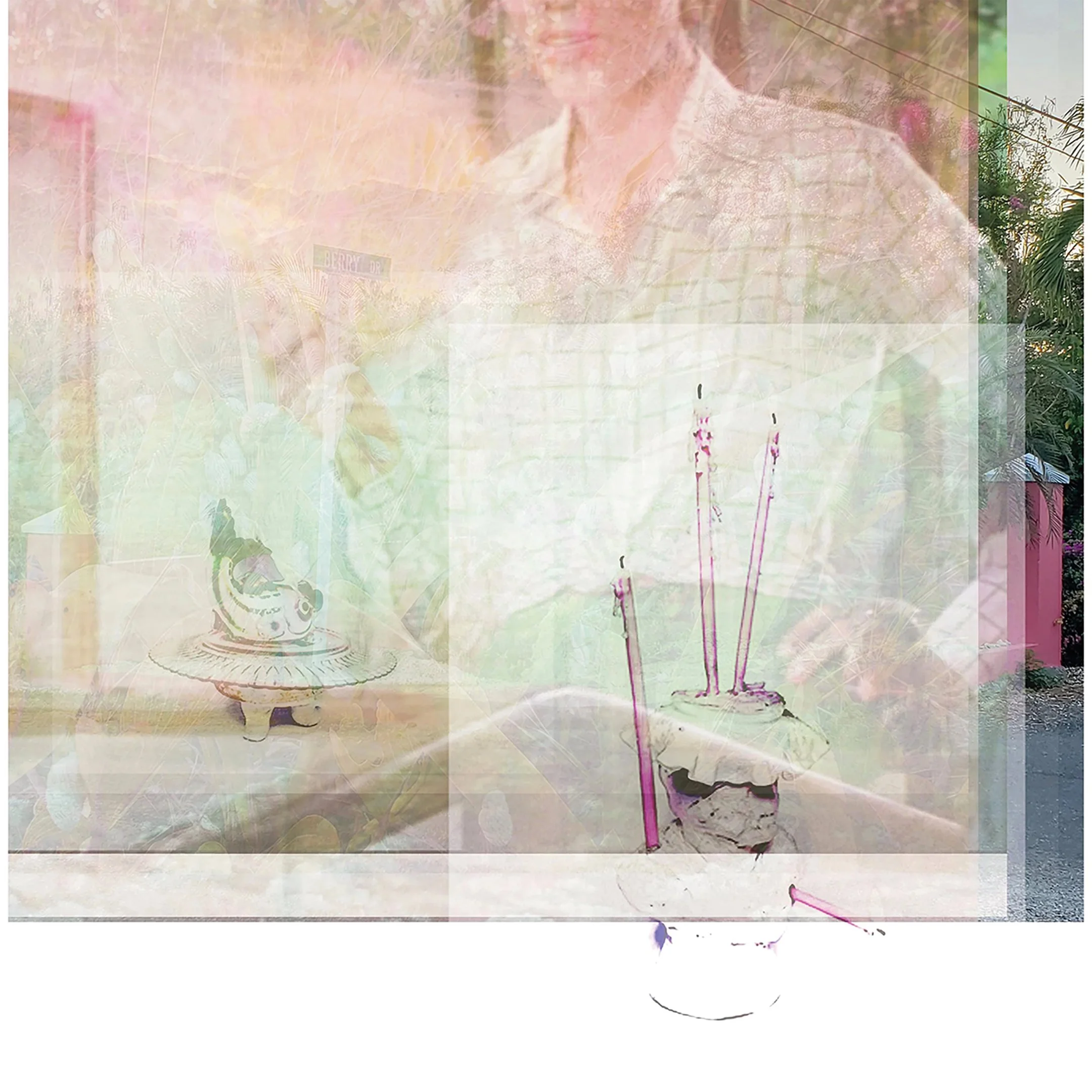
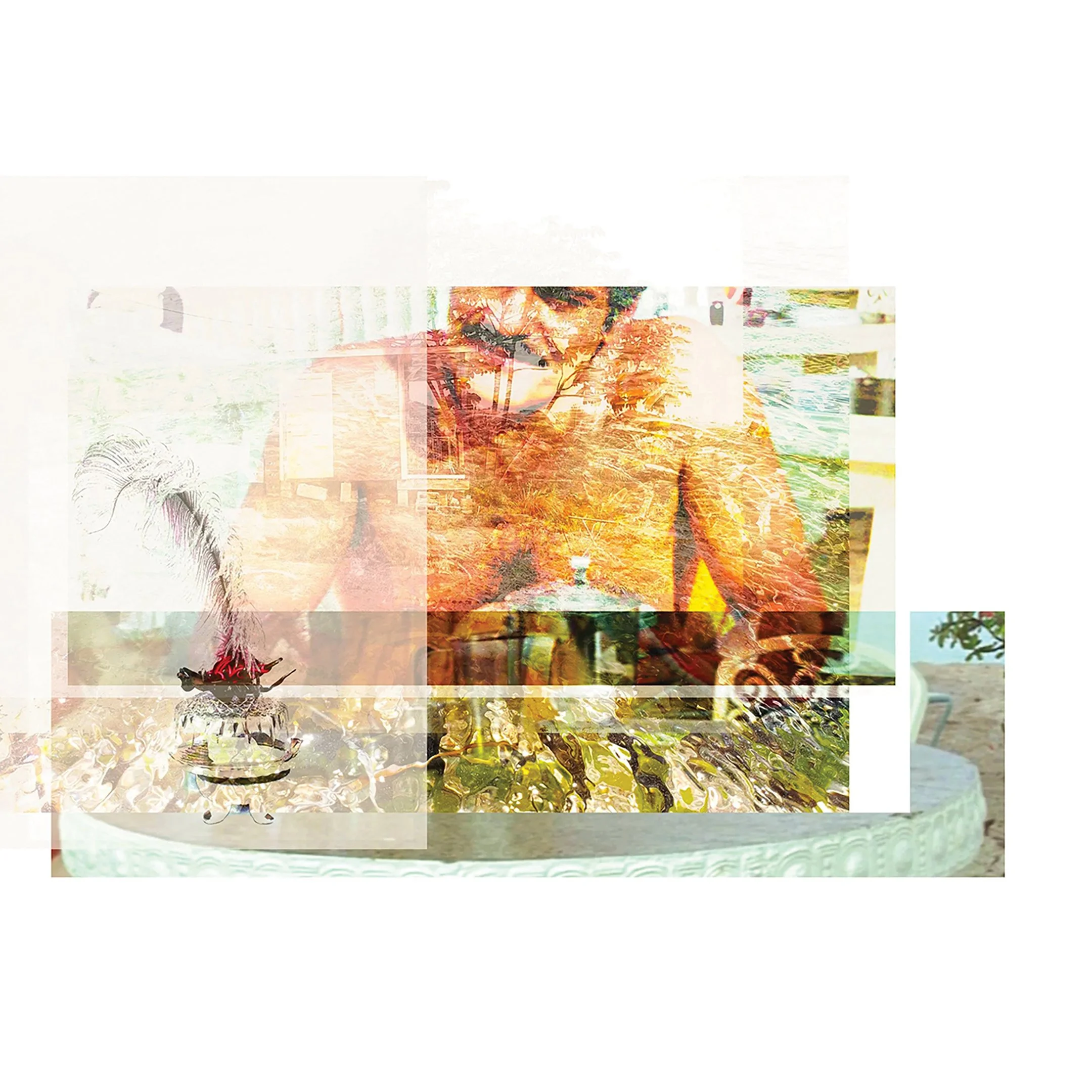
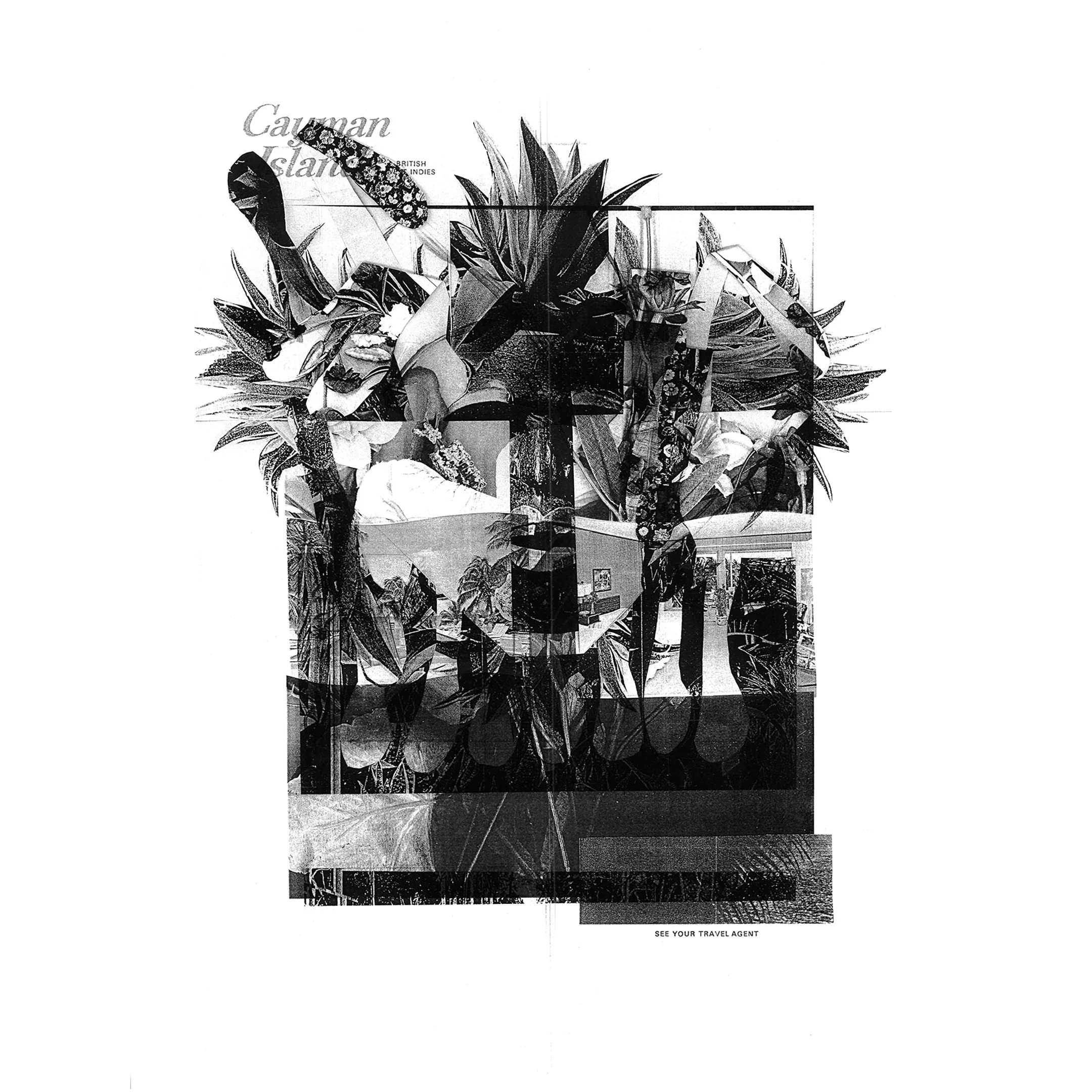
See Your Travel Agent Series, digital collage printed as an inkjet print on paper.
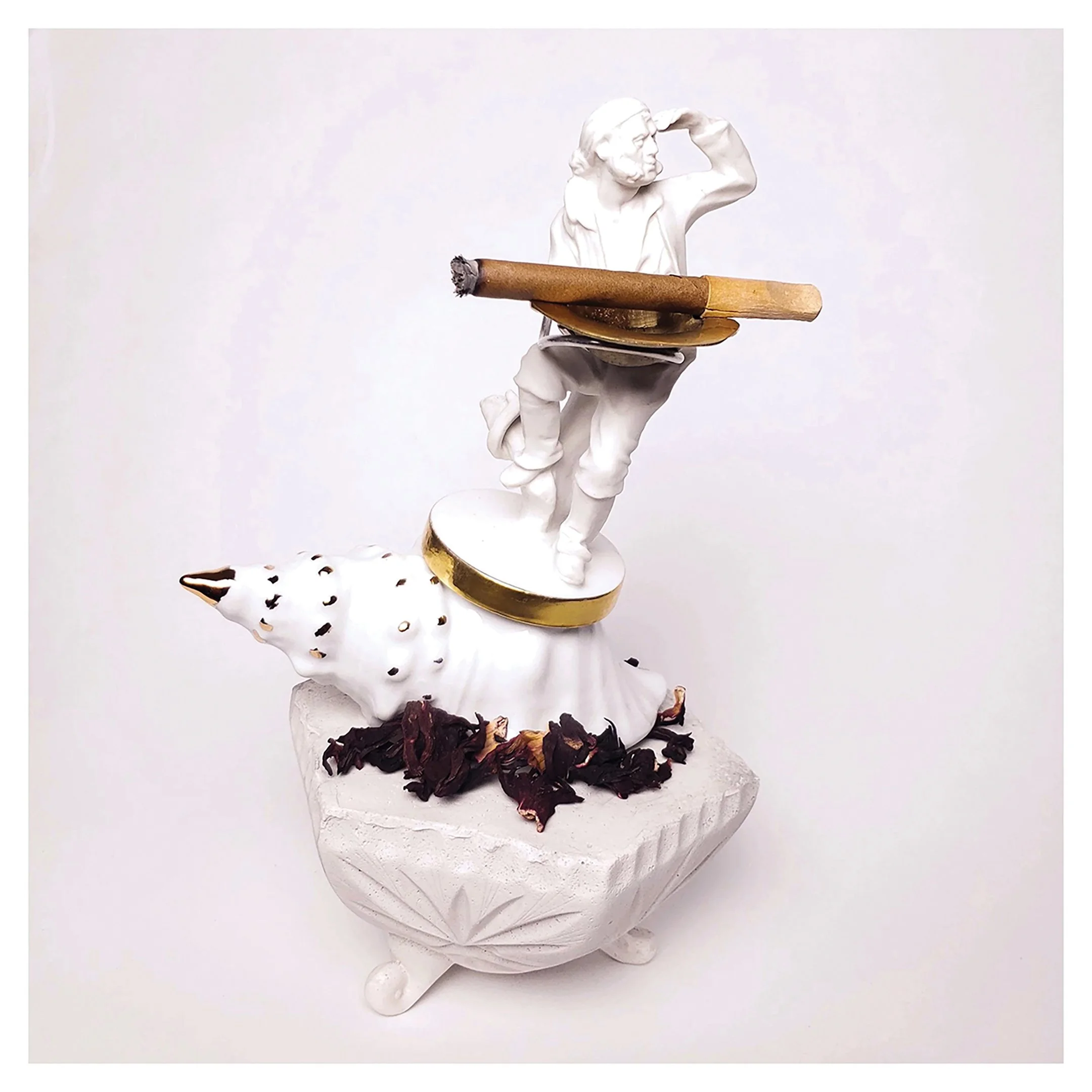
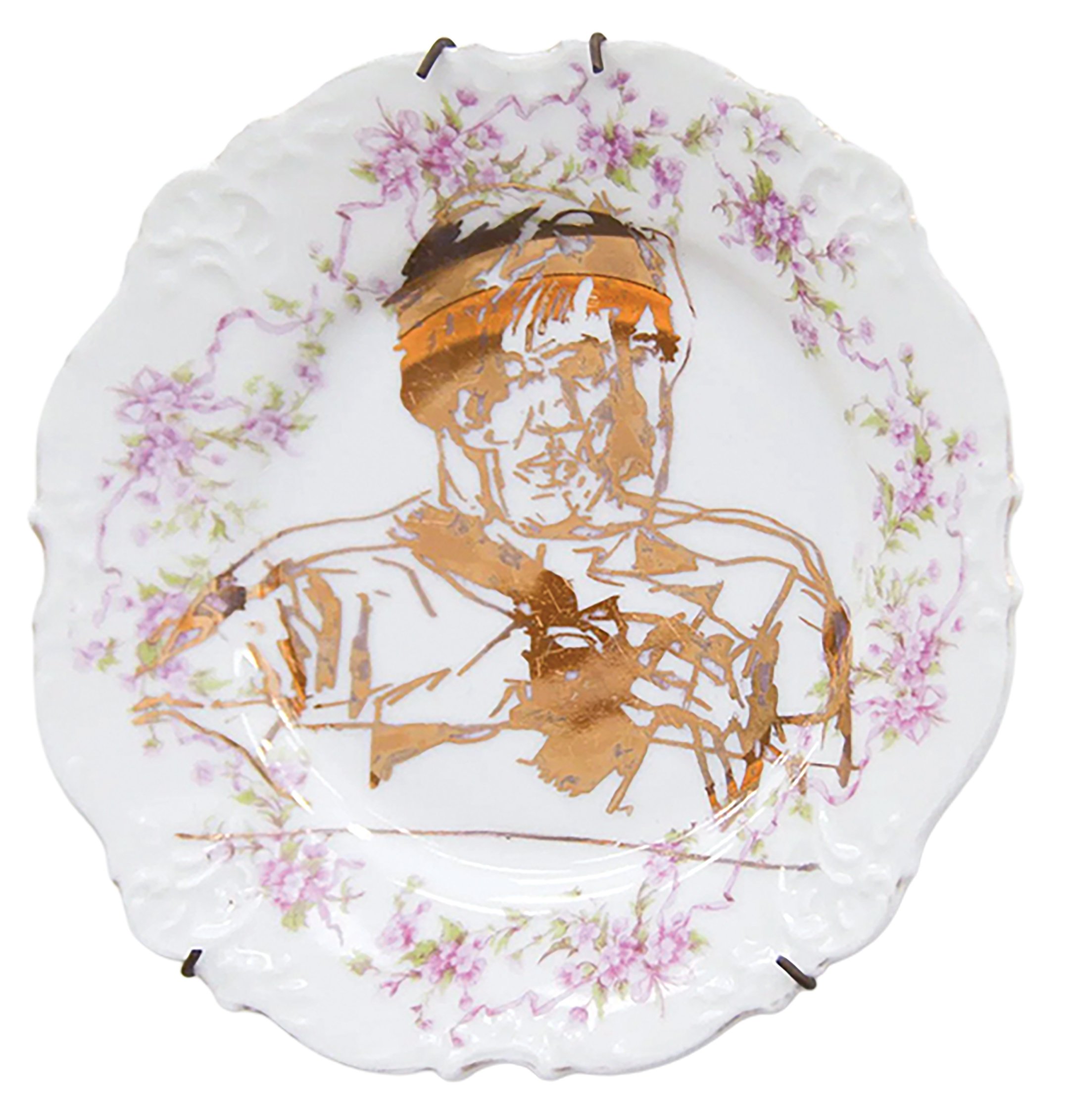
Losing my friend, gold lustre over-glazed on ceramic.
Water Tank, ceramics and fabric flowers suspended in a water tank of wood and plaster
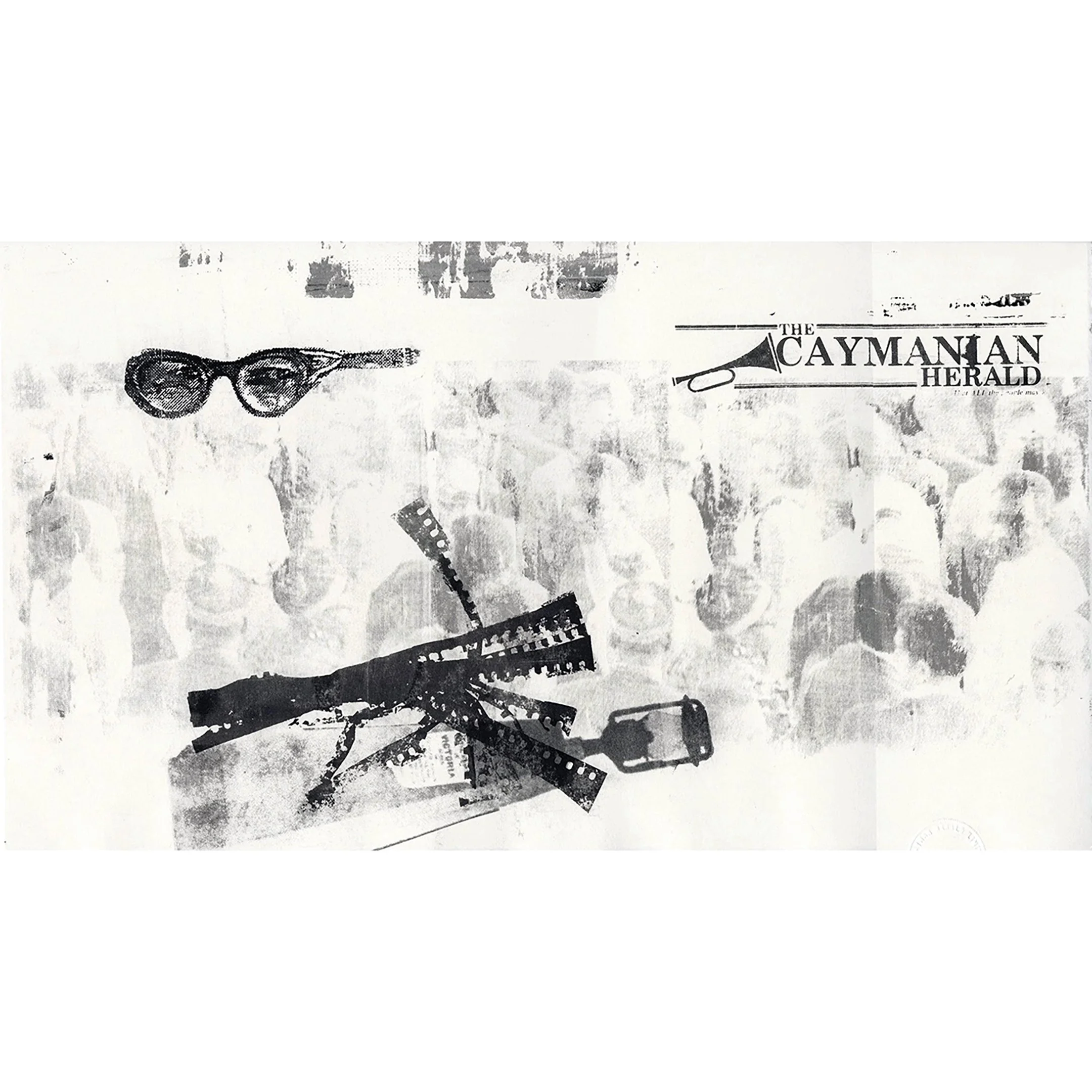
Select works from the Colonial Debris Series, inkjet prints on paper.
The Musicians, digital collage printed as an inkjet print on paper.
Images courtesy of the artist, Simon Tatum.
Born in 1995, Tatum grew up in Bodden Town, in the quiet, rural stretch of farmland and residential lanes of Lower Valley where he recalls a peaceful childhood ruled by curiosity and imagination.
Though not from a family of artists, Tatum was surrounded by creative practices. He recalls an aunt who was a seamstress, another who baked and decorated cakes, one who danced and painted, an uncle who made furniture, a cousin who was a musician and another who did photography. Both his mother and grandmother were always writing. “Seeing how passionate they were about their crafts made me feel that creativity could be a way of life,” he says.
When he wasn’t at school or outside, Tatum filled his days with stories, nurturing a love of visual storytelling through television and cinema. With TV hard to come by, he relied on the films and tapes his father brought back from overseas. His earliest acts of creation entailed pressing paper to the small television screen and tracing a still frame, a quiet act of observation that would later evolve into his layered, iterative artistic practice.
When Hurricane Ivan hit Grand Cayman in 2004, it upended his family’s life, forcing them to relocate to Florida. “Ivan was a disruptive force for my generation,” Tatum recalls. “It changed the trajectory of my life.” His father remained in Cayman to work; his mother took the children abroad. It was, he now realises, his first lesson in movement and adaptation, and an experience that would later underpin his reflections on migration, belonging and the Caribbean diaspora’s history of resilience and renewal.
Six years later, after his father’s passing, Tatum returned to Cayman to finish secondary school. At Triple C, visits to the National Gallery exposed Tatum to some of Cayman’s most pertinent and established artistic voices. Interacting with art by Wray Banker, Nasaria Suckoo-Chollette and Bendel Hydes, Tatum recalls feeling awestruck. “It was my first time in a building that was designed and built specifically to hold visual art.” That night Bendel Hydes offered him advice that guides Tatum’s creative endeavours to this day: “whatever form of art you do, you should champion your own voice through it.”
Tatum’s voice – quiet, deliberate, distinctly Caymanian – would deepen during his studies abroad. At the University of Missouri and later at Kent State University, where he completed a Master’s in Sculpture and Expanded Media, Tatum began developing the philosophy that now defines his work: a process of undoing and remaking, disassembling and reassembling. He describes his practice as ‘a dialogue between history and instinct,’ part research, part reconstruction.
“There are moments of making where I feel my instincts kick in,” Tatum says, “where I’m piecing together fragments, whether inherited or made by my own hands – that’s when I feel most myself.”
Those fragments can often be traced back to his grandmother’s collections – boxes of historical documents, ceramics from around the world, photographs and trinkets – what he calls ‘my first archive.’ Mary Lawrence’s impulse to collect, preserve and pay attention laid the foundation for his own artistic sensibility. “I realised I was doing what she had always done, finding objects and retelling their stories in a new light.”
Today, that practice of reassembly manifests across mediums: drawing, collage, sculpture, print, video – the list goes on. His works exist in the glorious grey area between question and answer, between realism and abstraction, between love and critique. Often examining Cayman’s ‘plastic paradise’ image, Tatum exposes how this tourism facade risks flattening the complexities of an entire island nation.
Through installation and collage he invites viewers to look beyond surface beauty and question what has been made visible and what has been erased. “I think there’s always an equation in my work,” he explains, “balancing love for the region with critique of how it’s represented.”
This tension informed his MFA thesis, The Romantic Caribbean, where lush, colourful imagery and delicate ceramic sculptures appear at first glance as seductive, eye-catching celebrations of paradise. On closer inspection, they reveal more complex truths, fragments of history, labour and commodification, intertwined with beauty. The result is work that seduces and unsettles in equal measure. “Beauty is an invitation, it draws people in,” Tatum reflects. “Once they’re there you can ask harder questions.”
As his work evolves, Tatum’s gaze remains firmly fixed on Cayman, not as a postcard-perfect destination, but as a living, evolving homeland. “Cayman’s smallness is both a blessing and a challenge,” he muses. “It makes us aware of how quickly things can shift – socially, environmentally, culturally – and I think art has a role to play in recording and responding to those changes.”
For Tatum, contemporary art is not simply an aesthetic practice: it’s archival, pedagogical and protective. His installations function like wardens of memory, reassembling traces of what might otherwise be lost to time or commodification.
Each piece becomes a tangible way of interacting with histories and generations past, of rooting into the salt-soaked soil of his home and finding balance between what Cayman has been and what it might yet become.
This commitment to reflection and reinvention continues to guide his next chapter. In 2026, alongside plans for an artist residency in Tennessee, Tatum will exhibit in Birth Papers, a group show curated by Azi Jones which will premier in Puerto Rico, celebrating Caribbean creative practice as inherently communal, environmentally attuned and rooted in multiplicity.
Now based at Vanderbilt University, where he works and continues to expand his multidisciplinary approach, Tatum remains guided by the same curiosity that shaped his childhood: the impulse to look closely, to collect and to question. His practice, much like the island that shaped him, resists completion; it lives in process and transformation.
Tatum’s art is less about finding answers than about deepening attention, to the world, to memory, and to the fragile, shifting identity of his homeland. His great-grandfather once asked his grandmother, “Are you paying attention to the world?” And through every layered surface, every reassembled fragment, Simon Tatum quietly and insistently, is.
FOR MORE INFO ABOUT SIMON TATUM’S ARTWORK
EMAIL: simonjtatumstudio@gmail.com
CLICK: www.simonjtatum.com